2026 Best Wras Butterfly Valve Guide for Global Buyers?
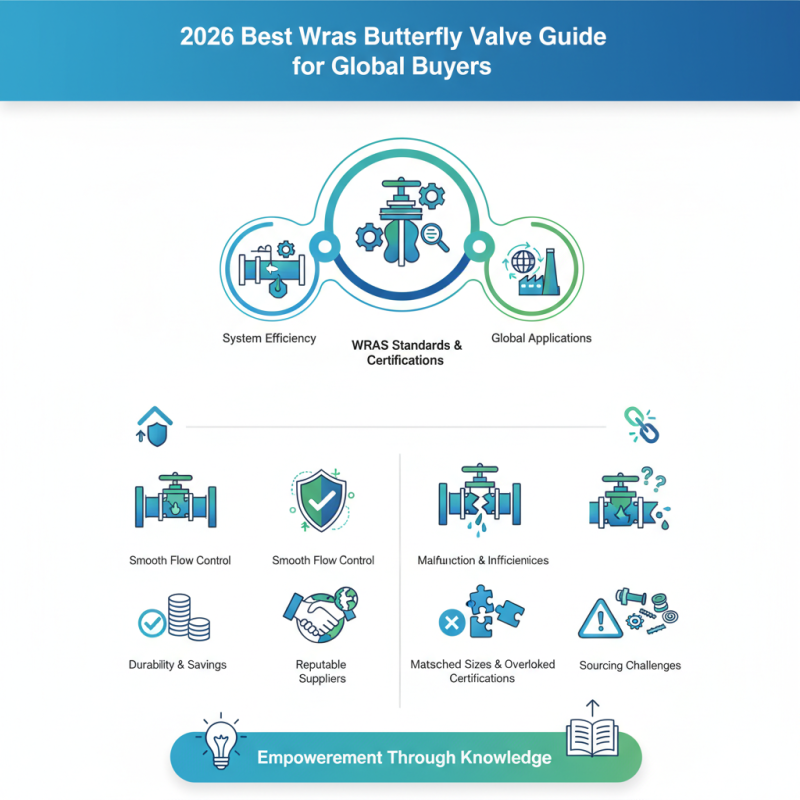
In the complex world of industrial water management, understanding the importance of the WRAS Butterfly Valve is crucial. Industry expert, John Smith, emphasizes, "Choosing the right WRAS Butterfly Valve can significantly impact system efficiency." This statement highlights the valve’s role in fluid regulation.
WRAS Butterfly Valves serve various applications globally. Their design allows for smooth flow control and durability. However, not all valves meet stringent WRAS standards. It is essential for buyers to navigate the complexities of certifications and specifications while making their choices.
Potential pitfalls exist in selecting the wrong valve. Mismatched sizes, or overlooked certifications, can lead to malfunction and inefficiencies. Investigating reputable suppliers is vital. Buyers often face challenges in sourcing high-quality WRAS Butterfly Valves. Empowering oneself with knowledge can help mitigate these risks.
Understanding the Basics of Wras Butterfly Valves
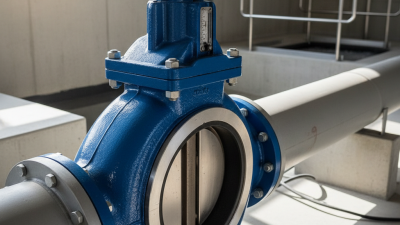
Understanding WRAS butterfly valves is crucial for global buyers in 2026. These valves are essential in various applications, including water supply and wastewater management. They control the flow of fluids efficiently. A WRAS-approved butterfly valve ensures compliance with safety and health standards in the UK.
Construction materials are key in butterfly valves. Common materials include stainless steel, PVC, and rubber. Each material has distinct characteristics. For example, stainless steel offers durability, while PVC is lightweight and cost-effective. Buyers must assess their specific needs to make informed choices. There are trade-offs with each option, and buyers should reflect on the long-term implications of their selections.
Installation and maintenance are also vital considerations. Proper installation can prevent leaks and extend valve life. Routine inspections help identify wear and tear. Although the process seems straightforward, complications can arise during installation. Understanding these potential issues is important for successful valve operation.
Key Features of High-Quality Wras Butterfly Valves for Buyers
When choosing high-quality WRAS butterfly valves, several key features should be evaluated. These valves are essential in managing flow in various applications. According to industry reports, proper material selection is crucial. Opt for valves made with corrosion-resistant materials to ensure longevity. Common materials include stainless steel and ductile iron. In aggressive environments, coatings can enhance durability.
Another important aspect is the design of the valve disc. A well-designed disc allows for smoother flow and reduces pressure loss. Reports indicate that achieving a pressure drop as low as 0.5 bar is possible with superior designs. Additionally, a reliable seal is vital. Buyers should look for butterfly valves that provide tight shut-off capabilities. A high-quality valve can minimize leaks effectively.
Installation and maintenance ease should not be overlooked. Manufacturers recommend valves that are easy to install. This can save time and reduce labor costs. Furthermore, regular maintenance is essential to ensure the valve operates efficiently. Some valves might require more frequent checks, leading to increased costs. Overall, a careful evaluation of these features ensures better performance and longevity in the field.
Comparative Analysis of Leading Wras Butterfly Valve Brands
When selecting WRAS butterfly valves, understanding the differences among brands can be crucial. Many global manufacturers offer varying specifications, performance levels, and price points. These elements directly impact project costs and durability. A thorough analysis of each brand's materials and design can help you make an informed decision.
Tip: Always check the certifications and standards that each valve meets. This ensures compliance and reliability in your applications. A valve that seems cheaper upfront might not be cost-effective over time if it fails prematurely.
Comparing features such as flow rates, pressure limits, and ease of installation is also essential. Some brands may excel in one area but fall short in another. User reviews can offer real-world insights. However, remember that individual experiences might not be universally applicable.
Tip: Gather multiple user opinions before finalizing your choice. This practice can help you avoid potential pitfalls. Pay attention to warranty details too, as it reflects the manufacturer’s confidence in their product.
2026 Best Wras Butterfly Valve Guide for Global Buyers
| Brand |
Material |
Size Range (inches) |
Pressure Rating (psi) |
Temperature Range (°F) |
Warranty (Years) |
| Brand A |
Ductile Iron |
2-12 |
150 |
-20 to 200 |
5 |
| Brand B |
Stainless Steel |
3-16 |
300 |
-40 to 250 |
3 |
| Brand C |
Cast Iron |
1.5-10 |
200 |
-10 to 180 |
4 |
| Brand D |
Aluminum |
2-8 |
150 |
-20 to 200 |
5 |
| Brand E |
PVC |
2-6 |
100 |
32 to 140 |
2 |
Installation and Maintenance Guidelines for Wras Butterfly Valves
When installing WRAS butterfly valves, attention to detail is essential. Begin by ensuring the installation area is clean and free of debris. The valve must align perfectly with pipes. Misalignment can lead to leaks and operational failures. Tightening bolts should follow a cross pattern for even pressure distribution. Over-tightening can damage the valve, so careful handling is crucial.
After installation, routine maintenance is necessary. Regular inspections can identify wear or damage early. Check for any signs of corrosion or buildup on the valve surface. Lubricating the valve regularly enhances its performance. Consider the environment where the valve operates. Extreme temperatures or contaminants can impact its lifespan.
Recordkeeping of maintenance activities is advisable. It creates an accountability system for valve management. Neglecting maintenance tasks could result in costly repairs down the line. Always involve qualified personnel for major overhauls. Sometimes, even the best valves may struggle if not properly managed. Looking back, one might reflect on how small oversights can lead to larger problems.