2026 Top EN593 Butterfly Valve Buying Guide and Tips?
In the world of industrial valves, the EN593 Butterfly Valve stands out due to its reliability and efficiency. This valve type is crucial in various sectors, including water treatment, gas, and chemical industries. Industry reports indicate that the market for butterfly valves is expected to grow significantly, driven by infrastructure developments and demand for high-efficiency solutions.
Selecting the right EN593 Butterfly Valve is essential for ensuring optimal performance. Many buyers struggle with the vast array of options available. Decisions should be based on specific requirements such as pressure ratings, materials, and actuator types. A reliable valve can save costs in the long run, particularly in maintenance and downtime.
However, many purchasers overlook these essential factors. They may focus on the price rather than the overall value. This common misstep can lead to suboptimal choices, causing operational inefficiencies. Therefore, understanding the key aspects of the EN593 Butterfly Valve can empower buyers to make informed decisions.
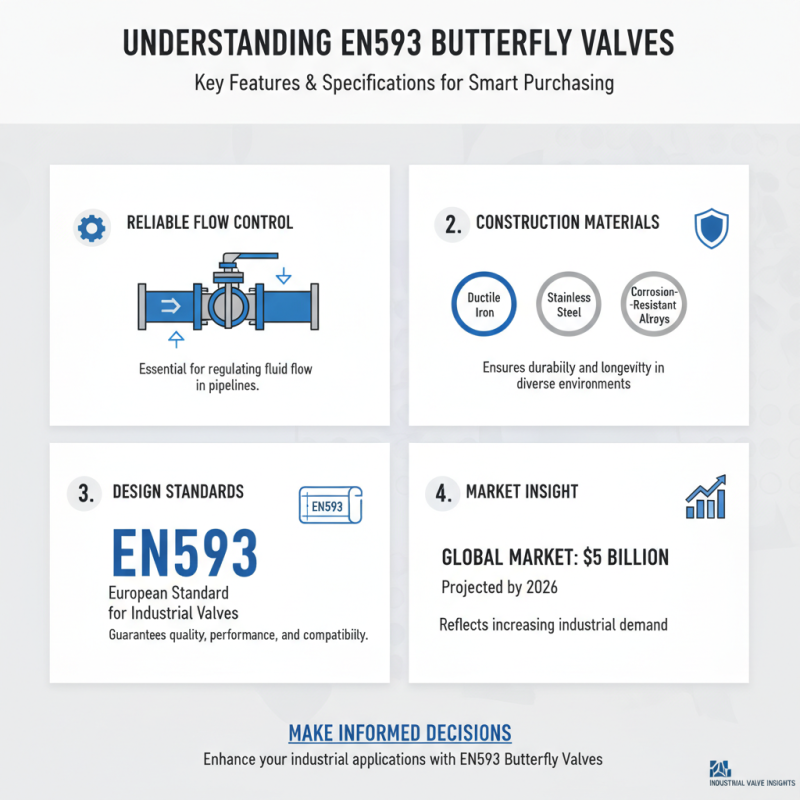
Understanding EN593 Butterfly Valves: Key Features and Specifications
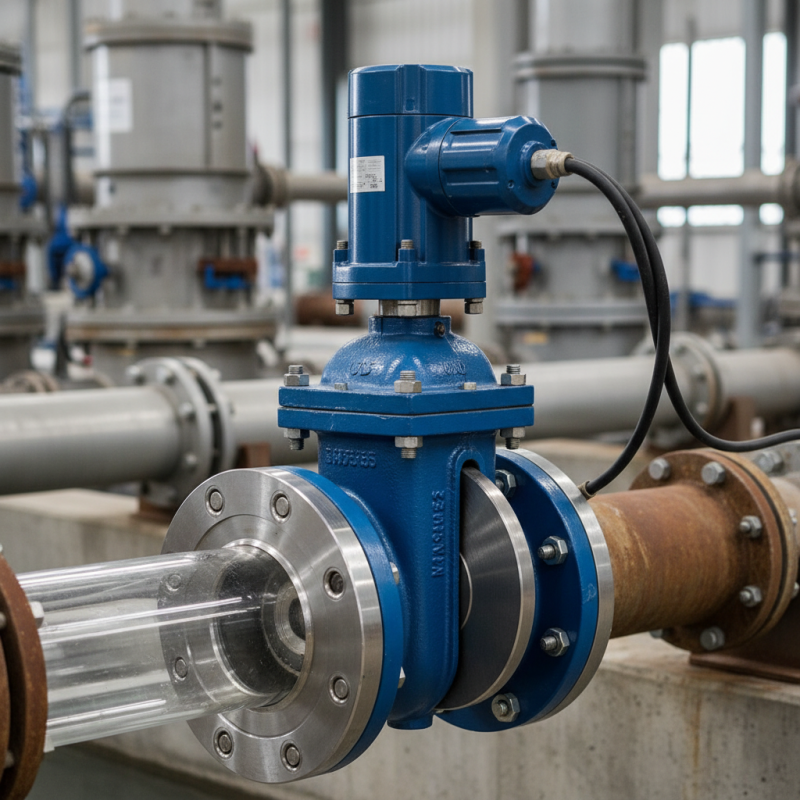
EN593 butterfly valves are essential components in various industrial applications. Understanding their key features and specifications can enhance your purchasing decisions. These valves are designed to provide reliable flow control in pipelines. They are typically constructed from ductile iron, stainless steel, or other corrosion-resistant materials, ensuring durability and longevity. According to industry reports, the global market for butterfly valves is projected to reach approximately $5 billion by 2026, reflecting their increasing demand.
A significant specification to consider is the valve size. EN593 valves come in a range of sizes, typically from 2 inches to 48 inches. The choice of size affects the flow rate and pressure drop. Operating temperature and pressure ratings are also crucial factors. Many EN593 valves can handle temperatures from -10°C to 80°C and pressures up to 16 bar. Ensuring compatibility with your system’s requirements is paramount. Installation issues can arise if the specifications aren't aligned properly.
The design of the butterfly valve influences its performance. For example, the disc design can affect valve sealing and flow characteristics. Some valves may have a tight shut-off while others prioritize low-pressure drop. This nuance warrants careful evaluation before purchase. A poorly matched valve can lead to inefficiencies, impacting overall system reliability. It’s important to weigh these factors against cost to make informed decisions.
Types of EN593 Butterfly Valves: A Comprehensive Overview
When exploring EN593 butterfly valves, it’s crucial to understand the various types available in the market. These valves are essential for controlling fluid flow in diverse applications. According to a recent industry report, the demand for butterfly valves has increased significantly, with a projected growth rate of 5.3% annually.
The common types of EN593 butterfly valves include resilient seated, metal seated, and high-performance variants. Resilient seated valves are popular for their cost-effectiveness. However, they may not withstand high-temperature applications effectively.
On the other hand, metal-seated valves offer durability but at a higher price point. High-performance butterfly valves are designed for demanding environments, providing optimal sealing capabilities. This variety necessitates careful selection based on application requirements, as an inappropriate choice can lead to operational inefficiencies.
While the variety of choices offers flexibility, it can also create confusion for buyers. Understanding the specifications and features of each valve type is paramount. Misjudgments can result in significant downtime and increased costs. An in-depth assessment of the application, fluid types, and environmental conditions will guide better purchasing decisions, ensuring more reliable operation.
Factors to Consider When Buying EN593 Butterfly Valves
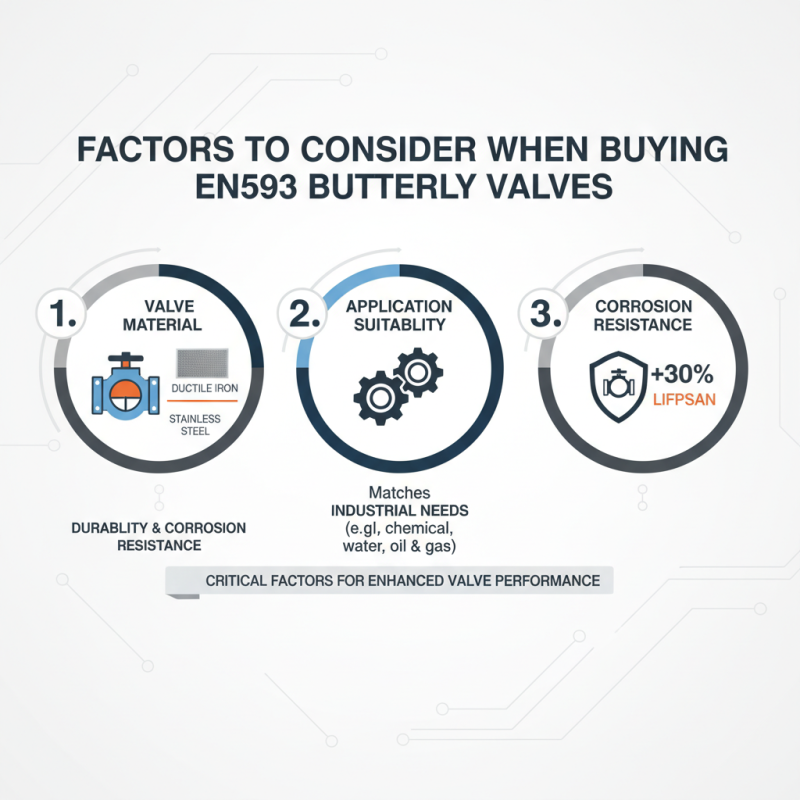
When considering the purchase of EN593 butterfly valves, several critical factors must be taken into account. The material of the valve must be fit for the specific application, as it directly influences durability and resistance to corrosion. Common materials include ductile iron and stainless steel, each serving different industrial needs. According to a recent market report, corrosion resistance can enhance the lifespan of valves by 30%, making it a vital factor.
Another essential consideration is the valve size. It should match the pipe diameter and fit within the system’s pressure rating. A poorly sized valve can lead to inefficiencies in flow and unnecessary wear. Research indicates that improper sizing is responsible for 15% of valve-related failures in industrial settings. Additionally, it’s critical to evaluate the type of actuator. Electric actuators offer fast response times. However, pneumatic options might be more suitable for certain installations.
Installation and maintenance ease should not be overlooked. Valves that are difficult to install can lead to added labor costs and time delays. Ongoing maintenance is equally important. Regular checks and parts replacement can prevent outages. According to industry studies, scheduled maintenance can reduce downtime by 25%. These factors collectively influence the overall effectiveness and reliability of EN593 butterfly valves, helping to ensure smooth operations in a variety of applications.
Maintenance and Care Tips for EN593 Butterfly Valves
Maintaining EN593 butterfly valves is crucial for their longevity and effectiveness. Regular care ensures they function correctly under varying pressure conditions. Start with a visual inspection. Look for signs of wear, corrosion, or leakage. This step is vital to catch issues early before they escalate.
Another important tip is to keep the valve clean. Dust and debris can cause malfunction. Regularly wipe down the exterior and check the internals, especially in dirty environments. Sometimes, accessing the inner components may reveal problems that are not visible from the outside. Do not overlook any strange noises during operation; it may signal underlying issues.
Ensure that you periodically lubricate the moving parts. This simple step can prevent rust and wear. However, do not over-lubricate. Excess lubricant can attract dirt, leading to additional problems. Remember, neglecting minor issues can lead to significant repairs. Stay proactive in your maintenance routine to ensure the valve remains reliable.
Common Brands and Manufacturers of EN593 Butterfly Valves
When purchasing EN593 butterfly valves, it’s crucial to consider reliability and performance. Numerous manufacturers offer a range of products catering to various needs. Some brands are known for their quality materials and durability, while others focus on affordability. It’s important to assess these options based on application requirements.
Pay attention to the materials used in constructing the valve. Stainless steel and ductile iron are popular choices for their strength. Evaluate the valve's operating pressure and temperature limits. Some brands may not provide adequate performance under extreme conditions.
Tips for selecting a butterfly valve include checking certification and standards compliance. Ensure the product meets industry regulations, such as ANSI or API. User reviews can offer insights into performance and reliability. Don't just rely on technical specifications; consider the experiences of others. It’s wise to consult with industry experts when uncertain. Their guidance can help in making an informed decision, reducing potential risks associated with poor choices.