2026 Top Ggg50 Butterfly Valve Features and Applications Explained
The Ggg50 Butterfly Valve stands out in the industry for its innovative design and versatility. According to a recent industry report, the global butterfly valve market is projected to reach $12 billion by 2026, driven by increased demand across various sectors. The Ggg50 model plays a crucial role in sectors like water treatment, oil and gas, and chemical processing.
These valves are known for their reliable performance and ease of installation. However, users must consider specific operational conditions for optimal performance. The Ggg50 Butterfly Valve is particularly praised for its flow control capabilities, allowing precise adjustments. Nonetheless, challenges exist. Some users report issues with sealing performance over time, highlighting the need for regular maintenance and inspections.
Overall, the Ggg50 Butterfly Valve represents a significant advancement in valve technology. While it offers superior advantages, continuous improvement and feedback from users are essential. This ensures the product evolves to meet ever-changing industrial needs and standards.
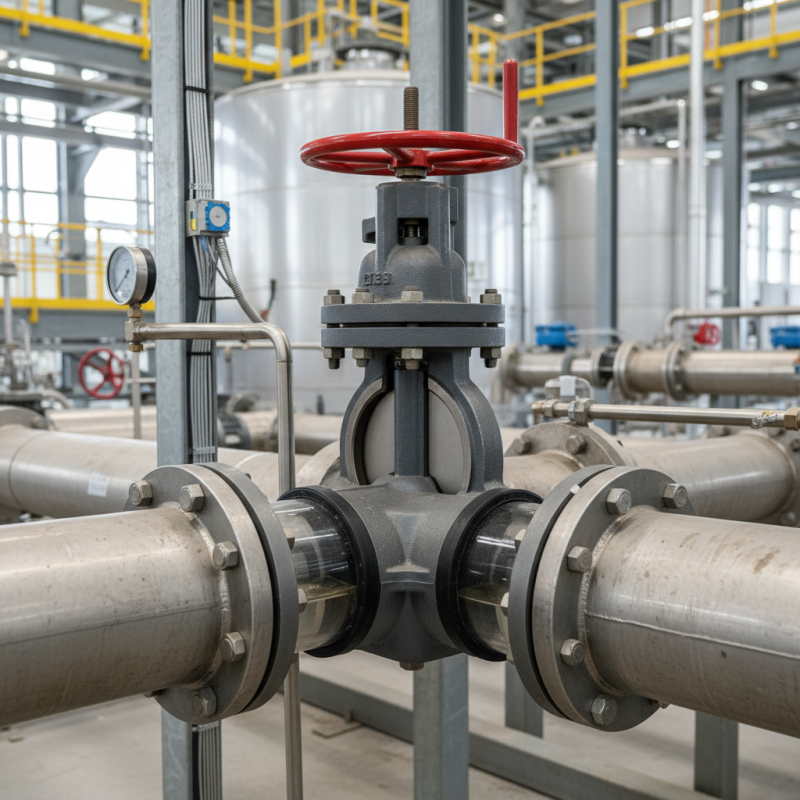
Key Design Features of the 2026 Top GGG50 Butterfly Valve
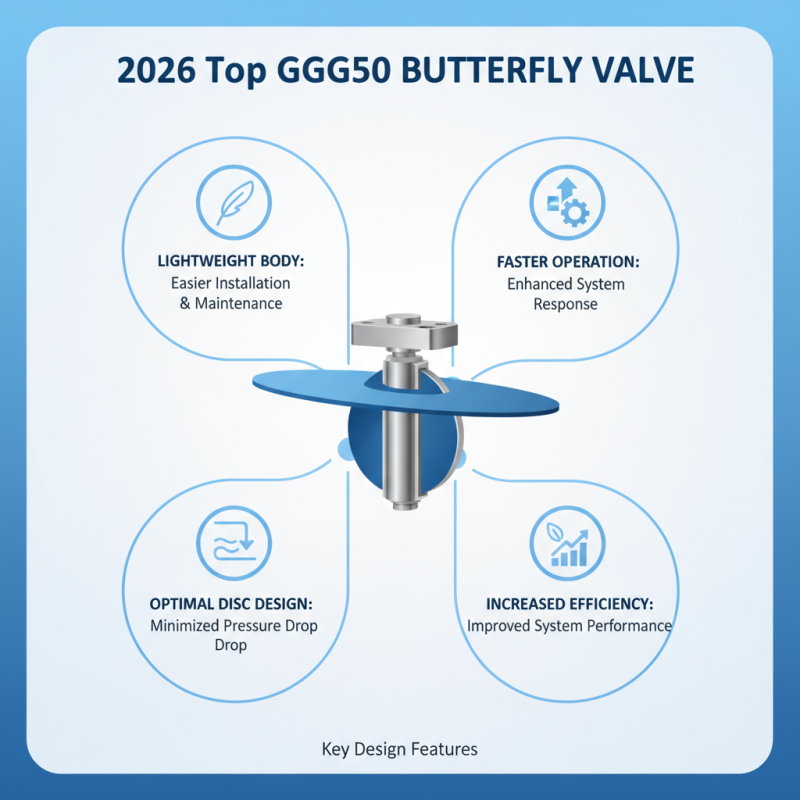
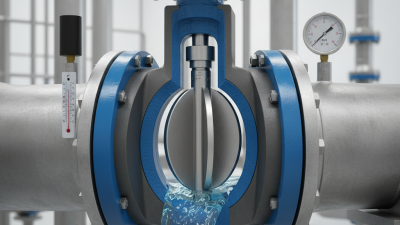
The 2026 Top GGG50 butterfly valve presents a unique blend of design features. Weighing less than traditional valve models, it ensures ease of installation and maintenance. The lightweight body facilitates faster operations, especially in complex systems. The disc design is engineered for optimal flow characteristics, minimizing pressure drops. This is crucial for enhancing overall system efficiency.
Another key aspect is the sealing technology. Advanced materials provide enhanced resistance to wear and leakage. This significantly reduces the frequency of replacements and repairs. The valve is also designed for high-temperature applications, expanding its usability across various sectors. However, some users report challenges during the installation process. Proper alignment is essential but can take extra time and effort.
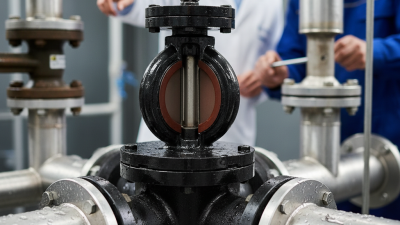
Moreover, the valve's compact size allows for installation in tight spaces, making it versatile. Despite these advantages, there can be concerns about compatibility with specific system components. Users need to ensure compatibility for optimal performance. Appropriate guidance and careful planning are necessary for effective implementation.
Applications of GGG50 Butterfly Valves in Various Industries
GGG50 butterfly valves are renowned for their versatility across various industries. They function efficiently in water supply systems, manufacturing plants, and even in chemical processing. The durable material withstands harsh conditions. This durability often leads to reduced maintenance costs. In water treatment, for instance, these valves help regulate flow effectively. Their design allows for easy operation, making them ideal for frequent use.
In the oil and gas sector, GGG50 butterfly valves play a crucial role. They help manage fluid flow with precision. Corrosion resistance ensures a long lifespan even in challenging environments. This reliability becomes vital for safe operations. However, some industries may overlook the importance of regular inspections. Neglecting maintenance can lead to unexpected failures, which is a concern worth addressing.
Furthermore, GGG50 butterfly valves find applications in HVAC systems. They control air and fluid flow efficiently. These valves contribute to energy savings, making them essential for sustainability efforts. But some systems may still use outdated models, missing out on technological advancements. As industries evolve, updating infrastructure becomes imperative. Exploring the right choice can enhance performance and efficiency. Proper evaluation of needs will yield better results.
2026 Top GGG50 Butterfly Valve Features and Applications Explained
| Feature |
Description |
Application Industry |
| Material |
GGG50 ductile iron provides excellent strength and corrosion resistance. |
Water and Wastewater Treatment |
| Design |
Compact and lightweight design enhances installation flexibility. |
Chemical Processing |
| Sealing Performance |
High-performance seal reduces leakage and enhances reliability. |
Oil and Gas Industry |
| Operating Pressure |
Designed for high-pressure applications up to 16 bar. |
Power Generation |
| Temperature Range |
Operable in temperature ranges from -10°C to 80°C. |
HVAC Systems |
| Actuation Option |
Available in manual, electric, or pneumatic actuation options. |
Food and Beverage Processing |
Performance Specifications of 2026 GGG50 Butterfly Valves
The 2026 GGG50 butterfly valves bring significant advancements in performance specifications. These valves are designed to handle various industrial applications, maintaining efficiency under high pressure and temperature. They typically operate effectively within a pressure range of 150-300 psi and can withstand temperatures up to 200°C.
Interestingly, research indicates that GGG50 materials enhance durability against corrosion and wear. This characteristic is crucial for sectors like oil and gas, where the media transported can be harsh. For instance, according to a recent market analysis report, GGG50 butterfly valves have a 30% longer lifespan compared to standard cast iron valves in similar environments.
However, it's important to recognize the challenges. Installation requires precision to optimize performance, and improper fittings can lead to leaks. Additionally, maintenance practices must adapt to the unique properties of GGG50 materials. Various studies suggest a need for regular inspections to prevent operational failures. These vigilant checks ensure the longevity of the valves and maintain system integrity.
Comparative Analysis: GGG50 vs. Other Butterfly Valve Materials
When comparing GGG50 to other butterfly valve materials, several factors come into play. GGG50 is a high-quality ductile iron, known for its strength and durability. This material stands out due to its excellent resistance to wear and corrosion. GGG50 can handle harsh environments, making it ideal for various applications. Other materials, such as cast iron or PVC, may not offer the same durability. They often require more frequent replacements.
However, not every situation calls for GGG50. Cost can be a concern. For less demanding applications, cheaper materials might suffice. They may provide a short-term solution, but they won't last long. Users must weigh their need for durability against their budget. Sometimes, going for a lower-cost alternative seems appealing, especially in tight budgets. But one must consider the long-term implications.
Another factor to consider is ease of installation. Some materials are lighter and easier to work with. GGG50 is heavier, which can complicate installation in certain settings. While its benefits are clear, the challenges cannot be overlooked. Understanding the specific requirements of your application is critical. The choice of material should align with both performance needs and practical considerations.
Future Trends in Butterfly Valve Technology and GGG50 Innovations
The future of butterfly valve technology is leaning towards GGG50 innovations. GGG50, a type of ductile iron, is known for its strength and durability. In recent years, the industry has seen a rise in demand for valves that can withstand harsh environments. According to a recent market report, the global butterfly valve market is expected to grow by 5% annually until 2030. This growth reflects a shift towards more resilient materials like GGG50.
Innovations include improved sealing mechanisms and enhanced flow characteristics. These advancements help reduce energy consumption. Manufacturers are focusing on eco-friendly designs. However, challenges remain in balancing cost and performance. The integration of smart technologies is also changing the game. Real-time monitoring features could improve maintenance and operational efficiency.
While the benefits are evident, issues such as production consistency need attention. Variability in manufacturing processes could lead to performance discrepancies. Companies must invest in quality assurance. Overall, the push towards GGG50 materials and smart features signals a positive trend in butterfly valve technology. The industry must adapt to these changes while addressing inherent challenges.