Top 10 Benefits of Desalination Butterfly Valves in Water Systems?
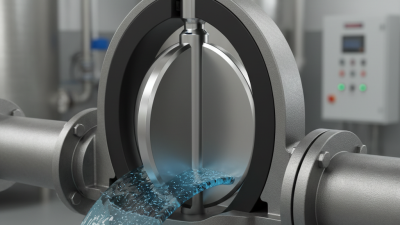
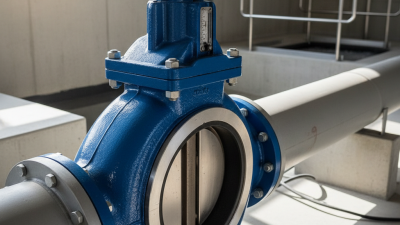
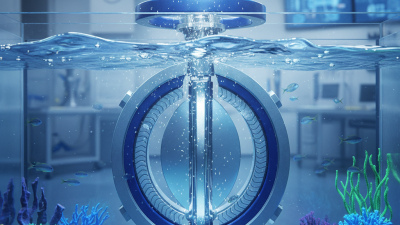
In today's world, the demand for fresh water is increasing rapidly. Desalination is a key solution to meet this demand. One important component in desalination systems is the Desalination Butterfly Valve, which plays a vital role in managing water flow. These valves ensure the effective operation of desalination plants by controlling water pressure and preventing backflow.
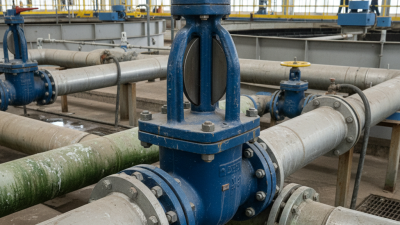
The design of the Desalination Butterfly Valve enhances reliability and efficiency. Made from corrosion-resistant materials, these valves withstand harsh environments. However, not all systems might achieve optimal performance. Regular maintenance and inspections are crucial to ensure longevity.
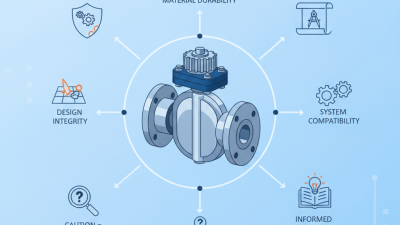
Adopting Desalination Butterfly Valves can lead to significant advantages for water systems. They contribute to better water quality and higher operational efficiency. Yet, acknowledging the potential challenges in implementation is essential for success. Proper planning and expertise are needed to maximize their effectiveness.
Top Benefits of Desalination Butterfly Valves in Enhancing Flow Control
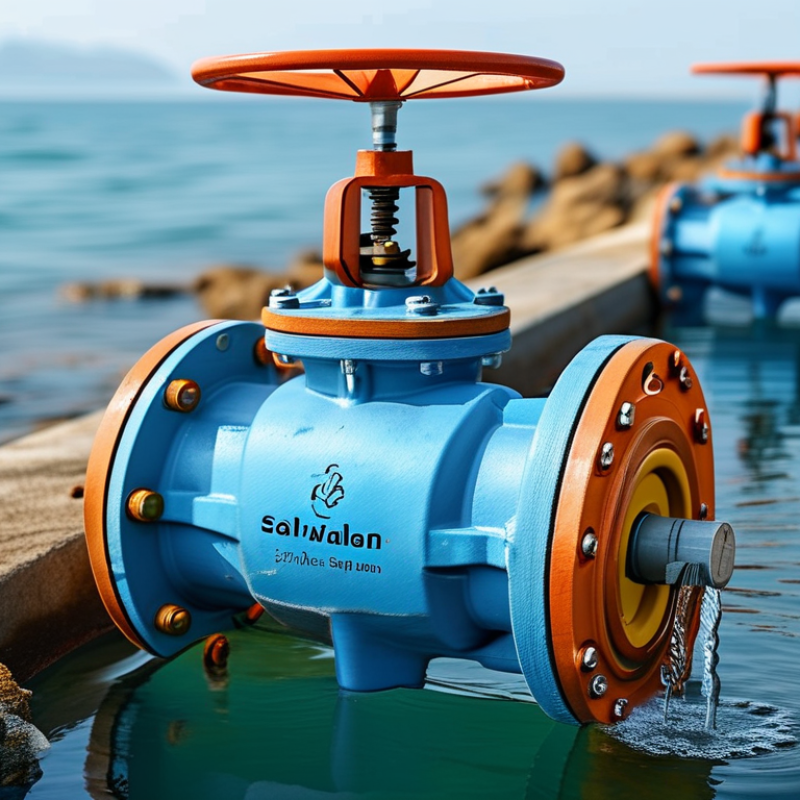
Desalination butterfly valves play a vital role in enhancing flow control in water systems. These valves are designed to regulate the flow of seawater during the desalination process. Their unique construction allows for quick opening and closing, which is essential for maintaining efficiency. A well-functioning valve can prevent critical issues, such as pressure surges, that can disrupt operations.
The use of butterfly valves also aids in reducing energy consumption. By optimizing flow rates, these valves ensure that the desalination plants operate more efficiently. However, even the best systems face challenges. Regular maintenance is crucial to prevent wear and tear over time. Neglecting this aspect can lead to bigger problems down the line, hindering optimal performance.
Moreover, these valves contribute to the longevity of water systems. When used correctly, they minimize leaks and other deficiencies. Yet, it’s worth noting that not all installations are perfect. Some may encounter installation errors that compromise performance. A focus on proper training and guidelines can improve outcomes. Thus, careful consideration of these factors can lead to better flow control in desalination processes.
Top 10 Benefits of Desalination Butterfly Valves in Water Systems
| Benefit |
Description |
Impact |
| Improved Flow Control |
Enables precise control over water flow in desalination plants. |
Optimizes system efficiency and energy consumption. |
| Durability |
Made from materials resistant to corrosion and wear. |
Increases lifespan of the valve and reduces maintenance costs. |
| Low Pressure Drop |
Minimizes pressure loss across the valve. |
Enhances overall system performance and energy efficiency. |
| Easy Operation |
Simple design allows for quick adjustment and operation. |
Reduces operator training time and improves usability. |
| Compact Design |
Takes up less space in water treatment facilities. |
Allows for efficient layout and space optimization. |
| Cost-Effectiveness |
Competitive pricing compared to other valve types. |
Reduces overall project costs for desalination systems. |
| Simplicity in Installation |
Designed for straightforward installation processes. |
Decreases installation time and labor costs. |
| Versatility |
Can be used in various applications beyond desalination. |
Flexible solution for different water treatment needs. |
| Enhanced Safety |
Mitigates risks associated with water flow management. |
Improves operator safety and equipment reliability. |
| Leak Prevention |
Equipped with sealing features to minimize leaks. |
Protects environment and reduces water loss. |
Optimizing Energy Efficiency: The Role of Butterfly Valves in Desalination
Desalination plants play a crucial role in providing fresh water to arid regions. Butterfly valves are integral components in these systems, enhancing energy efficiency significantly. Their lightweight design allows for quick opening and closing, which minimizes energy consumption during operation. This efficiency is essential when managing the high energy demands of desalination processes.
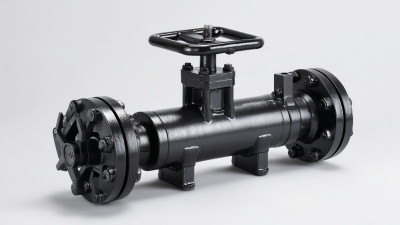
A key feature of butterfly valves is their ability to maintain flow control with minimal resistance. This reduces pump energy, leading to lower operational costs. However, their performance can vary based on materials and design. Ensuring the correct specification is vital. If not, inefficiencies may arise, potentially increasing energy use and maintenance requirements.
Additionally, the energy-saving benefits of butterfly valves depend on their installation and regular maintenance. Without proper care, even the best valves can corrode or wear out, leading to leaks. Regular inspections can prevent these issues, ensuring optimal performance. Recognizing these factors can help in making informed decisions about their use in desalination systems.
Improving Reliability and Durability of Water Systems with Butterfly Valves
Desalination butterfly valves play a crucial role in improving the reliability and durability of water systems. These valves regulate the flow of seawater, which is treated and converted into drinking water. According to the International Desalination Association, the global desalination capacity reached 97.4 million cubic meters per day in 2022, emphasizing the rising need for dependable infrastructure.
Engineered for efficiency, butterfly valves facilitate quick open and close operations. Their lightweight design helps reduce wear and tear, extending service life. A study by the American Water Works Association noted that efficient valve operation can reduce energy consumption by up to 30%. This highlights their potential to support sustainable water management practices.
However, not all butterfly valves are created equal. Some installations encounter sealing issues, which can lead to leaks and increased maintenance costs. Regular inspections remain critical to identify these flaws early. By focusing on procurement from trusted manufacturers and ensuring proper installation, facilities can enhance the long-term performance of their water systems.
Top 10 Benefits of Desalination Butterfly Valves in Water Systems
Cost-Effectiveness of Desalination Butterfly Valves in Water Infrastructure
Desalination butterfly valves play a crucial role in modern water systems. They are essential in controlling the flow of seawater and treated water, providing efficiency and reliability. Their design allows for minimal resistance, which can significantly reduce energy consumption. This cost-effectiveness benefits water infrastructure, especially in areas where fresh water is scarce.
Maintenance is often a challenge in infrastructure. Regular inspections of these valves are vital to ensure they operate correctly. Neglected valves can lead to leaks or inefficient flow, causing unnecessary costs. Consider using predictive maintenance technologies to avoid unscheduled downtimes. This approach keeps costs manageable and systems reliable.
Investing in quality butterfly valves can reduce overall expenses. Cheaper options may seem attractive but can lead to frequent replacements. Acquiring durable, high-quality valves may demand a higher upfront cost. However, the long-term savings can far outweigh these initial investments. Always engage local experts for advice on valve selection and installation to enhance operational reliability.
Environmental Impact Reduction Through Advanced Valve Technology in Desalination
Desalination butterfly valves play a crucial role in water systems. These valves manage and control the flow of seawater during the desalination process. This is essential to ensure efficiency and minimize waste. Advanced valve technology not only enhances operation but also reduces environmental impact. Using reliable valves can lead to better energy consumption, which is vital for sustainable practices.
Innovative designs in butterfly valves help in minimizing leaks. Improved sealing mechanisms contribute to better water conservation. Reduced leakage means less seawater enters marine ecosystems. This prevents potential damage to local habitats. While advancements are commendable, challenges remain in ensuring every valve operates perfectly. Some designs may face wear and tear in harsh conditions, which calls for regular maintenance.
The importance of these valves cannot be overstated. They are a key part of a larger system aimed at providing fresh water. However, the journey to achieve this must focus on sustainability and environmental responsibility. The goal is to create a balance between technology and nature. Continuous innovation paired with careful planning is necessary. This is not just about building better valves; it’s about protecting our planet.