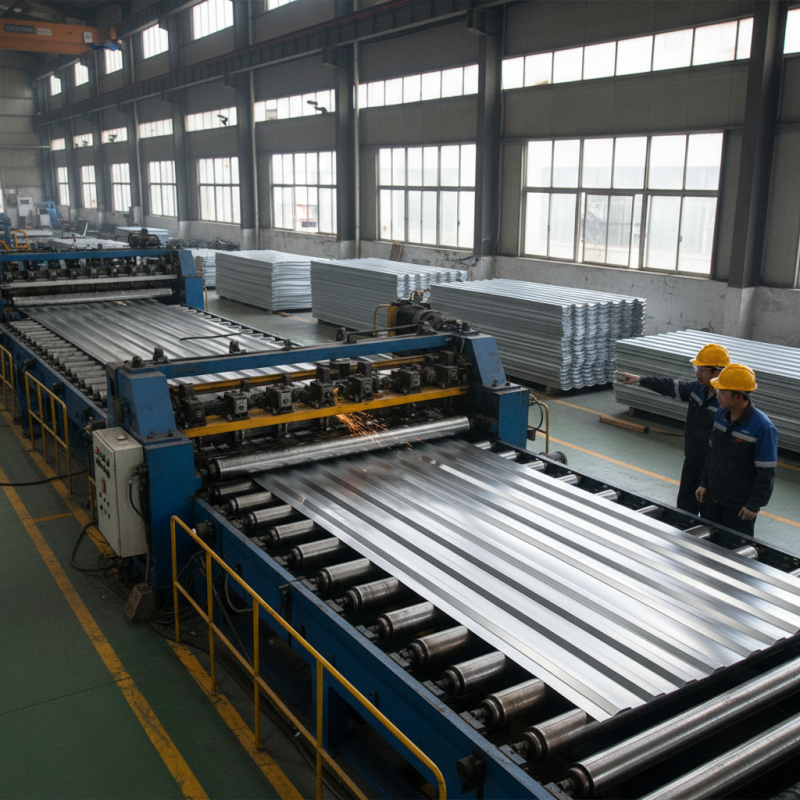
Best Corrugated Iron Roofing Sheet Making Machine Explained?
The corrugated iron roofing sheet making machine is essential for modern building projects. This machine streamlines the production process, allowing manufacturers to create durable and lightweight roofing materials. It plays a crucial role in the construction industry.
The significance of this machine goes beyond mere efficiency. Some manufacturers struggle to find the right machine that fits their needs. Whenever production line disruptions occur, it can lead to costly delays. Many factors influence these decisions, including machine quality and production capacity.
Investing in a corrugated iron roofing sheet making machine requires careful consideration. The right choice can yield significant returns. However, choosing poorly might lead to operational challenges. In this competitive market, understanding your requirements is crucial. Exploring different designs and features will help in making an informed decision.
Overview of Corrugated Iron Roofing Sheets and Their Applications
Corrugated iron roofing sheets have gained popularity due to their durability and versatility. These sheets are made from steel and are designed with ridges or grooves. This design enhances strength while allowing for effective water drainage. Constructing homes, industrial buildings, and agricultural structures often uses these sheets. Their lightweight nature simplifies transportation and installation.
The applications of corrugated iron sheets extend beyond just roofing. They can serve as wall coverings, fencing, and even storage solutions. However, some users find difficulties with insulation. Without proper installation, they can lead to heat loss or gain, depending on the weather. In regions with extreme climates, this is a significant concern. It’s essential to consider this factor to ensure energy efficiency.
An additional aspect to reflect on is maintenance. Corrugated iron can corrode if not treated properly. In coastal areas, the salt can accelerate this process. Regular inspections and adequate protective coatings are necessary. This often gets overlooked, which can lead to costly repairs. Understanding these details is crucial for making informed decisions regarding the use of corrugated iron roofing sheets.
Key Features and Specifications of Roofing Sheet Making Machines
When considering roofing sheet making machines, key features and specifications play a crucial role. These machines typically offer high production efficiency, able to produce thousands of sheets daily. They come equipped with advanced control systems for better operation management. Look for models with durable materials and solid construction. This ensures longevity and minimal maintenance costs.
Production capacity is another important factor. Many machines can produce sheets ranging from 0.3mm to 1.2mm in thickness. The width of roofing sheets usually varies between 600mm to 1150mm. It’s essential to match the machine’s specifications with your needs. The right choice can significantly affect your output.
Tip: Regularly assess the machine's performance. Small issues can escalate quickly. Maintenance checks every few months can prevent costly repairs.
Also, consider automation features. Machines with automatic feeding and cutting systems improve productivity. Yet, if you're not experienced with automation, it can be overwhelming. Train your staff properly to utilize these features fully. Choosing a user-friendly interface can simplify operations, but remember that no machine is completely error-free. Each model may require some adjustment time.
The Manufacturing Process of Corrugated Iron Roofing Sheets
The manufacturing process of corrugated iron roofing sheets involves several crucial steps. First, raw materials are sourced, typically from steel sheets. These sheets are cleaned and prepared. The quality of these materials greatly impacts the final product.
Next, the sheets are fed into a forming machine. This machine uses rollers to create the specific corrugation pattern. The precision of this step is vital. Any misalignment can lead to wasted materials.
After shaping, the sheets undergo a coating process. This adds protection against rust and weather damage. The importance of this step cannot be overstated. It ensures durability and longevity. The sheets are then inspected for quality. Flaws must be identified and corrected. This stage can be challenging, as even minor defects can compromise the product. Ultimately, each of these steps is crucial in delivering a reliable roofing solution.
Factors to Consider When Choosing a Roofing Sheet Making Machine
Choosing the right roofing sheet making machine is crucial. Many factors come into play. One key aspect is production capacity. Machines can vary significantly in output. For instance, some may produce 12-15 tons per hour, while others only 2-3 tons. Check your business needs before deciding.
Durability is another important factor. The construction of these machines affects their longevity. A sturdy frame made of high-quality materials can ensure a longer lifespan. Regular maintenance is also vital. According to recent industry reports, neglecting maintenance can reduce efficiency by over 20%.
Technical features also matter. Consider the automation level. Fully automated machines can minimize labor costs. However, they might require a larger initial investment. Balancing upfront costs and long-term savings is essential. Don’t overlook the after-sales support offered by manufacturers. This can make a significant difference in the operational efficiency of your plant.
Monthly Production Capacity of Roofing Sheet Making Machines
This chart illustrates the monthly production capacity of different roofing sheet making machines. It showcases the potential output in sheets per month for each machine, helping you to compare their efficiencies when selecting the best option for your needs.
Maintenance and Operational Tips for Roofing Sheet Machines
Maintaining and operating a corrugated iron roofing sheet machine requires attention to detail. Regular maintenance keeps the machine running smoothly. It's crucial to check the components often. Inspect belts, gears, and blades for any wear or damage. A small issue can lead to bigger problems.
Be vigilant about lubrication. Proper lubrication reduces friction and wear on moving parts. Use the recommended oil and grease types. Avoid over-lubricating, as this can attract dust and debris. Remember, a clean machine operates better. Dust can clog mechanics and reduce efficiency.
Operational practices are equally important. Train operators to follow procedures. Consistency in settings ensures quality sheets. Monitor the production process carefully. If something seems off, pause and inspect. Rushing can lead to mistakes. Even small errors can create waste.