China Best Eccentric Butterfly Valve Features and Applications Explained?
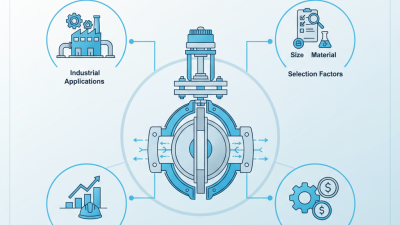
Eccentric Butterfly Valve is gaining popularity in various industries. This valve type offers unique features that enhance efficiency and reliability. From water treatment plants to chemical processing, its applications are diverse.
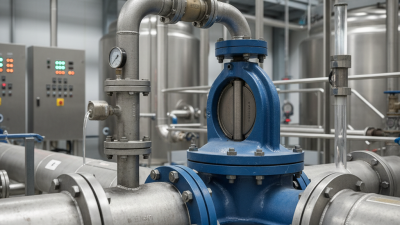
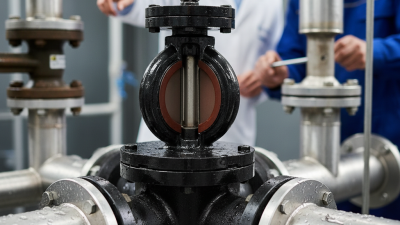
The design of an Eccentric Butterfly Valve includes a disc that does not align perfectly with the valve body. This feature creates a better sealing capability. It allows for reduced wear and tear over time. Many industries choose this design for its durability and performance.
However, it’s essential to acknowledge the limitations. Not all systems require an eccentric design for optimal functionality. Choosing the right valve requires a comprehensive understanding of specific operational needs. Awareness of these aspects is crucial for engineers and decision-makers.
Introduction to Eccentric Butterfly Valves in China
Eccentric butterfly valves are gaining traction in various industries in China. Their design allows for a quicker opening and closing mechanism compared to traditional valves. This efficiency is crucial in reducing operational downtime. A report by MarketsandMarkets indicated that the global valve market is projected to reach $85 billion by 2026, showcasing the significance of high-performance valves like eccentric butterfly types.
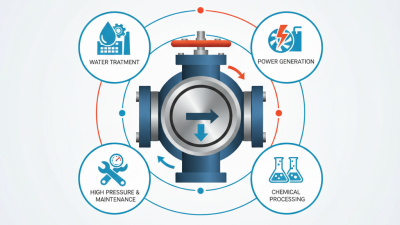
These valves are often used in water treatment, power generation, and chemical manufacturing sectors. Their unique structure minimizes seal wear, enhancing their lifespan. However, the installation process can sometimes be tricky, requiring precise alignment. The current data from the China Valves Industry Association shows that the average lifespan of these valves is approximately 10 to 15 years, but that performance significantly depends on proper installation and maintenance.
Additionally, the growing demand for energy-efficient solutions is pushing industries to adopt such advanced technologies. However, some users might overlook the importance of regular checks, potentially leading to premature failures. This oversight can be costly. In a market that values reliability, usage patterns will have a lasting impact on valve performance and safety.
Key Features of Eccentric Butterfly Valves
Eccentric butterfly valves play a crucial role in various industrial applications. The design features a disc that is offset from the center of the pipe. This design allows for a smooth flow and better sealing. One key feature is the reduced wear on the valve seat. This results in a longer lifespan compared to centric designs. They are ideal for handling slurry, wastewater, and other viscous materials.
Consider the application's specific requirements before choosing a valve. An eccentric butterfly valve is particularly effective in situations that require throttling. The valve's ability to maintain performance while minimizing turbulence is essential. This can lead to energy savings in large systems. Use caution when installing and operating; misalignment can lead to premature failure.
Tips: Regular maintenance is vital. Check for signs of wear and leakage. Early detection can save costs in the long run. When in doubt, consult with a valve specialist. Their expertise can help avoid costly mistakes.
Eccentric butterfly valves also feature a compact design, making them space-efficient. This is a significant advantage for installations with limited space. However, improper selection can lead to inefficiency. An assessment of the process conditions is paramount to ensure the proper valve choice. Balancing performance and budget is often tricky.
Common Applications of Eccentric Butterfly Valves in Industry
Eccentric butterfly valves play a significant role in various industries. They are designed to manage flow efficiently. A common application is in water treatment plants. Here, these valves regulate water flow with precision. Their design helps to minimize turbulence, improving overall system performance.
In the chemical industry, eccentric butterfly valves excel in controlling corrosive materials. They offer reliable sealing and robust performance. However, periodic maintenance is key to ensuring longevity. Improper installation can lead to leaks or operational issues. Understanding valve specifications is crucial.
Tips: When selecting an eccentric butterfly valve, consider the media type. Matching materials is vital for durability. Always check for proper seal integrity during installation. Neglecting this step can cause unexpected failures. These valves require attention to detail in maintenance routines.
Advantages of Using Eccentric Butterfly Valves Over Other Types
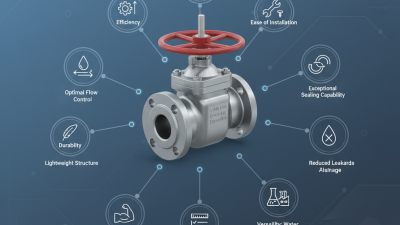
Eccentric butterfly valves offer distinct advantages over traditional valve types. Their unique design enables efficient flow management. This design minimizes turbulence, which is crucial for processes needing precise control. Unlike the conventional valves, eccentric butterfly valves use a rotating disc that does not impede flow as much. This arrangement enhances the valve’s operating efficiency.
One notable benefit is their ability to handle high volumes with lower pressure drops. They excel in applications where tight shutoff is necessary. The eccentric design allows the disc to lift away from the seat during operation. This feature reduces wear and tear, prolonging the valve’s lifespan. Many industries appreciate these valves for their durability and reliability.
However, they do come with some considerations. Installation requires precise alignment to achieve optimal performance. If installed incorrectly, the benefits can diminish. Users must also ensure that they are suitable for the specific application. Careful evaluation of compatibility with the medium is important. This reflection can lead to better overall system performance.
Advantages of Eccentric Butterfly Valves
Maintenance and Care for Eccentric Butterfly Valves
Eccentric butterfly valves require careful maintenance to ensure optimal performance. Regular inspections are crucial. The average lifespan of such valves ranges from 10 to 30 years, depending on the application and environment. According to industry reports, improper care can reduce this significantly. For instance, nearly 30% of valve failures are attributed to neglect in maintenance.
To maintain these valves, inspect the sealing surfaces regularly. Ensure that they are clean and free of debris. Lubrication is essential. A well-lubricated valve operates more smoothly and lasts longer. Some studies indicate that routine lubrication can improve a valve’s efficiency by up to 15%. It is also important to check for any signs of corrosion, especially in harsh environments. Corrosion can lead to leaks and failures that compromise functionality.
Training for maintenance staff is vital. Many incidents occur due to untrained personnel. Implementing a structured maintenance schedule can improve reliability. Addressing issues as they arise can prevent costly downtime. Keep detailed records of maintenance actions. This data can highlight trends and inform future maintenance protocols, thus enhancing overall valve longevity.