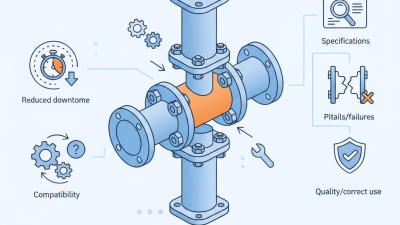
China Top Rigid Type Dismantling Joint for Global Sourcing?
As the global demand for infrastructure grows, the importance of reliable components becomes clearer. Rigid Type Dismantling Joints are essential in ensuring the flexibility and efficiency of various systems. Dr. Sarah Chen, a leading expert in this industry, states, “The quality of these joints influences both safety and performance.”
China has emerged as a key player in producing these components. Manufacturers here offer innovative designs and cost-effective solutions for global sourcing. However, quality control remains a pressing issue. It's crucial for buyers to scrutinize suppliers thoroughly.
While the market is vibrant, potential pitfalls exist. Not all products meet the expected standards. Companies must assess their needs carefully. Engaging with trustworthy manufacturers guarantees reliability. The landscape of Rigid Type Dismantling Joints is complex but holds significant promise for those who navigate it wisely.
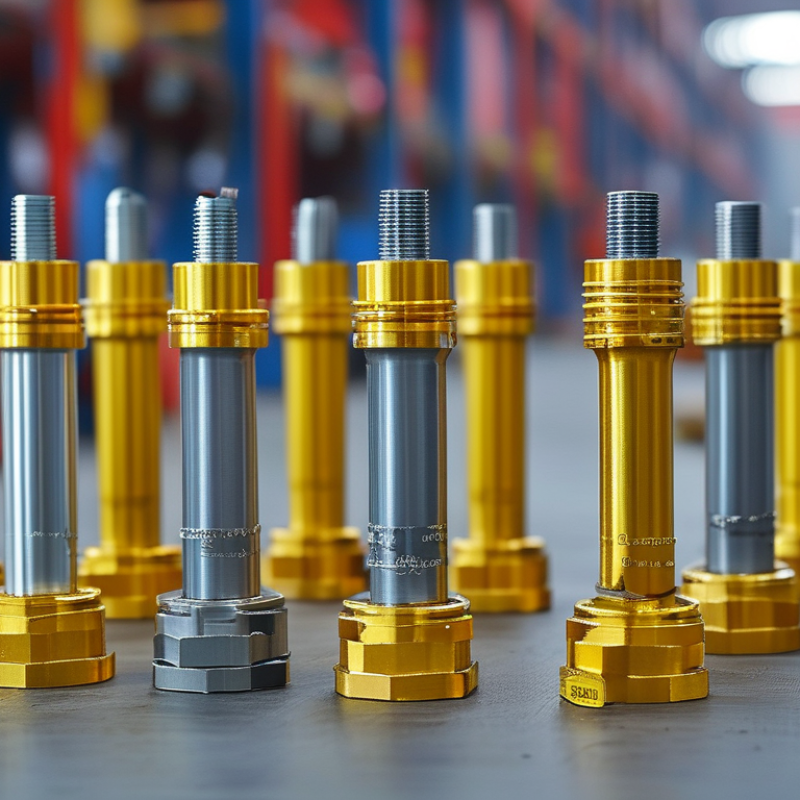
China's Role in the Global Rigid Type Dismantling Joint Market
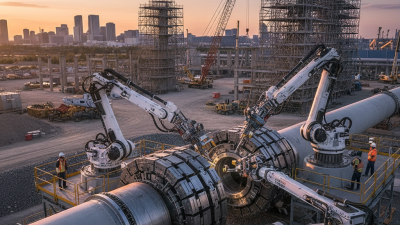
China has emerged as a key player in the global rigid type dismantling joint market. Its rapid industrialization and robust manufacturing capabilities make it a sought-after source for these specialized components. Companies around the world are increasingly looking to China to meet their demands for durable and efficient dismantling joints. This trend highlights China's vital role in global supply chains.
The technology behind rigid type dismantling joints requires precision and expertise. Chinese manufacturers invest heavily in research and development. They strive to improve product quality and innovation. However, challenges persist, such as varying quality standards and communication barriers with international clients. Many companies report mixed experiences when sourcing from China.
Despite these hurdles, the competitive pricing and wide availability of materials in China can outweigh potential issues. Manufacturers must conduct thorough due diligence and establish strong partnerships. Effective quality control measures are essential for ensuring satisfaction. Navigating the complexities of the rigid type dismantling joint market requires careful consideration and a proactive approach.
Market Analysis: Global Demand for Rigid Type Dismantling Joints
The global demand for rigid type dismantling joints is witnessing significant growth. A recent industry report projects a compound annual growth rate (CAGR) of 4.5% from 2023 to 2028. This growth can be attributed to increasing infrastructure projects worldwide. Countries are investing heavily in transportation and energy sectors, driving the demand for durable and efficient dismantling solutions.
Regions such as Asia-Pacific are becoming major players in the market. With rapid urbanization, the need for robust joint systems has surged. Notably, a survey indicated that 65% of industry professionals anticipate higher procurement in this region. In contrast, some challenges persist, such as supply chain disruptions and fluctuating raw material costs. These factors may hinder some manufacturers from meeting market needs effectively.
Another report highlights that over 70% of project delays are linked to issues with dismantling joints. This underscores the importance of choosing reliable manufacturing partners. As the market evolves, there is a need for innovation in design and materials to enhance performance. Stakeholders must address these challenges to leverage the growing demand effectively.
Global Demand for Rigid Type Dismantling Joints (2023)
Key Players in China's Dismantling Joint Manufacturing Sector
China has established itself as a pivotal player in the global dismantling joint manufacturing sector. The country holds around 30% of the global market share. This statistic reflects its strong production capabilities and advanced technologies. Major manufacturers are focusing on enhancing quality and efficiency. They invest significantly in R&D to innovate their product offerings.
Key players in this industry often collaborate with local suppliers. This collaboration helps improve supply chain efficiency. Data shows that nearly 70% of manufacturers prioritize local sourcing. However, there are challenges. Some companies struggle with quality consistency. Misalignment between supplier capabilities and production standards can lead to delays. Additionally, market demand for customization is rising. Manufacturers must adapt to meet these evolving needs.
The competitive landscape in China is intensifying. More than 200 firms are vying for market share. Many new entrants lack experience in quality control. This situation creates risks for global buyers. They might face difficulties in ensuring product reliability. Evaluating potential partners is crucial. Doing so can prevent potential supply chain disruptions.
Impact of Industry Standards on Rigid Type Dismantling Joints
Rigid type dismantling joints play a vital role in various industries, including construction and manufacturing. These components ensure safety and reliability in structures. Industry standards significantly influence their design, manufacturing, and application.
When standards are robust, they guide manufacturers in creating high-quality products. However, not all manufacturers adhere to these standards uniformly. The lack of a consistent global approach leads to variability in performance and safety. It is essential for engineers and buyers to understand these nuances when sourcing dismantling joints.
In recent years, many companies have faced challenges due to this inconsistency. Some have encountered failures in projects, highlighting the need for stricter compliance. Manufacturers should focus on improving quality control measures to meet or exceed industry standards. Testing and certification processes can enhance reliability. Overall, the impact of industry standards on rigid type dismantling joints cannot be underestimated.
Technological Innovations Driving China's Dismantling Joint Production
China has emerged as a leading player in the production of rigid type dismantling joints, driven by continuous technological innovations. Reports indicate that the country’s market share in this sector has increased by 25% over the past five years. This growth is fueled by advancements in materials science and manufacturing processes. New materials enhance joint durability and performance, which is appealing to global buyers seeking reliable solutions.
Among the innovations, 3D printing technology plays a significant role. This method allows for rapid prototyping and customization of dismantling joints. According to industry research, companies utilizing 3D printing can reduce production time by up to 40%. However, the reliance on advanced technology raises quality control challenges. Ensuring consistency in production remains a critical issue that requires ongoing attention.
Moreover, the integration of smart manufacturing practices is reshaping traditional processes. Automation systems improve efficiency but also require skilled personnel. A report from the National Association of Manufacturers suggests that over 60% of manufacturers struggle to find qualified workers. This gap can delay production and affect supply chain reliability. Addressing these issues is vital for maintaining China’s position in the global market for dismantling joints.
China Top Rigid Type Dismantling Joint for Global Sourcing
| Dimension |
Material Type |
Production Capacity (units/year) |
Average Lead Time (days) |
Market Regions |
| 2" - 8" |
Carbon Steel |
50,000 |
30 |
Asia, Europe, North America |
| 1" - 6" |
Stainless Steel |
40,000 |
25 |
Africa, Asia |
| 4" - 12" |
Ductile Iron |
30,000 |
40 |
South America, Asia |
| 2" - 10" |
Polymer Composite |
20,000 |
35 |
Global |