How to Choose the Best Pn40 Butterfly Valve for Your Needs?
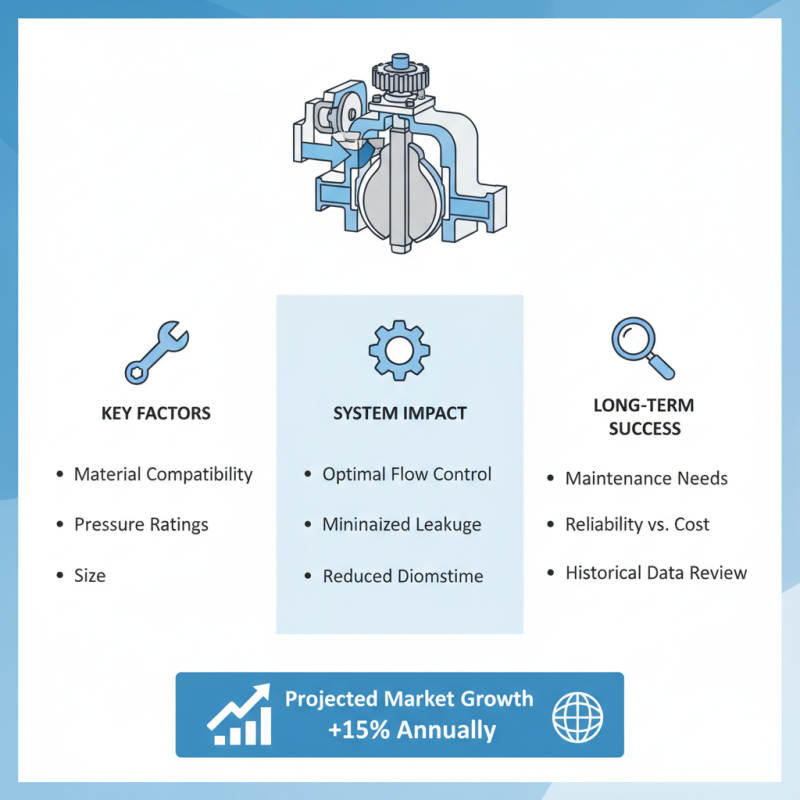
Choosing the right Pn40 Butterfly Valve can significantly impact your system's efficiency. A well-chosen valve ensures optimal flow control and minimizes leakage. According to a recent industry report by ValveWorld, the demand for Pn40 Butterfly Valves is projected to grow by 15% annually. This growth is fueled by their applications in various sectors, including water treatment and industrial processes.
Industry expert John Smith emphasizes the importance of selection: “The right Pn40 Butterfly Valve can prevent costly downtime.” This highlights the critical role of making informed choices. Key factors include material compatibility, pressure ratings, and size. A valve that seems perfect on paper may not perform well in real-world conditions.
Moreover, it’s crucial to consider maintenance needs. Some valves require more upkeep than others. Reviewing historical performance data can reveal potential issues. Balancing reliability and cost is essential for long-term success. Selecting the best Pn40 Butterfly Valve is not just a task; it requires reflection and a comprehensive understanding of your system's demands.
Understanding the Basics of Pn40 Butterfly Valves
Understanding the basics of Pn40 butterfly valves is essential for selecting the right one. These valves are commonly used in industrial applications due to their durability and efficiency. A Pn40 butterfly valve can handle pressures up to 40 bar, making it suitable for various liquids and gases. They come in different sizes, materials, and designs, which can affect their performance and suitability for specific tasks.
The construction of these valves typically includes a disc that pivots to open or close the flow. This simple mechanism allows for quick operation. However, not all Pn40 butterfly valves are created equal. Factors such as material compatibility and temperature ratings should be carefully considered. Many users overlook these details, leading to potential failures in demanding environments.
Choosing the right valve requires attention to specific needs. For instance, consider the medium that will flow through it. Will it be corrosive? How about the temperature? These details matter significantly. Sometimes, what seems like a minor discrepancy can lead to larger issues. It's crucial to understand the context of your application. A little research can prevent costly mistakes in the long run.
How to Choose the Best Pn40 Butterfly Valve for Your Needs?
| Dimension |
Specification |
Material |
Pressure Rating |
Applications |
| 2 inch |
PN40 |
Cast Iron |
40 bar |
Water, Oil |
| 3 inch |
PN40 |
Stainless Steel |
40 bar |
Chemical Processing |
| 4 inch |
PN40 |
Ductile Iron |
40 bar |
HVAC Systems |
| 6 inch |
PN40 |
Carbon Steel |
40 bar |
Wastewater Treatment |
| 8 inch |
PN40 |
Polymer Coated |
40 bar |
Mining |
Key Factors to Consider When Choosing a Butterfly Valve
Choosing the right PN40 butterfly valve requires careful consideration of several key factors. The application for which the valve will be used is crucial. High-pressure systems need robust designs that can handle stress. Conversely, low-pressure applications may allow for lighter materials.
Material selection is another critical factor. Stainless steel valves offer corrosion resistance. However, they might not always be the best choice for every situation. Plastic options can be effective for specific environments, but they may lack durability under high temperatures. Assessing the environment in which the valve will operate is vital for longevity.
Size and connection type also play significant roles. An improperly sized valve can lead to flow issues and inefficiencies. Furthermore, compatibility with existing pipe systems matters. Standard sizes might not fit all scenarios, and custom solutions could be necessary. It's essential to reflect on these aspects to ensure you select a valve that meets your needs effectively.
Comparing Materials Used in Pn40 Butterfly Valves
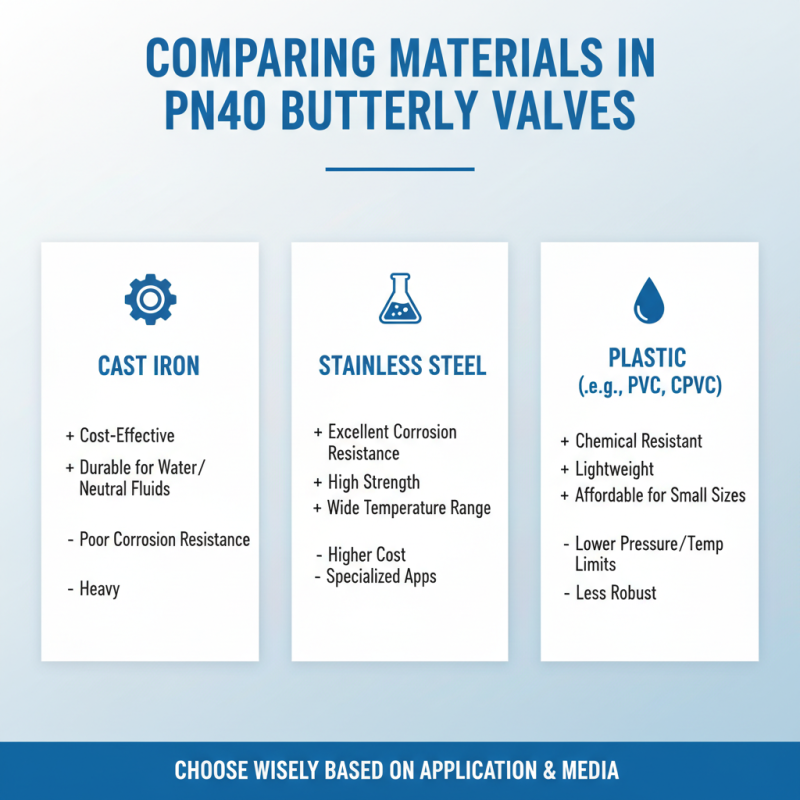
When choosing a PN40 butterfly valve, material selection is crucial. The materials used greatly influence durability, performance, and resistance to various corrosive elements. Common materials include cast iron, stainless steel, and plastic. Each offers unique advantages and limitations.
Cast iron is economical but may corrode over time. It is suitable for low-pressure applications. Stainless steel, while more expensive, provides excellent resistance to corrosion and high temperatures. It works well in demanding environments. Plastic valves are lightweight and resistant to chemicals but may not withstand high pressures.
Think about the environment where the valve will operate. For example, a valve exposed to harsh chemicals may require special coatings or materials. It’s also essential to consider how often you may need to replace the valve. Some materials require more frequent replacement, leading to higher long-term costs. Balancing cost against performance is essential in making an informed decision.
Evaluating Size and Pressure Ratings for Your Application
When choosing a PN40 butterfly valve, size and pressure ratings are crucial. The size should align with your piping system. Measure the pipe diameter and ensure the valve matches. An oversized valve can cause flow issues, while an undersized valve may not handle the required pressure.
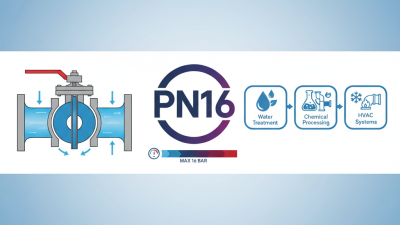
Pressure ratings indicate the maximum pressure the valve can withstand. PN40 means it can handle pressures up to 40 bar. Consider the fluid type and temperature as well. For example, aggressive fluids might require a different specification than water.
Evaluate your application carefully. If unsure, consult with experts. They can provide guidance based on years of experience. Choosing the wrong valve can lead to leaks or system failures. Always double-check your calculations before making a purchase.
Maintenance and Longevity Tips for Pn40 Butterfly Valves
Maintaining your Pn40 butterfly valve is crucial for its longevity and effective performance. Regular inspections are necessary. Look for any signs of wear or damage. Ensure that the valve seals are intact. These seals are vital to prevent leaks. Over time, they can degrade due to pressure and temperature fluctuations. If issues appear, replace the seals promptly.
Lubrication is key. Use a suitable lubricant on the valve stem. This will ensure smooth operation and prevent rust. Be cautious not to over-lubricate, as this can attract dirt and debris. Another important aspect is keeping the valve clean. Accumulation of dirt can affect its performance.
It’s essential to understand your specific application. Each environment may impose different demands on the valve. Installation location matters. Heat and humidity can impact longevity. Regularly assess your valve’s operating conditions. If temperatures exceed recommended limits, consider alternatives. The relationship between maintenance and valve performance is significant. Small, routine checks can prevent major issues.