Why Choose a Butterfly Valve With Locking Device for Your Projects?
In the realm of industrial applications, the "Butterfly Valve With Locking Device" stands out as a crucial component. Industry expert Dr. John Smith, a leading valve engineer, once stated, "A locking device ensures safety and reliability in high-pressure systems." This highlights the importance of incorporating safety features.
Choosing a butterfly valve with a locking device can significantly enhance operational safety. These valves prevent accidental opening or closing, especially in volatile environments. With the rising demands for efficiency and safety, the relevance of these valves is undeniable.
However, not all projects require the complexity of a locking device. It’s essential to evaluate the specific needs of each application. Understanding the balance between functionality and safety features is necessary for optimal performance. A well-informed choice can prevent costly mistakes and ensure long-term reliability.
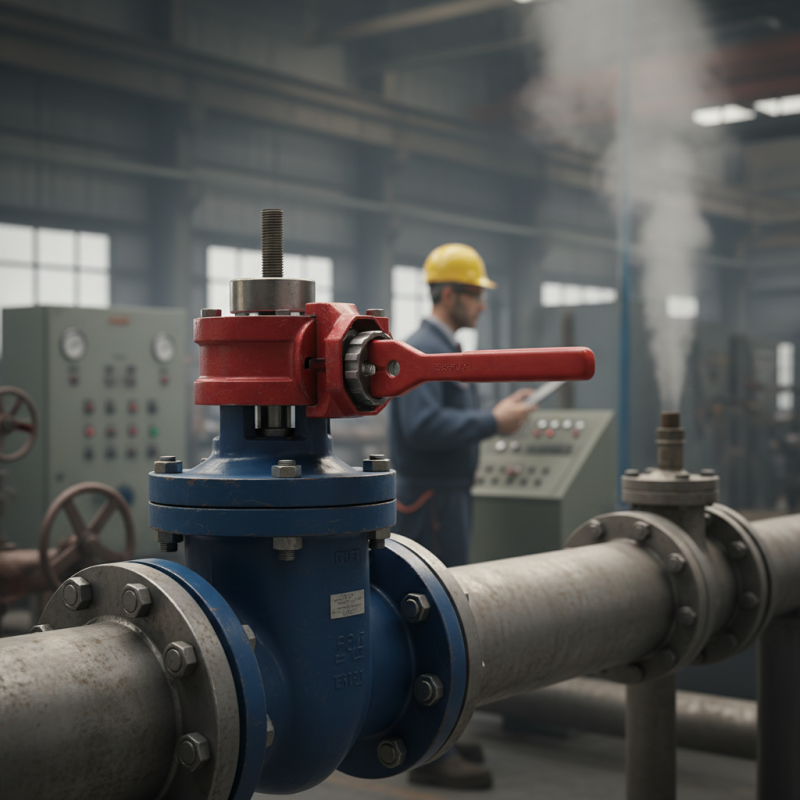
Benefits of Butterfly Valves: Reliability and Efficiency in Fluid Control
Butterfly valves are renowned for their reliability and efficiency in fluid control across various industries. A recent report by the American Society of Mechanical Engineers highlights that butterfly valves can achieve up to 95% efficient flow characteristics. This efficiency is crucial in systems where minimizing turbulence and pressure loss is essential. Their simple design allows for rapid opening and closing, reducing operational downtime.
In addition to their performance, safety features such as locking devices further enhance their appeal. A survey conducted by the Valve Manufacturers Association showed that 70% of users prefer valves with locking mechanisms. These devices prevent accidental valve movements, ensuring the system's integrity. However, not all models guarantee this feature, which may pose risks in high-pressure applications. Attention to detail in valve selection is vital to ensure compliance with safety standards.
Maintenance is another aspect where butterfly valves excel. Regular checks can enhance longevity and performance. Yet, overlooking minor signs of wear can lead to inefficiencies. It's essential to weigh the upfront costs against long-term savings from reduced energy consumption and maintenance needs. A well-chosen butterfly valve can be the cornerstone of a reliable and efficient fluid control system.
Locking Devices: Enhancing Safety in Industrial Applications
In industrial applications, safety is paramount. Locking devices on butterfly valves play a crucial role in ensuring this safety. These devices prevent accidental operation. They can help avoid disasters in high-pressure systems. When a valve is in a locked position, it cannot be opened unintentionally. This simple precaution can mean the difference between safety and risk.
Moreover, the addition of a locking device requires careful consideration. Not every project needs this enhancement. Some systems might not have the same risk factors. However, in environments with volatile materials, a locking device is essential. It's a small addition that provides great peace of mind. Yet, the installation process can be complex. Mistakes during installation can lead to failures. Reflecting on the choice of whether to use a locking device is important.
In conclusion, while a locking device on a butterfly valve increases safety, its implementation has challenges. Careful planning and execution are key. Evaluating the specific needs of each project is essential. Safety shouldn't be an afterthought; it needs to be integrated into the design process.
Industry Standards: Ensuring Compliance with Butterfly Valve Specifications
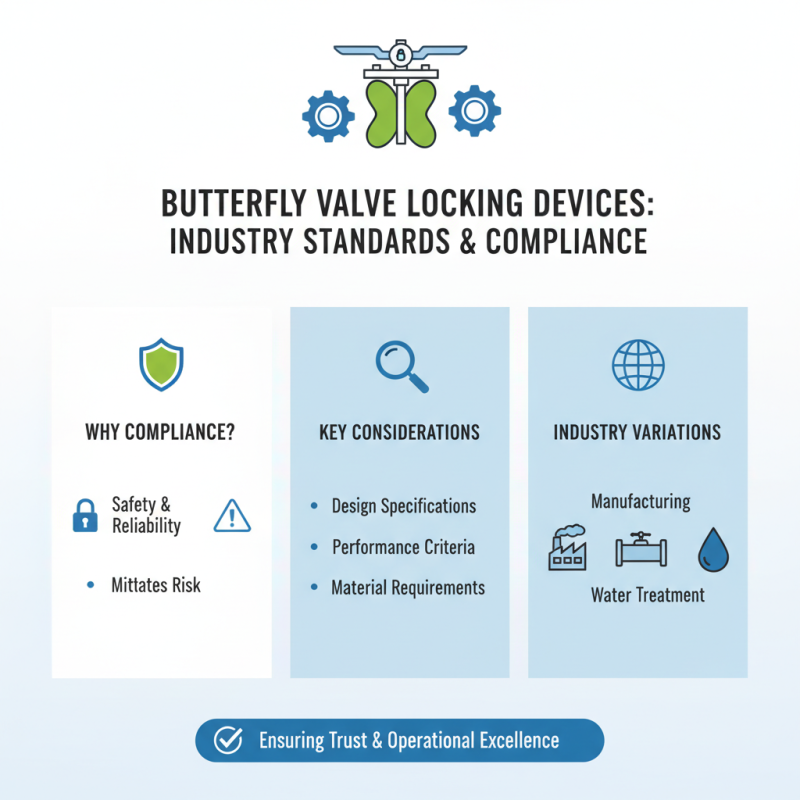
When selecting a butterfly valve with a locking device, it’s crucial to understand industry standards. Compliance is not just a suggestion; it’s a requirement. Following these standards ensures safety and reliability in various applications. Manufacturers must adhere to specific criteria, which can vary by industry. This influences everything from design to performance.
A butterfly valve needs to be tested for pressure and temperature. Additionally, the locking mechanism must be robust yet easy to operate. Sometimes, however, this balance can be tricky. A valve that is too rigid may limit functionality, while one that's too loose can be unsafe. Finding this middle ground is essential for optimal performance.
Meeting standards may also involve regular inspections and certifications. This can be overwhelming for some projects. However, these steps are necessary to avoid potential failures. Sometimes, the need for compliance can feel like a burden, but it ultimately protects both the equipment and personnel. The right butterfly valve can make all the difference in maintaining system integrity.
Cost-Effectiveness: Long-Term Savings with Butterfly Valves
Butterfly valves with locking devices offer significant cost-effectiveness for various projects. Their simple design reduces manufacturing and installation costs. This makes them a budget-friendly option for both small and large systems. Over time, the maintenance costs are lower compared to other valve types. This can lead to substantial savings in the long run.
However, choosing the right valve requires careful consideration. Not all projects may benefit equally from this type of valve. There may be instances where a butterfly valve does not perform as expected. Factors like fluid temperature and pressure can affect functionality. Therefore, assessing the specific needs of each project is crucial. While the initial investment may seem low, hidden costs can arise if the valve fails due to improper selection.
In practice, locking devices can enhance safety and reliability. They prevent accidental operation, reducing the risk of leaks. This is particularly important in critical applications. Yet, relying solely on a locking mechanism is not without its flaws. Mismanagement or misunderstanding of the lock can lead to operational delays. Ultimately, balancing cost with the long-term implications of valve performance is essential for project success.
Maintenance Considerations: Optimizing Performance and Longevity
Choosing a butterfly valve with a locking device can significantly impact your projects. Maintenance is crucial for optimizing the performance and longevity of these valves. Regular inspection helps identify wear and tear. A well-maintained valve can prevent unexpected failures and costly downtime.
Tip: Schedule routine checks every six months. Look for signs of corrosion or damage. Keep an eye on the locking mechanism. It should function smoothly and engage securely. Any stiffness or difficulty indicates a problem.
Consider the environment in which the valve operates. Extreme temperatures or corrosive substances can accelerate degradation. This requires more frequent maintenance checks. Sometimes, neglecting these aspects can lead to leaks or malfunctions, which pose safety risks.
Tip: Use appropriate lubricants for the locking device. Ensure that the lubricant is compatible with the valve materials. This small step can enhance the valve’s lifespan significantly. Also, store spare parts in a controlled environment to avoid deterioration.