Why Choose Pn16 Butterfly Valve for Your Next Project?
Choosing the right valve for a project can be daunting. The Pn16 Butterfly Valve stands out in various applications. Industry expert Dr. Emily Nascimento, a leading authority on fluid control systems, emphasizes, "The Pn16 Butterfly Valve offers unmatched efficiency and versatility."
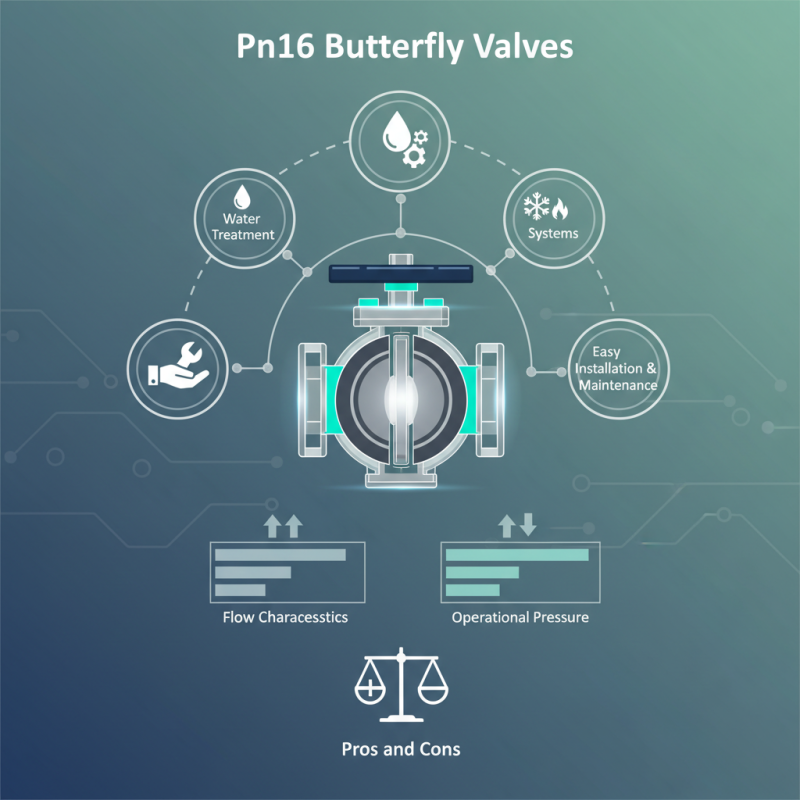
This type of valve is designed to regulate flow with minimal resistance. It works well in diverse industries such as water treatment and HVAC systems. Notably, the Pn16 Butterfly Valve is lightweight and compact, allowing for easy installation and maintenance. However, one must be aware of potential limitations. While it excels in many areas, it may not suit every situation, especially under extreme conditions.
Numerous factors influence the decision to choose a Pn16 Butterfly Valve. These include flow characteristics and operational pressure. Ensuring the right fit for your specific application is vital. In an industry where precision matters, it's worth considering both pros and cons. The Pn16 Butterfly Valve represents a balance of functionality and adaptability, but reflection on your project needs is essential for the best outcome.
Benefits of Pn16 Butterfly Valve in Fluid Control Applications
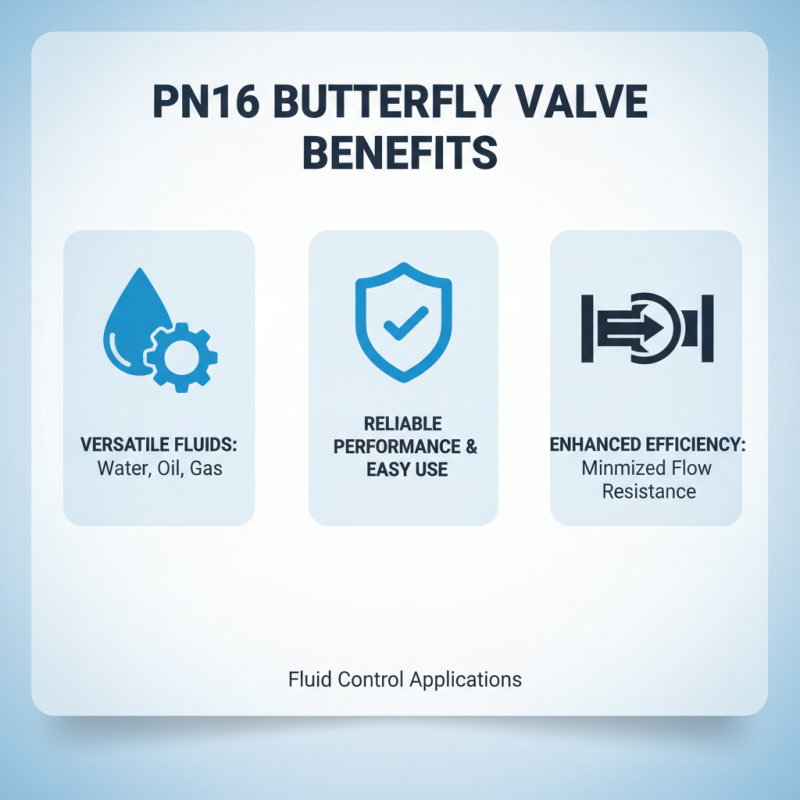
The Pn16 butterfly valve is a popular choice in fluid control applications due to its reliable performance and ease of use. One key benefit is its ability to handle a variety of fluids, including water, oil, and gas. This versatility makes it suitable for many projects in different industries. The design minimizes flow resistance, which can enhance efficiency in systems where pressure loss is a concern.
When selecting a valve, consider the size and specifications of your system. Proper sizing is crucial for achieving optimal performance. Oversizing can lead to inefficiencies, while undersizing may cause pressure drops. It's essential to evaluate the project requirements thoroughly.
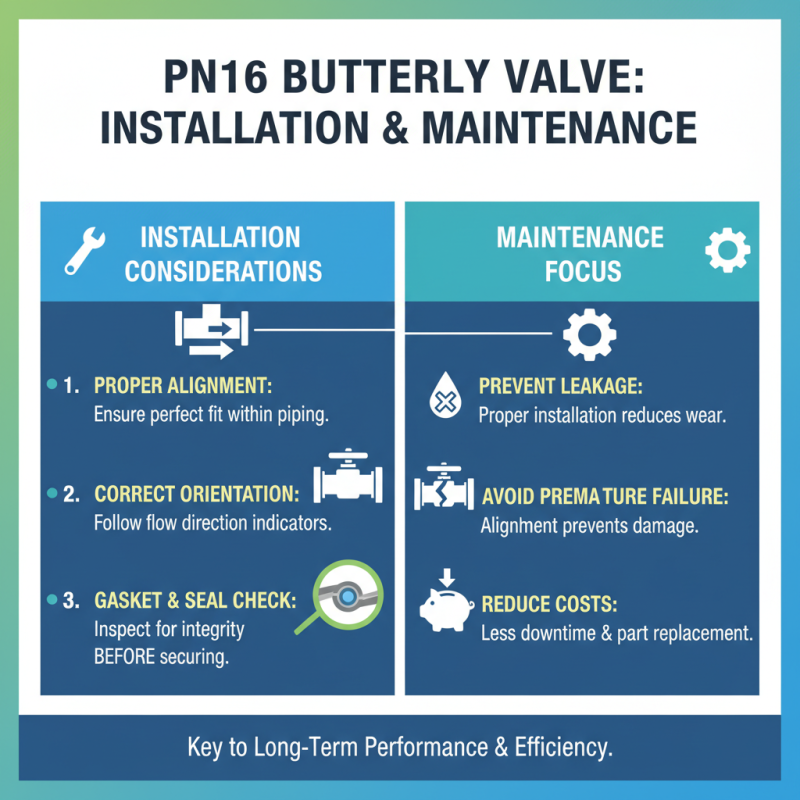
**Tips:** Regular maintenance can extend the lifespan of your valve. Ensure that the sealing surfaces are clean and free from debris. Also, look for any signs of wear or leakage over time. Remember, a little attention can prevent bigger issues down the line. Understanding the limitations of the Pn16 butterfly valve is equally important. It may have restrictions in extreme conditions, such as very high temperatures or aggressive chemicals.
Technical Specifications and Standards for Pn16 Butterfly Valves
When selecting Pn16 butterfly valves, understanding their technical specifications is crucial for any project. Pn16 indicates that these valves can handle a pressure of 16 bar, or approximately 232 psi. This pressure rating is suitable for various applications, including water, gas, and other fluids. The design should adhere to standards like ISO 5752, which defines the valve's dimensions and performance criteria. This adherence ensures reliable operation and compatibility within existing systems.
The materials used in Pn16 butterfly valves commonly include ductile iron, stainless steel, and PVC. Each material offers unique benefits. Ductile iron provides durability, while stainless steel ensures corrosion resistance. It's essential to consider the operating environment when choosing a material. Industry reports indicate that valves made of appropriate materials significantly reduce maintenance needs. The lifespan of a well-selected valve can exceed 20 years in optimal conditions.
Achieving optimal flow control can be challenging. Some users report that incorrect sizing leads to inefficiencies. Valves that are too large may cause turbulence, adversely affecting system performance. Regular maintenance checks are vital. Implementing a proper maintenance schedule can enhance valve lifespan and maintain system efficiency. Adopting these guidelines supports improved reliability and performance of Pn16 butterfly valves in your projects.
Comparative Analysis: Pn16 Butterfly Valve vs. Other Valve Types
When evaluating valve choices for industrial applications, the Pn16 butterfly valve stands out. Its design allows for efficient flow control, making it ideal for various systems. According to industry standards, butterfly valves can manage high flow rates while occupying minimal space. Their lightweight structure enables easier installation compared to heavier valve types.
In comparison to gate and globe valves, Pn16 butterfly valves offer faster opening and closing times. For example, a 2019 report by the International Valve Association indicated that butterfly valves can operate fully within 90 degrees of rotation. This quick response time is beneficial in systems requiring rapid adjustments. However, they might not handle high-pressure fluctuations as effectively as globe valves, which is worth considering for certain applications.
Another consideration is cost-effectiveness. Data from market analyses show that butterfly valves, particularly Pn16 models, generally have lower manufacturing and maintenance costs. This makes them appealing for projects with budget constraints. Despite their advantages, they can present challenges in extremely high-pressure environments, which necessitates careful assessment of project requirements.
Cost-Effectiveness of Pn16 Butterfly Valves in Long-Term Projects
When considering valves for long-term projects, PN16 butterfly valves stand out due to their cost-effectiveness. According to industry reports, these valves can minimize initial costs by up to 20% compared to other valve types. This is crucial for budget-conscious projects. Their design allows for quick installation and reduced maintenance needs, translating to lower overall expenditures.
Moreover, PN16 butterfly valves are known for their durability. Operating under pressures up to 16 bar, they exhibit exceptional resilience. A report from the International Valve Association highlights that the lifespan of these valves can exceed 20 years in optimal conditions. This longevity means fewer replacements and less downtime, which is often a critical concern in project planning.
However, it is essential to consider specific project requirements. Not every application may benefit from a butterfly valve. While they excel in large-scale systems, smaller projects might not utilize them effectively. The need for ongoing evaluation and adjustment is vital. Even the most well-regarded products can face challenges based on their environment or usage patterns. Think carefully before making a choice.
Why Choose Pn16 Butterfly Valve for Your Next Project? - Cost-Effectiveness of Pn16 Butterfly Valves in Long-Term Projects
| Dimension |
Cost (per unit) |
Lifespan (years) |
Maintenance Frequency (per year) |
Typical Applications |
| DN50 |
$45 |
10 |
1 |
Water Supply |
| DN100 |
$85 |
12 |
1 |
Wastewater Treatment |
| DN150 |
$130 |
15 |
1 |
Chemical Processing |
| DN200 |
$200 |
20 |
1 |
Oil and Gas |