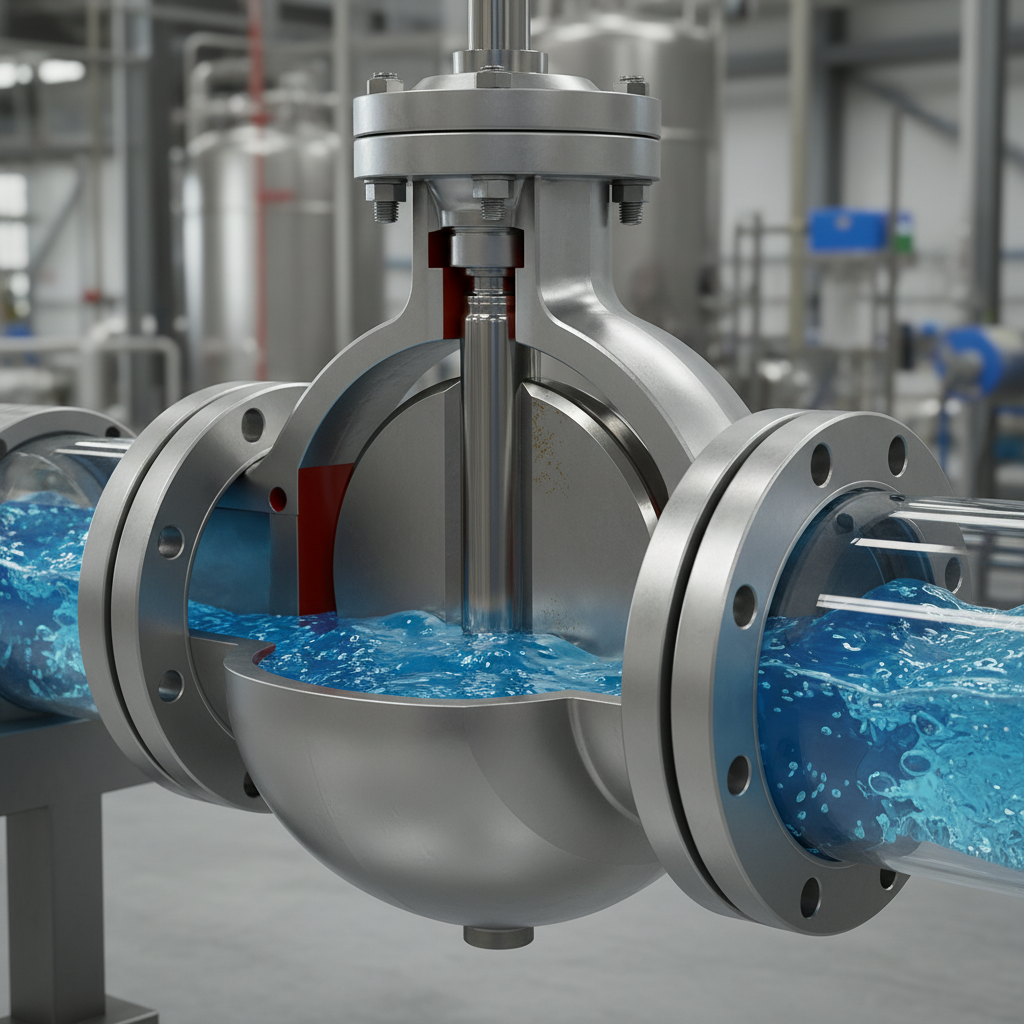
2025 How to Choose the Right En593 Butterfly Valve for Your System
When it comes to managing fluid control within a system, selecting the appropriate valve is crucial for optimizing performance and ensuring reliability. Among the various options available, the EN593 butterfly valve stands out due to its design, efficiency, and versatility. Designed to meet international standards, the EN593 butterfly valve is commonly utilized in a variety of industries, including water treatment, oil and gas, and chemical processing. Understanding how to choose the right EN593 butterfly valve for your specific application can significantly enhance operational effectiveness.
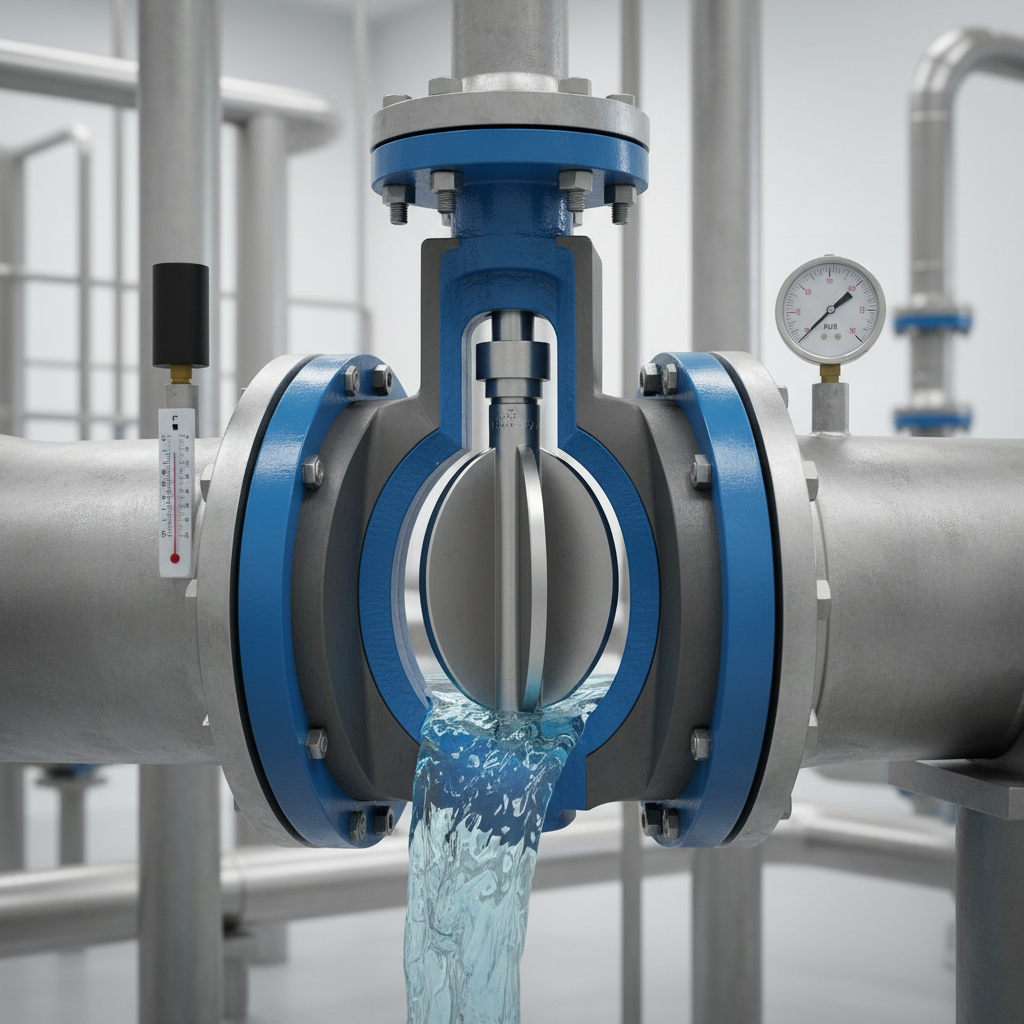
In this guide, we will explore the critical factors to consider when selecting the right EN593 butterfly valve for your system. From the operational pressures and temperatures to the compatibility with the fluids being transported, each criterion plays an essential role in the selection process. Additionally, we will discuss the different types of EN593 butterfly valves available and their unique features, allowing you to make an informed decision that meets both your technical requirements and budgetary constraints. Ultimately, choosing the right EN593 butterfly valve is not just about functionality; it is about ensuring the safety and efficiency of your entire system.
Choosing EN593 Butterfly Valves: Understanding Industry Standards and Specifications
When selecting EN593 butterfly valves for your system, understanding the industry standards and specifications is paramount. The EN593 standard lays out critical criteria for design, manufacturing, and testing, ensuring that the valves meet safety and performance benchmarks. Familiarizing yourself with these specifications enables you to assess the suitability of a valve for your specific application, considering factors like pressure ratings, temperature ranges, and material compatibility.
In addition to the EN593 standards, it’s also essential to evaluate the valve's intended use within your system. This involves understanding its operational context, including fluid type and flow characteristics. Different EN593 butterfly valves are designed for various applications, such as water treatment, industrial processes, and HVAC systems. By aligning your selection criteria with both the technical specifications provided in the EN593 standard and the unique requirements of your application, you can ensure optimal performance and longevity of your valve system.
2025 EN593 Butterfly Valve Performance Data
Key Factors in Selecting the Right Size and Rating for EN593 Butterfly Valves
When selecting the right EN593 butterfly valve for your system, it's crucial to consider key factors such as size and rating. The first step is to determine the appropriate size of the valve. This is typically influenced by the pipeline’s diameter and the flow requirements of your system. Accurately measuring the pipeline and accounting for the flow rate ensures that the butterfly valve will function effectively without causing pressure drops or flow restrictions. Using manufacturer specifications and flow charts can help in making an informed decision.
Another vital aspect to evaluate is the valve’s pressure rating, which is essential for ensuring the valve can withstand operating conditions. EN593 butterfly valves are available in different pressure classes, and selecting a valve with a suitable rating helps prevent failures due to overpressure situations.
It is recommended to examine factors such as medium type, temperature, and system pressure when assessing the pressure rating. By prioritizing these parameters, you can ensure long-term reliability and efficiency of your valve within the system.
Evaluating Materials: Corrosion Resistance and Suitability for Your Fluid Application
When choosing the right EN593 butterfly valve, evaluating the material's corrosion resistance is crucial for ensuring the longevity and reliability of your fluid application. Different fluids interact with materials in various ways, leading to potential degradation over time if the wrong material is selected. For instance, if you are handling corrosive substances, opting for stainless steel or specialized alloys can greatly enhance durability and minimize maintenance costs. These materials not only withstand reactive chemicals but also offer a robust structural integrity that is essential for consistent performance in demanding environments.
Moreover, it is essential to consider the specific conditions of your application when selecting materials. Factors such as temperature, pressure, and the presence of particulates in the fluid can influence the valve's performance and lifespan. For instance, high-temperature applications may require valve materials that can resist thermal expansion and maintain their sealing properties. By conducting a thorough evaluation of both the fluid characteristics and the environmental conditions, you can ensure that the selected butterfly valve material optimally meets your system's needs, providing a reliable and efficient flow control solution.
Comparing Actuation Options: Manual vs. Automatic for EN593 Butterfly Valves
When selecting an EN593 butterfly valve, one important consideration is the actuation method—manual or automatic. According to a report by the International Valve Manufacturing Association (IVMA), automated valves can improve operational efficiency by up to 40% compared to their manual counterparts. This efficiency gain is primarily due to reduced human error and faster response times in critical applications. Automated systems often feature advanced control options, streamlining integration with existing process automation systems.
On the other hand, manual actuation remains a viable choice for smaller systems or applications where infrequent operation is expected. A study by the American Society of Mechanical Engineers (ASME) indicates that manual valves are typically less expensive upfront and require less maintenance, which can be beneficial for budget-constrained projects. However, industry professionals advise that this cost-saving might be offset by the potential for higher operational risks and delays in emergency situations, highlighting the importance of evaluating the specific requirements of your system before making a choice.
2025 How to Choose the Right EN593 Butterfly Valve for Your System - Comparing Actuation Options: Manual vs. Automatic for EN593 Butterfly Valves
| Actuation Type |
Advantages |
Disadvantages |
Best Use Cases |
| Manual |
Cost-effective, simple operation, no power required |
Labor-intensive, slower operation, not suitable for large valves |
Small-scale applications, maintenance organizations, low-frequency use |
| Automatic (Electric) |
Fast and precise operation, remote control capability, reduced labor |
Higher initial cost, requires electrical supply, potential for failures |
High-frequency operations, remote facilities, automation applications |
| Automatic (Pneumatic) |
Quick response time, suitable for harsh environments, lower maintenance |
Dependent on air supply, higher installation complexity |
Pharmaceutical, food processing, wastewater treatment |
| Automatic (Hydraulic) |
Powerful operation, good for high-pressure applications |
Complex systems, potential leaks, higher operational costs |
Heavy industry, steel production, power generation |
Maintenance Considerations: Ensuring Longevity and Performance of Your Butterfly Valve System
Maintaining the longevity and performance of your EN593 butterfly valve system is crucial for smooth and efficient operations. Regular inspection should be prioritized to identify any signs of wear or damage. This includes checking the valve body, disc, and seat for corrosion or physical deformation, which can compromise sealing and flow characteristics.
Additionally, ensuring that the valve operates within its specified pressure and temperature limits will help prevent premature failure.
Lubrication also plays a significant role in maintenance. Regularly apply the appropriate lubricant to the valve's stem and bearings, which reduces friction and wear over time. Moreover, monitoring the actuator mechanism is essential—confirming that it functions smoothly and responds accurately to control signals. Implementing a maintenance schedule that includes these practices can significantly extend the operational lifespan of your butterfly valve system while ensuring it performs optimally under varying conditions.