2026 How to Choose the Right Rubber Seat Butterfly Valve for Your Needs?
Choosing the right Rubber Seat Butterfly Valve is crucial for various applications. Experts like John Smith, a renowned valve specialist, state, “Finding the right valve can save costs and enhance efficiency.” With valves being essential in fluid control, an improper choice can lead to leakage or performance issues.
When selecting a Rubber Seat Butterfly Valve, consider factors like pressure ratings and flow requirements. These valves are known for their durability and reliability. A poor selection may result in frequent replacements, causing unforeseen expenses. Each application has unique needs, making it vital to assess specific requirements.
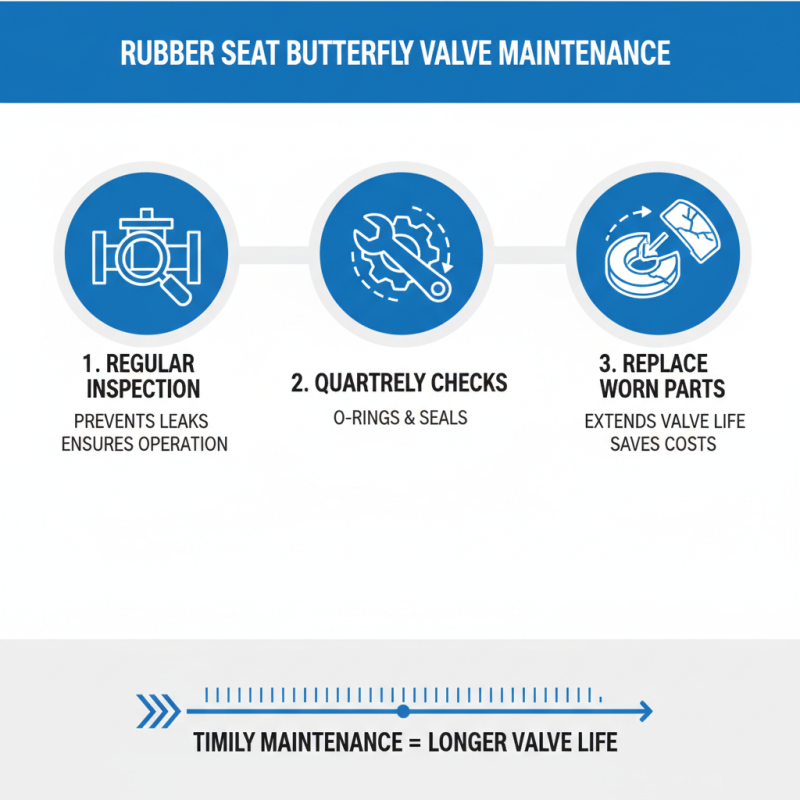
Understanding the construction of the Rubber Seat Butterfly Valve is equally important. The rubber seat enhances sealing, but it can wear over time. Regular maintenance can mitigate this issue. However, some may overlook it, leading to complications later. Thoughtful consideration and expert consultation are key to making an informed decision.
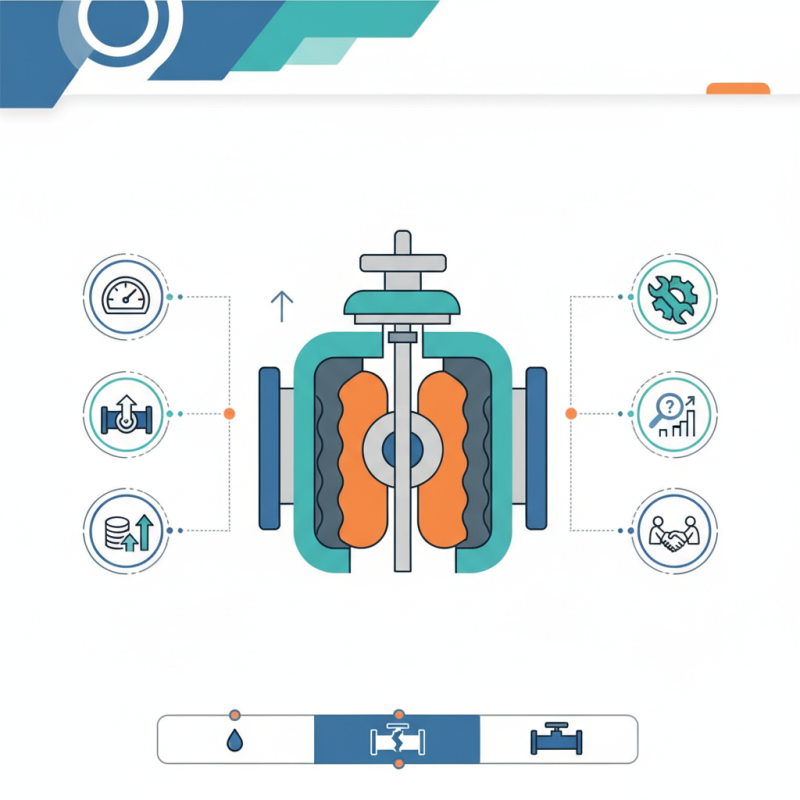
Understanding the Basics of Rubber Seat Butterfly Valves
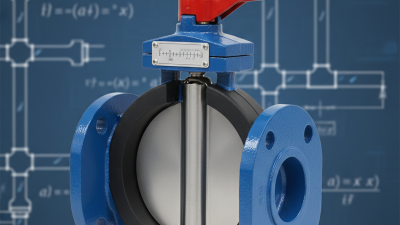
Rubber seat butterfly valves are essential components in various piping systems. They control the flow of liquids and gases with ease. These valves are known for their durability and efficiency. Understanding their basics helps users make informed choices.
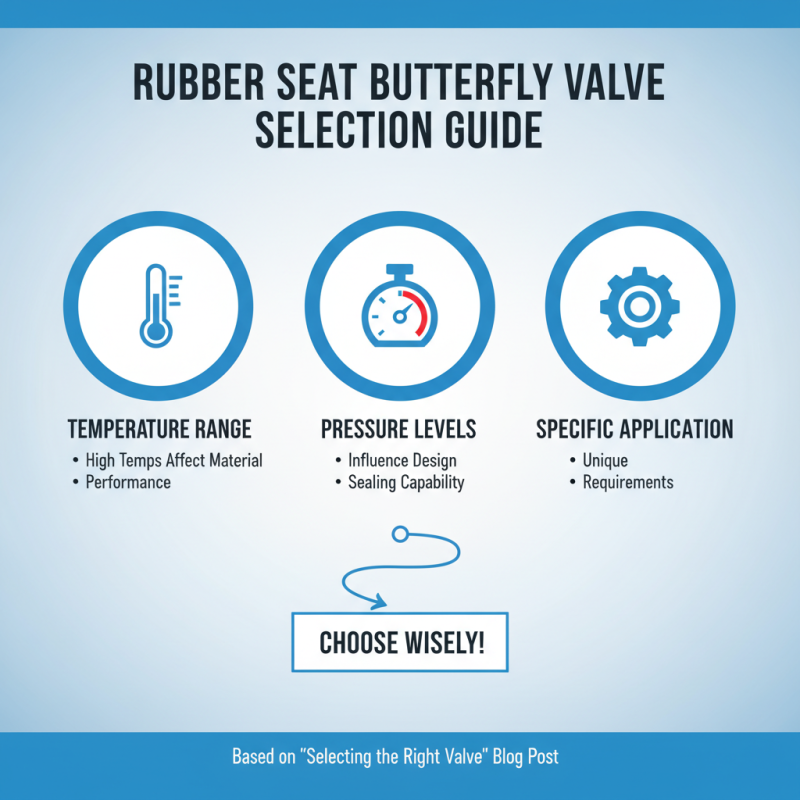
When selecting a rubber seat butterfly valve, focus on the application. The size and pressure requirements matter significantly. A small valve might not handle high pressure well. Conversely, an oversized valve can lead to inefficiency. Know your system’s specifications well.
Tips: Always consider the temperature range of the application. Rubber can degrade at high temperatures. Check material compatibility too. Some chemicals may damage the rubber. Regular maintenance extends the valve's lifespan.
In addition, evaluate the installation space. Ensure enough room for valve operation. Sometimes, tight spaces limit valve choices. This consideration is critical but often overlooked. It’s essential to balance functionality and installation needs for optimal performance.
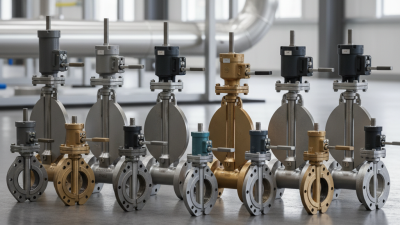
2026 Rubber Seat Butterfly Valve Characteristics
Evaluating Valve Size and Pressure Ratings
When choosing a rubber seat butterfly valve, evaluating the size and pressure ratings is crucial. The right size ensures optimum flow and efficiency. A valve that is too large can lead to turbulence and inefficient operation. Conversely, a valve too small may restrict flow, causing pressure drops. According to industry data from the Valve Manufacturers Association, about 30% of system failures result from incorrect valve sizing.
Pressure ratings are equally important. Valves are rated based on their maximum operating pressure. For rubber seat butterfly valves, this usually ranges from 150 to 300 psi. A higher pressure rating indicates better performance in extreme conditions. However, using a valve beyond its ratings can lead to catastrophic failures. A report from the American Society of Mechanical Engineers states that improper valve selection accounts for approximately 25% of maintenance costs in industrial settings.
Selecting the appropriate valve also depends on the medium it will handle. Different materials react differently under pressure. A rubber seat may not perform well in high-temperature environments. Evaluating the compatibility of the valve with the fluid is essential. Some applications require a detailed analysis of pressure drop and flow rate. Take time to understand these factors; a wrong choice can lead to costly operational downtime.
Material Selection: Choosing the Right Rubber for Durability
When selecting a butterfly valve, material choice is crucial. The rubber used can impact durability and performance. Natural rubber, for example, offers flexibility, but it may degrade under harsh conditions. Synthetic options often provide better resistance to temperature changes and chemicals.
Consider the environment where the valve will be installed. Exposure to UV light or extreme heat can weaken some rubber types over time. While considering cost, cheaper materials might save money initially, but they can lead to higher replacement costs later on. It’s a balancing act between upfront expenses and long-term reliability.
Not every situation is straightforward. Sometimes, trial and error is unavoidable. A valve that seems perfect on paper may not perform well in practice. Prior research helps, but field tests can reveal unforeseen issues. Always have a contingency plan ready for unexpected failures in the rubber material.
2026 How to Choose the Right Rubber Seat Butterfly Valve for Your Needs? - Material Selection: Choosing the Right Rubber for Durability
| Material Type |
Temperature Range (°C) |
Chemical Resistance |
Durability (Years) |
Cost ($/Unit) |
| EPDM |
-40 to 120 |
Good |
10-15 |
1.50 |
| Nitrile (Buna-N) |
-40 to 100 |
Excellent for oils & fuels |
8-12 |
1.20 |
| Silicone |
-50 to 200 |
Poor |
10-20 |
2.00 |
| Neoprene |
-40 to 100 |
Good |
10-15 |
1.80 |