How to Choose the Right Rubber Lined Butterfly Valve at Fair?
Choosing the right Rubber Lined Butterfly Valve can significantly impact operational efficiency. The valve market is projected to reach USD 17.9 billion by 2027, driven by increasing demand across various industries. Rubber Lined Butterfly Valves offer excellent durability and chemical resistance, making them ideal for diverse applications.
However, purchasing these valves requires careful consideration. Not all suppliers meet industry standards, and quality can vary widely. Reports indicate that 30% of buyers encounter performance issues within the first year. It's crucial to assess certifications like ISO and CE to ensure reliability.
The 139th Canton Fair will showcase a range of suppliers and innovations in this field. AI technology will assist buyers in navigating the vast selection, enhancing the evaluation process. Nevertheless, caution is vital. Buyers must engage critically and recognize that not every option will fulfill their specific needs.

Understanding the Basics of Rubber Lined Butterfly Valves
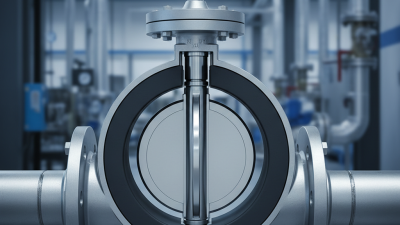
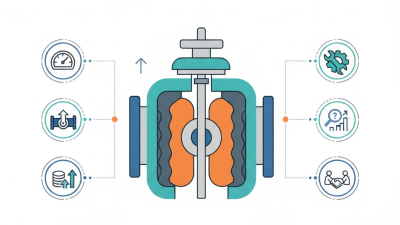
Rubber lined butterfly valves are popular choices for many industrial applications. They provide excellent sealing and are resistant to corrosion. Understanding the components is essential for making the right selection. The body of the valve is typically made from metal, while the lining is rubber. This combination maximizes durability while minimizing leaks.
When choosing a valve, consider the temperature and pressure of the system. Different rubber materials can handle specific conditions. You want to avoid mismatches that could lead to failure. Ask yourself: what are the operational requirements? Sometimes, customers overlook the significance of compatibility. A small oversight can lead to significant challenges later on.
Installation is another critical factor. Ensure that the valve fits well within your piping system. Improper installation can cause leaks and damage. Visual inspection during installation is vital. You might find areas that need adjustment. Not all rubber lined valves are created equal; some perform better than others under stress. Take time to evaluate and reflect on your choice.
Comparing Different Types of Rubber Linings
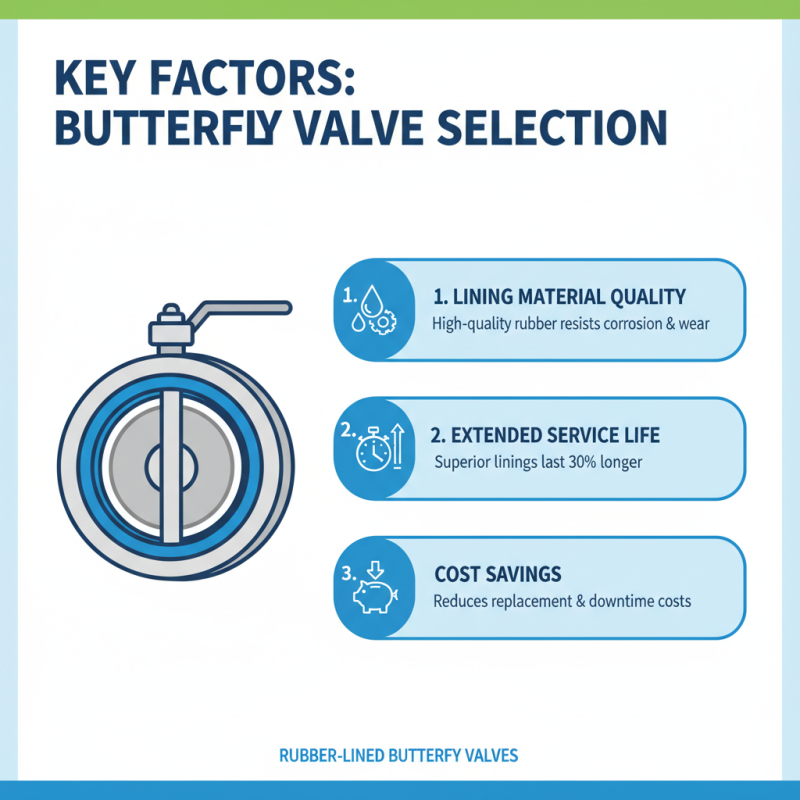
Choosing the right rubber lining for butterfly valves is a crucial decision. Different types of rubber linings offer unique benefits and drawbacks. For instance, EPDM is known for its excellent resistance to ozone and UV rays. It performs well in outdoor applications. However, it may not be suitable for oils and fats. In contrast, NBR provides great resistance to hydrocarbons but struggles with high temperatures.
According to industry reports, over 70% of valve failures are linked to improper lining choices. This highlights the importance of assessing specific operational conditions. Understanding the chemical compatibility is essential. Tools like compatibility charts can significantly guide this process. Yet, some users overlook this step, leading to costly replacements.
Moreover, linings can vary in thickness and hardness, impacting performance. A thicker lining could enhance durability but may also restrict flow. Each project has its unique requirements. Keeping these factors in mind is essential. Yet many face decision fatigue, resulting in a choice that may not fit entirely. Close attention to the details ensures better outcomes and reduces downtime.
How to Choose the Right Rubber Lined Butterfly Valve at Fair? - Comparing Different Types of Rubber Linings
| Rubber Lining Type |
Temperature Resistance (°C) |
Chemical Resistance |
Suitable Media |
Typical Applications |
| EPDM |
-40 to 120 |
Good |
Water, Steam |
Water Treatment, HVAC |
| NBR |
-20 to 90 |
Excellent for hydrocarbons |
Oil, Gas |
Petrochemical, Fuel Systems |
| Viton |
-20 to 200 |
Excellent |
Acids, Solvents |
Chemical Processing, Pharmaceutical |
| Silicone |
-60 to 200 |
Moderate |
Food Grade, Water |
Food Processing, Medical |
| Natural Rubber |
-30 to 80 |
Good |
Water, Mild Chemicals |
General Applications, Water Systems |
Evaluating Valve Sizing and Pressure Ratings
When selecting a rubber lined butterfly valve, evaluating valve sizing is crucial. The right size directly affects performance and efficiency. An undersized valve can lead to issues like increased pressure loss. Oversizing, on the other hand, may cause operating inefficiencies. Proper sizing involves assessing the flow requirements and pressure conditions of your system.
Pressure ratings are another critical factor. Each valve has specifications that state its maximum pressure capacity. Ensure you understand the application’s pressure levels. A valve that operates beyond its rating can fail catastrophically. That’s a risk not worth taking. It's important to account for pressure surges and fluctuations too. Sometimes, these variables are overlooked, leading to costly failures.
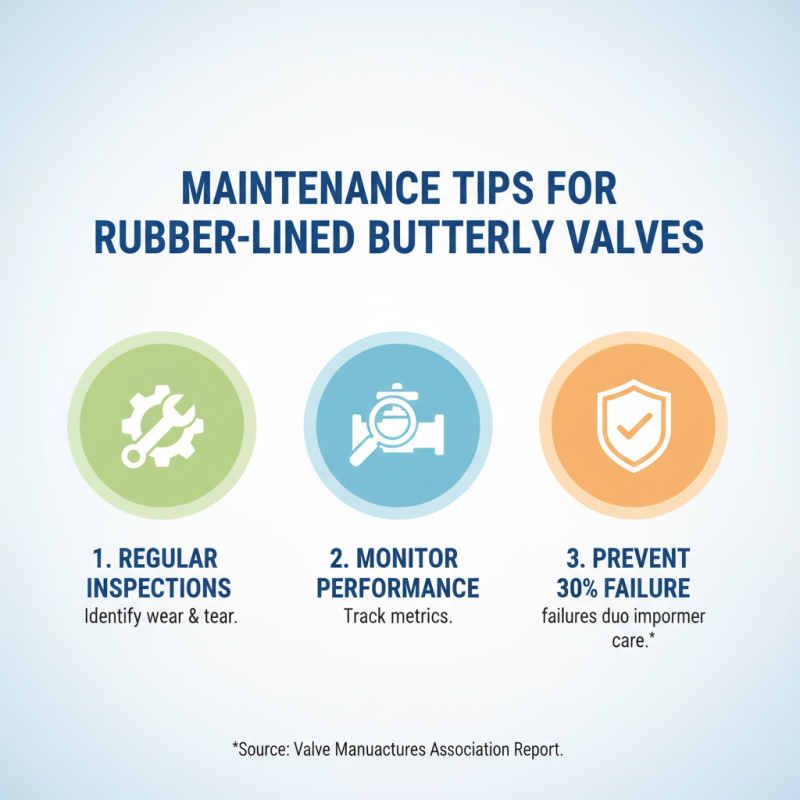
Don't forget that installation and maintenance impact valve performance as well. A poorly installed valve may not function as intended. Ignoring manufacturer guidelines can lead to problems. Always review the installation process. Adjust your choices based on the unique needs of your system. This careful approach ensures long-term reliability and minimizes potential issues.
Rubber Lined Butterfly Valve Performance Evaluation
This chart illustrates the performance evaluation of rubber lined butterfly valves based on two critical parameters: Valve Size (in inches) and Pressure Rating (in PSI). These metrics help in deciding the appropriate valve for your application needs.