How to Choose the Right Rubber Seat Butterfly Valve for Your Needs?
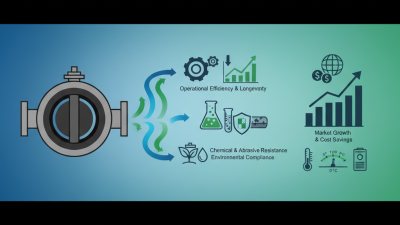
Choosing the right Rubber Seat Butterfly Valve is crucial for various applications, including water supply and industrial processes. According to a recent industry report, the global market for butterfly valves is expected to grow by 5.4% annually over the next five years. This growth highlights the increasing demand for efficient fluid control solutions. However, selecting the appropriate valve involves more than merely looking at numbers.
Expert John Smith, a leading authority in fluid mechanics, states, "The right rubber seat butterfly valve can optimize system performance and reduce maintenance costs." His insight underscores the importance of understanding specific requirements. Factors such as pressure ratings, temperature tolerances, and fluid compatibility play a significant role in making an informed choice.
Misleading specifications can lead to costly mistakes. Users often overlook the nuances of valve materials and design. While rubber seat butterfly valves offer excellent sealing capabilities, users must consider their operating conditions carefully. Balancing cost with quality requires critical thinking. It's vital to reflect on how these choices impact overall system efficiency and longevity.
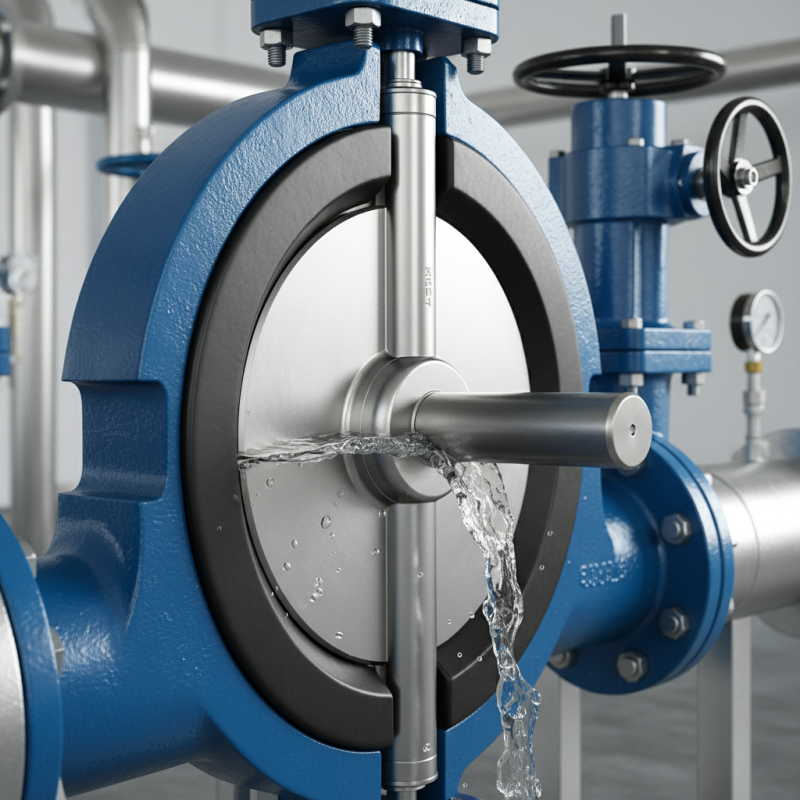
Understanding the Functionality of Rubber Seat Butterfly Valves
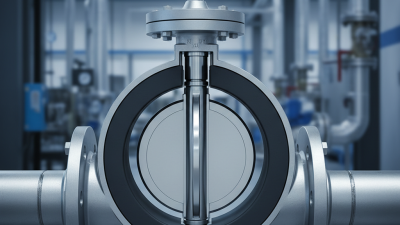
Rubber seat butterfly valves play a crucial role in fluid control systems. Their design allows for efficient flow management while minimizing pressure loss. According to a recent industry report, the global butterfly valve market is projected to grow by 5.1% annually. This growth reflects an increasing demand for reliable and durable solutions across various sectors.
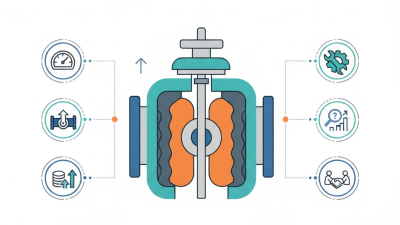
The functionality of rubber seat butterfly valves is primarily defined by their sealing capability. The rubber seat provides a tight seal, preventing leaks under varying pressure conditions. However, improper selection can lead to performance issues. It's important to understand the specific requirements of your application. Factors such as temperature and fluid type significantly influence valve performance. For instance, working with corrosive substances may require different materials.
Another aspect to consider is maintenance. These valves may need regular checks to ensure optimal functionality. Data shows that about 20% of valve failures are due to inadequate maintenance. Understanding how to properly care for your rubber seat butterfly valve can extend its lifespan. Every system is unique, and taking the time to evaluate your needs can lead to better operational efficiency.
How to Choose the Right Rubber Seat Butterfly Valve for Your Needs?
| Feature |
Description |
Advantages |
Application |
| Material |
Rubber-coated seats for enhanced sealing |
Excellent sealing capability |
Water treatment, chemical processing |
| Size Range |
Available in sizes from 2" to 48" |
Versatile for various installations |
Industrial applications, HVAC systems |
| Pressure Rating |
Typically rated up to 150 psi |
Reliable performance under pressure |
Pipelines, pressurized systems |
| Temperature Range |
Suitable for temperatures up to 200°F |
Durable under varying thermal conditions |
Hot water, steam applications |
| Actuation |
Manual, electric, or pneumatic options available |
Flexible operation choices |
Automation systems, manual control |
Factors to Consider When Selecting a Rubber Seat Butterfly Valve
When selecting a rubber seat butterfly valve, many factors come into play.
Material compatibility is crucial. Ensure the rubber can withstand the fluid it will control.
For instance, acids and bases may degrade some rubbers faster than others.
Temperature limits also matter. A valve rated for high temperatures might not function well in cold environments.
The size of the valve is another important consideration. Measure the pipeline diameter accurately.
A valve that’s too large or small can lead to inefficiencies. Think about the pressure requirements, too.
Valves operate differently under varying pressures, impacting flow control.
Installation should not be overlooked. Some valves are easier to install than others.
The layout of your piping system may hinder access, complicating the process.
Choose a design that fits your setup well.
Regular maintenance is also a factor; some rubber materials require more upkeep than others.
Consider your resources and time available for maintenance when making your choice.
Comparing Different Types of Rubber Seat Butterfly Valves
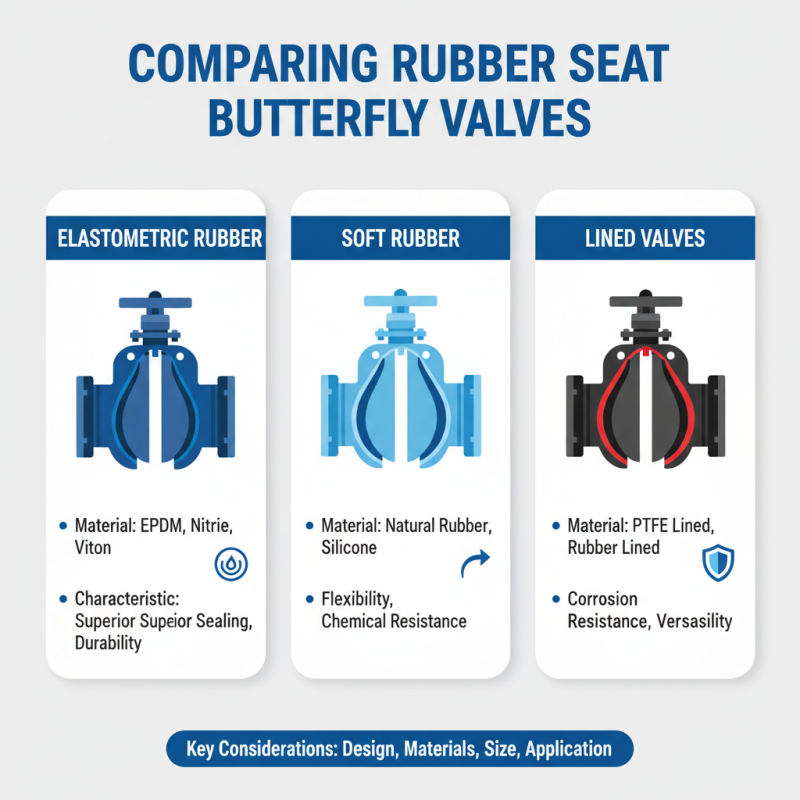
When comparing different types of rubber seat butterfly valves, it’s essential to consider various factors. These valves come in several designs, materials, and sizes. Each type serves different purposes in industrial applications. For instance, some valves are made from elastomeric rubber, which provides excellent sealing capabilities. Others may feature soft rubber materials that enhance flexibility.
The selection process should involve assessing the environment in which the valve will operate. High-pressure systems typically require robust designs. A standard valve might not withstand such conditions. Also, consider the fluid type. Corrosive fluids demand materials that can resist degradation over time.
Additionally, ease of maintenance is worth noting. Some rubber seat butterfly valves are simpler to disassemble than others. This factor can significantly affect long-term operations. You must weigh these details carefully. A rushed decision may lead to frequent issues down the line. Observing these variances helps in making an informed choice tailored to specific needs.
Installation and Maintenance Tips for Rubber Seat Butterfly Valves
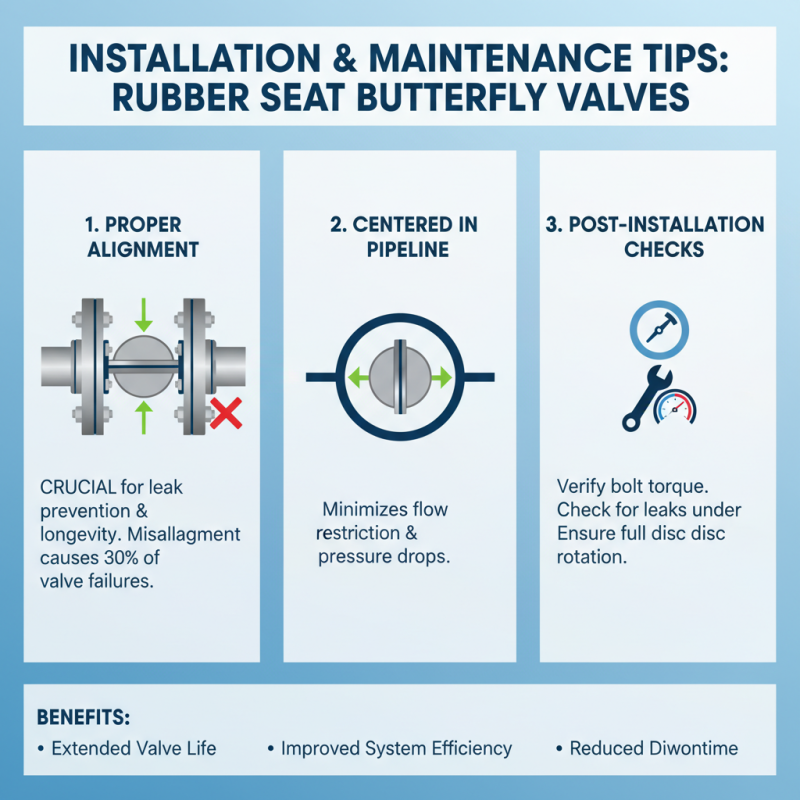
When installing rubber seat butterfly valves, consider the specific requirements of your system. Proper alignment during installation is crucial. Misalignment can lead to leaks and early wear. Reports indicate that 30% of valve failures stem from improper installation techniques. Ensuring that the valve is centered in the pipeline minimizes flow restrictions and related pressure drops.
Maintenance is equally important. Regular inspections can prevent major failures. Check for signs of wear, especially on the rubber seats. Industry studies show that rubber seal degradation can reduce valve efficiency by 20%. Simple actions, like cleaning the valve and lubricating the stem, can extend its life significantly. Be mindful that neglecting maintenance could lead to costly replacements and system downtimes.
Engaging with specialists for maintenance tips is vital. There are nuances in handling different valve types and environments. Also, remember to document any changes or repairs. This practice aids future troubleshooting. Balancing routine checks with operational demands can be challenging. Reflect on your current practices and identify areas for improvement to enhance valve longevity.
Applications and Industries Commonly Using Rubber Seat Butterfly Valves
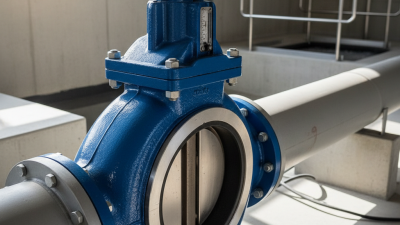
Rubber seat butterfly valves are widely used in various industries due to their versatility. These valves are ideal for controlling the flow of liquids and gases. They are commonly found in water treatment plants. Their lightweight design makes installation simpler, but this can lead to overlooked support needs.
In agriculture, these valves ensure efficient irrigation. They can regulate water flow effectively. The rubber seat creates a reliable seal, minimizing leaks. However, users sometimes underestimate the maintenance required. Failing to check wear levels may lead to performance issues over time.
In the chemical industry, these valves handle corrosive materials. They are chosen for their ability to resist harsh environments. Yet, compatibility with specific chemicals should always be assessed. Not considering this can lead to valve failure. A balance between cost and quality is crucial for long-term use.