request to quote
Leave Your Message

Top Digital Guide to Bubble Tight Butterfly Valve Buyers?

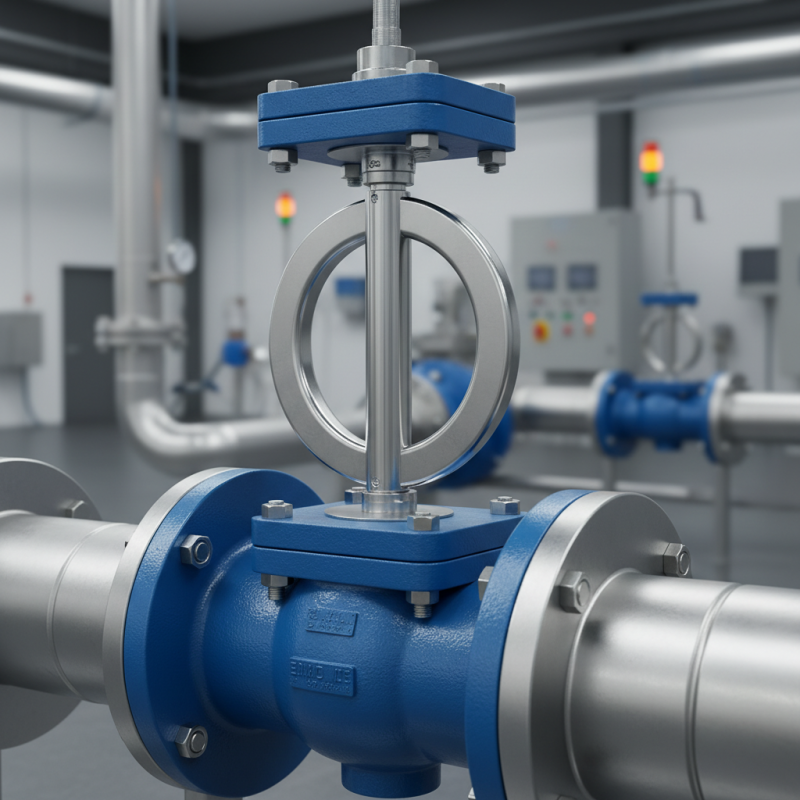
The Bubble Tight Butterfly Valve is a crucial component in many industries. It is designed to provide a tight seal that prevents leakage. This valve type is essential for applications where precision and reliability are paramount.

When selecting a Bubble Tight Butterfly Valve, buyers must consider various factors. These include materials, size, and pressure ratings. A well-chosen valve can enhance system efficiency and reduce maintenance costs. However, the market is filled with choices, making decisions challenging.

Buyers should rely on industry expertise and data when choosing this valve. Consulting trusted suppliers can offer valuable insight. Each application requires a tailored approach, highlighting the importance of thorough research. The right decision can lead to significant operational improvements in the long run.
Top Digital Guide to Bubble Tight Butterfly Valve Buyers?

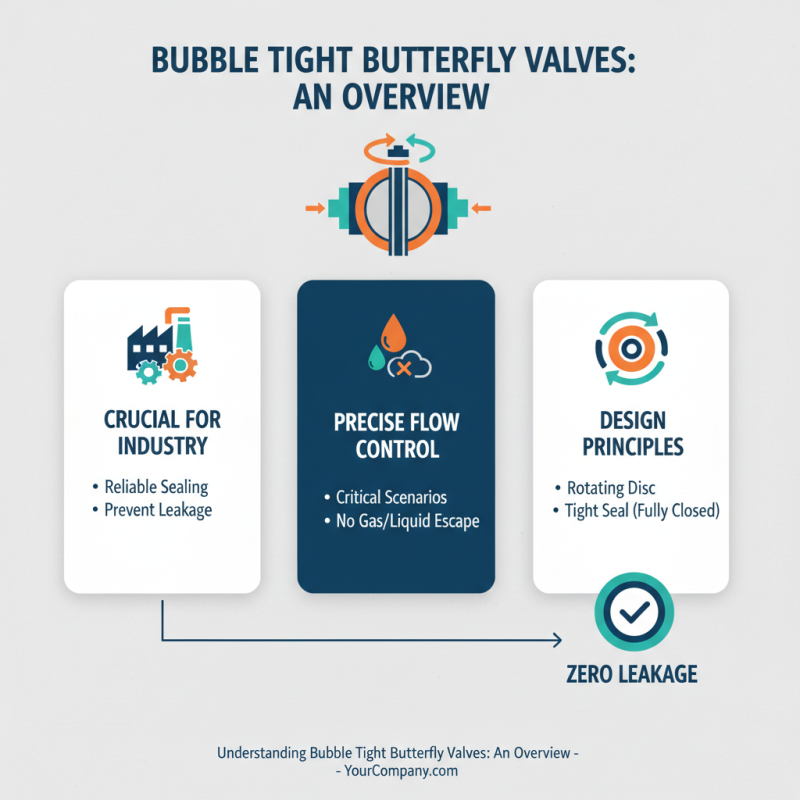
Understanding Bubble Tight Butterfly Valves: An Overview

Top Digital Guide to Bubble Tight Butterfly Valve Buyers?

Bubble tight butterfly valves are crucial for many industrial applications. They provide reliable sealing to prevent leakage. This is particularly important in scenarios requiring precise flow control. The design of these valves typically features a disc that rotates to open or close the flow path. When fully closed, they create a tight seal, effectively preventing any gas or liquid escape.

Many buyers may overlook the importance of material selection. Choosing the right materials can significantly affect performance and lifespan. For instance, corrosion-resistant materials can enhance durability in harsh environments. Moreover, the installation process is often underestimated. Improper installation can lead to performance issues and unnecessary maintenance costs.

Another aspect to consider is the maintenance requirements. While bubble tight butterfly valves are relatively low maintenance, regular checks are essential. This ensures the seal's integrity remains intact over time. Users often find themselves unprepared for such upkeep. A proactive approach can mitigate these challenges and improve valve performance in the long run.
Key Features to Look for in Bubble Tight Butterfly Valves

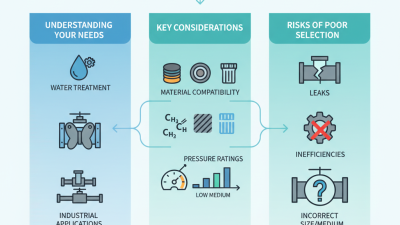
When selecting bubble tight butterfly valves, several key features should be prioritized. First, look for high-quality sealing mechanisms. A robust seal ensures minimal leakage, enhancing reliability in various applications. Check if the valve has a resilient seat material. This can withstand wear and provide a tight seal over time.

Next, consider the valve's construction material. Choose materials that resist corrosion and wear. Stainless steel options are often favored for their durability. Furthermore, pay attention to the valve's design. A streamlined flow path minimizes pressure drop, optimizing performance in fluid handling systems.

Ease of maintenance is another crucial aspect. Valves that allow for quick inspections and repairs can save time and resources. Ensure that installation is straightforward as well. Complex configurations can lead to installation errors, affecting overall efficiency. Balancing these features can often reveal potential shortcomings or areas for improvement in existing systems.

Key Features to Look for in Bubble Tight Butterfly Valves

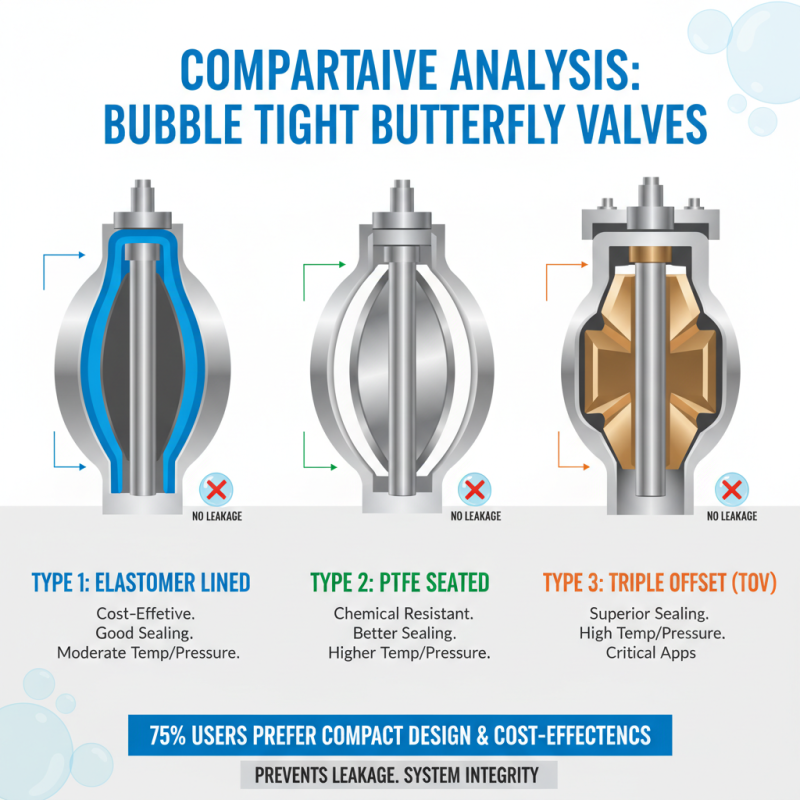
Comparative Analysis: Different Types of Bubble Tight Butterfly Valves

Top Digital Guide to Bubble Tight Butterfly Valve Buyers?

Bubble tight butterfly valves have become essential in various industries. These valves are known for their effective sealing capabilities. They prevent leakage and ensure system integrity. According to a recent industry report, over 75% of users prefer butterfly valves for their compact design and cost-effectiveness. However, not all butterfly valves offer the same level of bubble-tight performance.

Different types of bubble tight butterfly valves include rubber-seated, metal-seated, and resilient-seated variants. Rubber-seated valves are common in low-pressure applications. They provide excellent sealing at lower costs. On the other hand, metal-seated valves are preferred for high-temperature and high-pressure environments. They can withstand harsher conditions but may require more maintenance. A survey conducted in 2022 indicated that 60% of facilities faced challenges in valve selection due to varying operational conditions.

When choosing a bubble tight butterfly valve, consider factors such as material, pressure ratings, and application environment. A clear understanding of these elements is crucial. Overlooking any detail can lead to system failures or inefficiencies. In some cases, switching from a resilient-seated valve to a metal-seated model improved performance by 30%. Yet, the transition must be carefully evaluated. Proper testing and analysis are imperative to ensure long-term reliability and effectiveness.

Essential Considerations When Purchasing Bubble Tight Butterfly Valves

When purchasing bubble tight butterfly valves, buyers must consider several key factors. These valves typically provide a tight seal, minimizing leakage. According to a market report, an estimated 75% of industries prefer these valves for critical applications. This includes oil and gas, water treatment, and chemical processing.

Material selection is crucial. Butterfly valves can be made from various materials like stainless steel, plastic, or cast iron. The right choice depends on the specific application and media handled. Detailed studies indicate that the wrong material can lead to significant operational issues. Users often face unanticipated wear and tear, which highlights the importance of consulting with experts during selection.

Another important consideration is valve size and pressure rating. Proper sizing ensures efficient flow control. Recent industry analyses suggest that up to 30% of valve failures stem from improper sizing. This reflects the lack of attention to sizing, emphasizing a need for careful measurement and calculations before purchase. Ultimately, investing time in research and expert consultations can prevent costly mistakes and enhance overall operational efficiency.

Top Manufacturers and Brands of Bubble Tight Butterfly Valves

Choosing the right bubble tight butterfly valve is crucial for various applications. This valve type is designed to prevent leaks and ensure optimal flow control. In the marketplace, several leading manufacturers offer reliable choices. Their experience in the field guarantees that their products meet high-quality standards.

When browsing options, consider factors like material and design. Various materials like stainless steel and plastic are available. Each has unique properties that suit different environments. Ensure that the valve's construction supports your specific needs. Some manufacturers focus on innovations, while others emphasize durability.

Reputation matters when selecting a supplier. Research their history and customer feedback for insights. Pay attention to product warranties and after-sales support. These factors can significantly impact your long-term satisfaction. Keep in mind that not every manufacturer excels in every area. Being informed allows you to navigate these options thoughtfully.

Top Digital Guide to Bubble Tight Butterfly Valve Buyers

Dimension Material Pressure Rating (psi) Temperature Range (°C) End Connection Type
2 inch Stainless Steel 150 -20 to 200 Wafer
3 inch Carbon Steel 200 -10 to 150 Lug
4 inch PVC 75 0 to 60 Socket
6 inch Ductile Iron 300 -10 to 180 Flanged