What is Dismanlting Joint and How is it Used in Procurement?
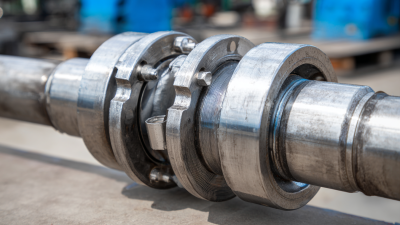
In the world of procurement, understanding various components is crucial. One such component is the "Dismanlting Joint." This term may sound technical, but its significance is clear. A Dismanlting Joint is designed to facilitate easy assembly and disassembly of structures, often used in piping and mechanical systems.
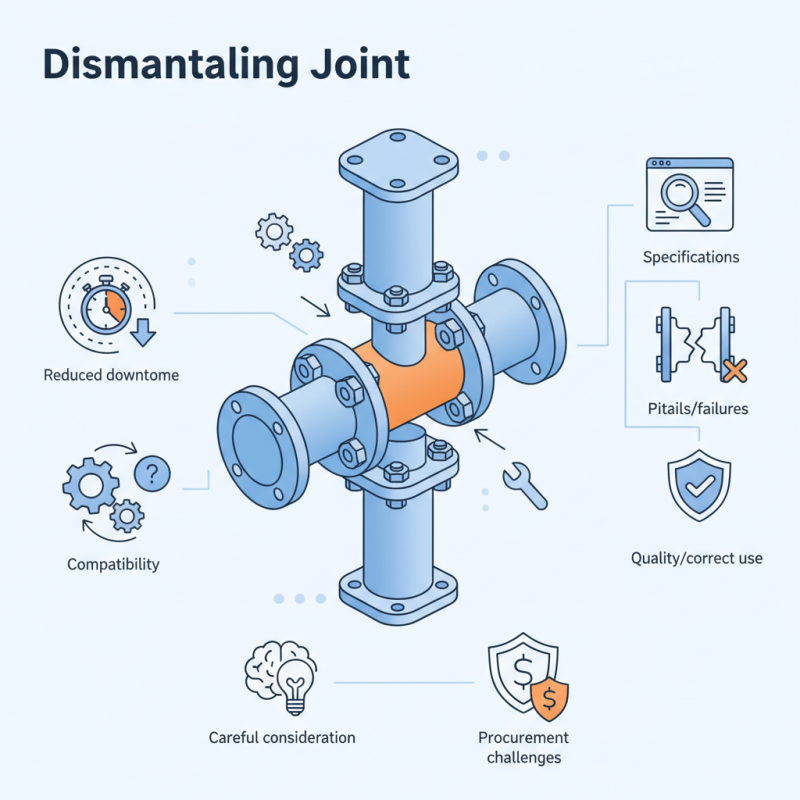
These joints enhance flexibility in design and maintenance processes. They allow for quick repairs and replacements, reducing downtime. However, the effectiveness of a Dismanlting Joint depends on proper installation and selection, which can be more complex than it seems. Ensuring compatibility with existing systems is essential.
It's important to recognize potential pitfalls in their use. Overlooking the specifications can lead to failures. Understanding the challenges involved in procuring quality Dismanlting Joints is vital for any procurement professional. This tool can be invaluable when used correctly, but it requires careful consideration of its applications and limitations.
What is a Dismanlting Joint in Procurement?
Dismantling joints play a crucial role in procurement, especially in industries like construction and manufacturing. These components allow for the easy disassembly of machinery and structures. According to a report by the European Construction Industry Federation, up to 30% of construction delays are linked to equipment access issues. Dismantling joints mitigate these challenges by simplifying maintenance and repair tasks.
In procurement, the selection of a dismantling joint must consider material quality and load requirements. The right choice can enhance a system's longevity and reliability. Research from the American Society of Mechanical Engineers shows that proper joint installation can reduce maintenance costs by up to 25%. However, buyers often overlook the long-term benefits in favor of initial cost savings, leading to regrets down the line.
Practitioners must ensure compliance with industry standards when sourcing dismantling joints. There is a tendency to underestimate the variance in quality among suppliers. Disregarding this can result in issues that compromise safety and performance. Continuous assessment and adaptation are fundamental in procurement to align choices with evolving project requirements.
The Role of Dismanlting Joints in Supply Chain Management
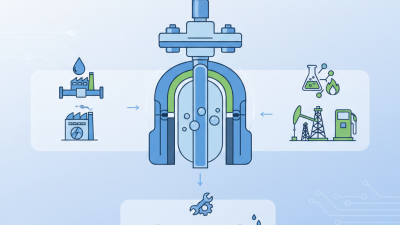
Dismantling joints play a critical role in supply chain management. These specialized connections allow for the easy assembly and disassembly of piping systems. Such flexibility is essential in industries that demand frequent maintenance and upgrades. In recent years, the global market for dismantling joints has witnessed significant growth, with industry reports indicating a compound annual growth rate (CAGR) of 6.5% from 2021 to 2026. This growth reflects the increasing demand for efficient and adaptable systems in sectors such as water supply and wastewater management.
Procurement teams should prioritize dismantling joints as they enable effective asset management. The ability to replace or upgrade components without extensive downtime can lead to significant cost savings. According to a report by the International Water Association, improper maintenance can increase system downtime by 25%, negatively impacting operational efficiency and customer satisfaction. Dismantling joints minimize this risk, ensuring that supply chain operations run smoothly.
However, reliance on dismantling joints requires careful consideration. Not all joints are created equal; quality and compatibility are crucial for optimal performance. Poor choices can lead to leaks or failures, resulting in costly repairs and extended downtime. Organizations must evaluate their needs and consult with experts in the field to make informed procurement decisions. Balancing quality with cost is often a challenge and should not be overlooked.
What is Dismanlting Joint and How is it Used in Procurement? - The Role of Dismanlting Joints in Supply Chain Management
| Dimension |
Description |
Use Cases |
Benefits |
| Material |
Typically made from ductile iron or cast iron. |
Used in pipelines for water, gas, or oil. |
Durability and resistance to corrosion. |
| Sizes |
Available in various sizes to fit different pipeline dimensions. |
Facilitating connections between pipelines of different diameters. |
Flexibility in design and installation. |
| Types |
Includes standard and adjustable dismantling joints. |
Allows for maintenance and repairs without removing major components. |
Cost-effective maintenance solutions. |
| Installation Ease |
Designed for quick and efficient installation and removal. |
Useful in locations requiring frequent access. |
Reduces downtime and labor costs. |
| Adjustment Mechanism |
Features bolts for tightening and alignment adjustments. |
Allows for alignment during installation, ensuring proper functioning. |
Enhances operational efficiency and pipeline integrity. |
Key Benefits of Using Dismanlting Joints in Procurement Processes
Dismantling joints are critical components in procurement processes. They facilitate the maintenance and repair of pipelines without needing to disturb the entire system. These joints allow for easy disassembly, which is crucial for minimizing downtime during repairs.
The key benefits of using dismantling joints in procurement include improved efficiency and cost savings. By enabling better access to valves and other equipment, they reduce the labor required for maintenance. This translates to lower operational costs. In many cases, the need for extensive modifications to existing infrastructure is also eliminated, providing an effective solution for retrofitting projects.
However, it is essential to consider the long-term viability of dismantling joints. Sometimes, they can create unexpected challenges during installation. Sourcing high-quality materials is vital to ensure longevity and reliability. Suppliers with expertise in dismantling joints can provide valuable support, but not every supplier meets necessary standards. Evaluating their qualifications is crucial for a successful procurement process.
Industry Standards and Best Practices for Dismanlting Joints
Dismantling joints are crucial components in procurement. They facilitate the maintenance and disassembly of equipment without the need for extensive tearing down. These joints are designed to handle various types of stress and can accommodate both thermal expansion and movement. Understanding industry standards surrounding dismantling joints is essential for effective procurement strategies.
In practice, best practices include conducting thorough inspections of dismantling joints prior to purchase. Regular maintenance checks can prevent future failures. Collaboration with suppliers who adhere to recognized industry standards enhances reliability. Additionally, documentations concerning installation and operation are often overlooked but are vital. They ensure that users understand how to operate dismantling joints safely and effectively.
It’s important to note that not all dismantling joints are created equal. Variations in materials and designs can affect their performance in different environments. Buyers should be aware of the specific requirements for their applications. Relying solely on certifications may not guarantee suitability for unique operational conditions. Understanding these subtleties can improve procurement decisions and reduce future complications.
Case Studies: Successful Implementation of Dismanlting Joints
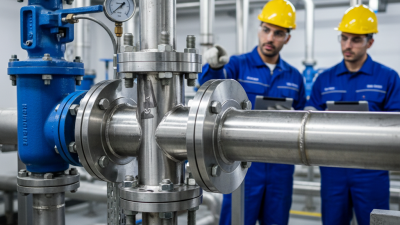
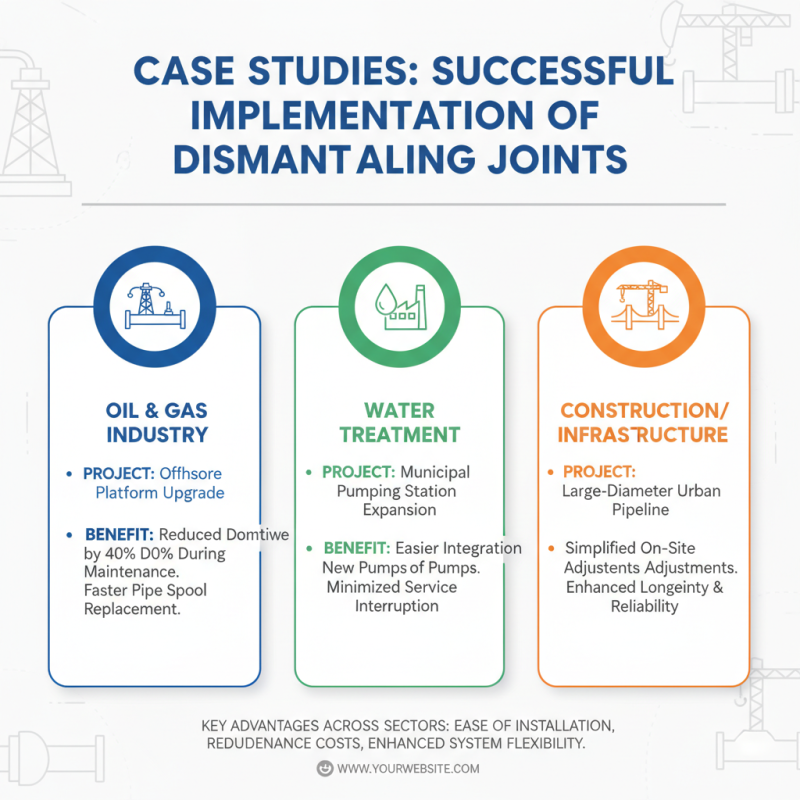
Dismantling joints are specialized components in procurement used to facilitate easy assembly and disassembly of piping systems. They offer a practical solution for maintenance and repair in various industries, such as oil and gas, water treatment, and construction. Understanding case studies of successful implementation can provide valuable insights into their effectiveness.
For instance, in the oil industry, a major company implemented dismantling joints to reduce downtime during pipeline maintenance. The result was a significant decrease in costs and an increase in operational efficiency. Another example includes a city upgrading its water supply system. Using dismantling joints, the city achieved seamless transitions during maintenance work, minimizing disruption to residents.
**Tip:** When considering dismantling joints, focus on the alignment and sealing capabilities of each model. This directly impacts performance. Regular assessment of systems using dismantling joints can also prevent potential failures. Don't overlook the installation process; even small errors can lead to significant issues down the line. Always document any challenges faced during implementation for future reference.