Best Ductile Iron Butterfly Valve Benefits and Applications?
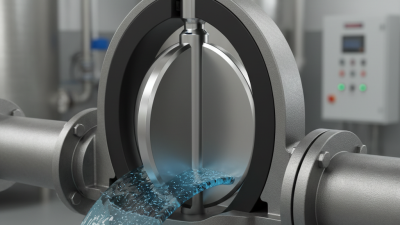
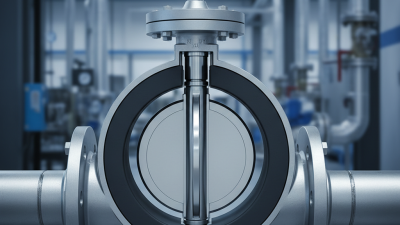
The Ductile Iron Butterfly Valve stands out in various industrial applications. Its versatility and strength make it a preferred choice for controlling flow in pipelines. These valves are designed to withstand high pressures and temperatures, providing reliability in critical systems.
In water treatment plants, a Ductile Iron Butterfly Valve ensures smooth operation. Its lightweight yet robust construction allows for easy installation and maintenance. The unique design offers minimal turbulence, reducing energy costs and enhancing efficiency. However, improper installation can lead to leaks, which is a concern.
Fire protection systems also benefit from these valves. A Ductile Iron Butterfly Valve allows for quick shut-off during emergencies. Its reliable sealing protects against fire hazards. Yet, operators must regularly check for wear. Ensuring optimal performance requires attention and care. In the industrial landscape, the advantages are clear, but there’s always room for improvement.
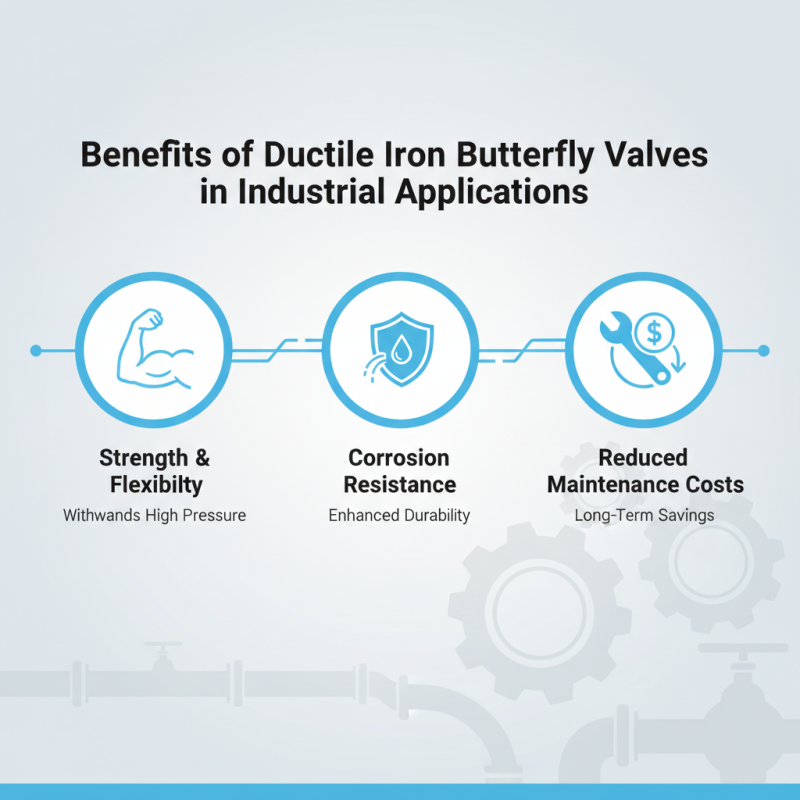
Benefits of Ductile Iron Butterfly Valves in Industrial Applications
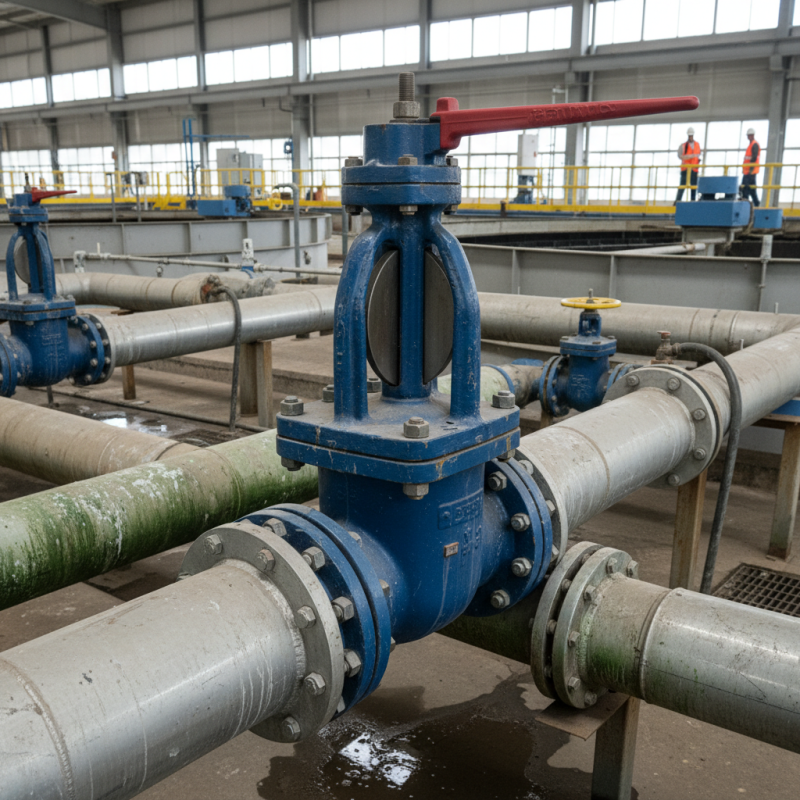
Ductile iron butterfly valves are gaining popularity in various industrial applications. Their unique properties make them a reliable choice. These valves exhibit excellent strength and flexibility. This combination allows them to withstand high-pressure systems without failure. In addition, their corrosion resistance enhances their durability. This longevity reduces maintenance costs over time.
In industries such as water treatment, these valves play a crucial role. They efficiently control flow in pipelines, ensuring smooth operation. Many facilities choose ductile iron for their improved sealing capabilities. However, it’s essential to ensure proper installation and regular inspections. This helps prevent potential leaks or operational issues. While ductile iron valves are robust, environmental factors can still impact their performance.
Another area where these valves excel is in the chemical industry. Their ability to handle various substances safely is crucial for preventing leaks. However, they are not invincible. Regular training for operators is vital. Misuse can lead to accidents or equipment failure. The benefits of these valves are clear, but attention to detail is necessary to maximize their potential.
Key Features of Ductile Iron Used in Butterfly Valve Manufacturing
Ductile iron is increasingly favored in the manufacturing of butterfly valves due to its unique properties. This material can withstand high stress and impacts, making it durable in various applications. According to a report by the American Foundry Society, ductile iron’s tensile strength is significantly higher than that of traditional cast iron. This allows for thinner walls without compromising strength, enhancing efficiency in valve design.
One key feature of ductile iron is its excellent corrosion resistance. Coatings can enhance longevity, while its inherent properties reduce maintenance costs. With a higher elasticity, ductile iron can absorb shock better, which is critical in high-pressure systems. This behavior is critical for valves used in water treatment facilities and chemical processing.
However, there are challenges. The casting process can be sensitive, leading to defects if not managed properly. Regular inspections are necessary to ensure performance meets industry standards. Recent studies indicate that over 15% of components may have minor casting flaws, which could affect the overall reliability of the valve. Understanding these risks is essential for all stakeholders involved in the production and application of ductile iron butterfly valves.
Comparative Analysis: Ductile Iron vs. Other Materials for Butterfly Valves
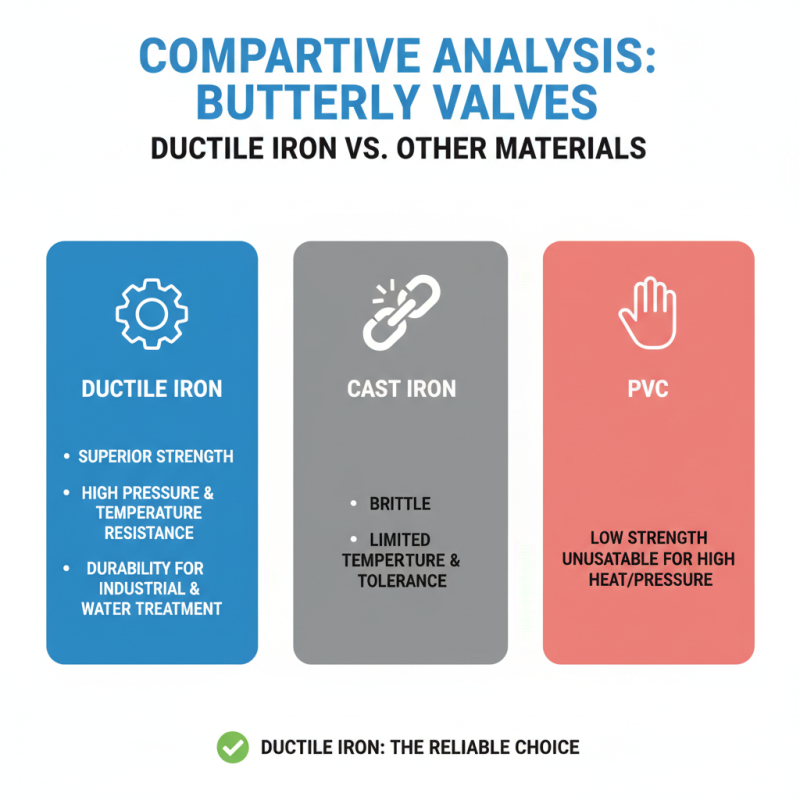
Ductile iron butterfly valves offer unique advantages compared to valves made from other materials. Their strength and durability make them ideal for various applications. Unlike cast iron or PVC, ductile iron can withstand high pressure and temperature. This quality allows for use in industrial piping systems and water treatment facilities.
However, not all scenarios fit ductile iron. For instance, in highly corrosive environments, stainless steel often performs better. While ductile iron provides good wear resistance, it may require coatings for added protection. There are cases where PVC or composite materials are lighter and easier to install.
Choosing the right valve material hinges on multiple factors. Cost, environmental conditions, and the specific application matter significantly. Balancing these elements can be challenging. Ultimately, understanding the benefits and limitations of ductile iron will help make informed decisions.
Performance Metrics and Longevity of Ductile Iron Butterfly Valves
Ductile iron butterfly valves are known for their robust performance metrics. They are often chosen for their excellent pressure handling capabilities. These valves can withstand high pressure and temperature ranges, making them ideal for various applications. Their lightweight construction allows for easy installation and maintenance, reducing downtime. However, there can be concerns about corrosion in specific environments. Proper coating and maintenance are essential to enhance longevity.
In terms of longevity, ductile iron butterfly valves can last for many years if maintained properly. Regular inspections help identify wear or defects early. Many users report that neglecting maintenance leads to premature failures. The use of quality sealing materials can also influence the lifespan. Over time, seals may degrade, causing leaks and inefficiencies. It’s essential to consider the operating environment when assessing valve life.
Choosing the right valve is not just about performance. It’s essential to analyze the specific needs of your system. Cost may be tempting, but cheaper options often lead to higher maintenance costs later. Reflecting on these factors can save time and money in the long run. Consider investing in reliable solutions that meet your operational needs.
Common Applications of Ductile Iron Butterfly Valves in Various Industries
Ductile iron butterfly valves are essential in many industries. They provide reliable flow control in various applications. You can find them in water treatment plants and wastewater systems. Their strength allows them to operate under high pressures and temperatures. This gives industries the confidence to use them in critical settings.
In the chemical industry, these valves handle corrosive materials. Their resistance to chemicals makes them a preferred choice. They can maintain tight seals, which reduces leaks significantly. In power generation, they manage steam and water flow efficiently. However, installation can sometimes be tricky. Correct alignment is crucial for optimal performance. If not done right, it could lead to premature wear.
Food and beverage facilities also employ ductile iron butterfly valves. They ensure hygienic processing of liquids. A well-maintained valve supports product quality. Yet, regular inspections are necessary to avoid potential issues. Sometimes, neglecting maintenance can result in costly downtime. Careful monitoring is key to maximizing the benefits these valves offer.
Best Ductile Iron Butterfly Valve Benefits and Applications