Essential Tips for Sourcing Pn25 Butterfly Valve Strategies?
In the dynamic world of industrial valves, the Pn25 Butterfly Valve has gained significant attention. According to the latest industry report from Global Valves Insights, the Pn25 Butterfly Valve market is projected to grow by 6% annually through 2025. This surge highlights the valve's crucial role in various applications, from water treatment to chemical processing.
Industry expert Dr. Lisa Thompson emphasizes the importance of sourcing quality Pn25 Butterfly Valves. She states, "Selecting the right Pn25 Butterfly Valve is critical for ensuring operational efficiency and safety." Her insights remind professionals that sourcing strategies require careful consideration of suppliers' reliability and product standards.
Despite their popularity, challenges exist. Not all suppliers adhere to stringent quality controls. Many manufacturers have inconsistent production practices. Therefore, developing a robust sourcing strategy for Pn25 Butterfly Valves that emphasizes transparency and reliability is essential for success in this competitive market. Always prioritize expert guidance and comprehensive research.
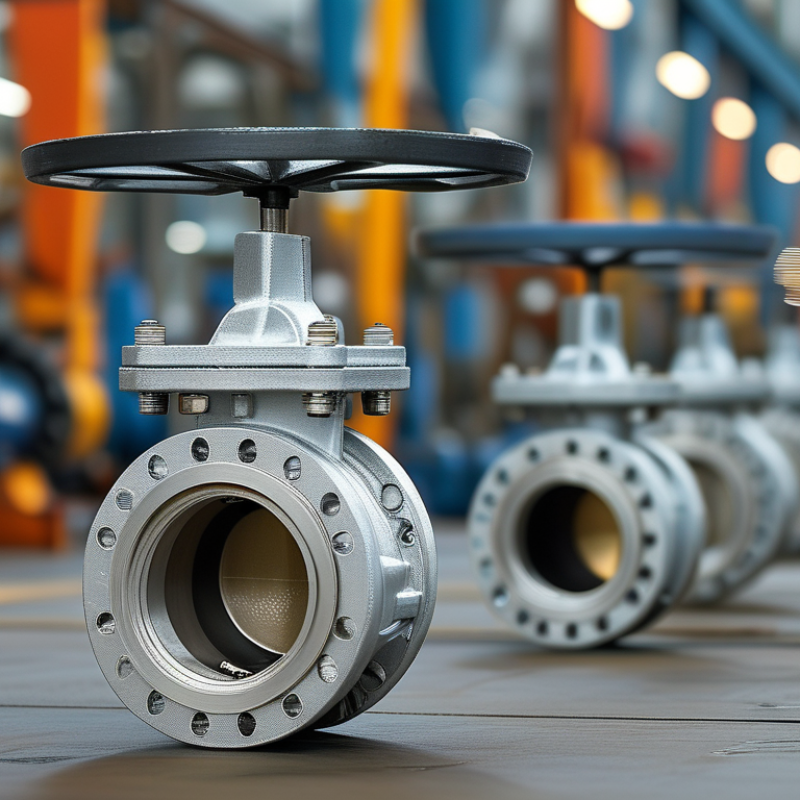
Understanding Pn25 Butterfly Valve: Key Specifications and Features
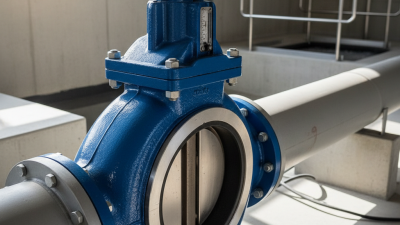
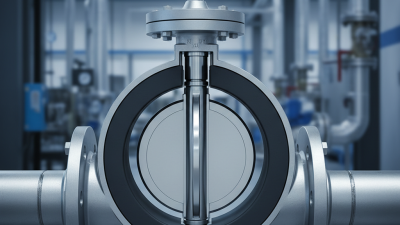
When considering Pn25 butterfly valves, it's crucial to understand their key specifications and features. These valves are designed to handle pressures up to 25 bar. This ability makes them suitable for water, gas, and steam applications. The construction typically includes a disc that rotates in the flow path. This rotation facilitates easy on-off control, allowing for efficient operation.
The body material often varies, impacting durability and resistance to corrosion. Common materials include stainless steel and ductile iron. The choice of material should align with the specific environment where the valve will be used. Flanged ends are standard in many designs, enabling simpler installation. However, improper installation can lead to leaks or failures.
Despite their efficiency, users need to consider potential issues. Over time, wear and tear may result in reduced performance. Regular maintenance is essential to ensure they operate effectively. Users sometimes overlook this aspect, leading to unexpected downtimes. Understanding these elements can significantly impact the valve's lifespan and functionality in a long-term setting.
Essential Tips for Sourcing Pn25 Butterfly Valve Strategies
| Specification |
Value |
| Nominal Size |
2" to 12" |
| Pressure Rating |
PN25 |
| Body Material |
Ductile Iron |
| Disc Material |
Stainless Steel |
| Temperature Range |
-10°C to 100°C |
| Connection Type |
Flanged |
| Actuation Type |
Manual / Electric |
| Applications |
Water Supply, HVAC, Chemical Processing |
Identifying Reliable Suppliers for Pn25 Butterfly Valves
Identifying reliable suppliers for PN25 butterfly valves is crucial for any industrial project. The global demand for butterfly valves is expected to reach $10 billion by 2025, according to a recent industry report. This growth underscores the importance of sourcing quality valves from trustworthy partners.
When searching for suppliers, start with an assessment of their certifications. Look for ISO 9001 compliance as it indicates rigorous quality management systems. A supplier's experience in the market is also essential. Companies that have operated for over ten years often possess better technical knowledge.
Tips: Engage with suppliers to understand their manufacturing processes. Ask about testing procedures for the PN25 valves, as this reflects their commitment to quality. Another valuable approach is to request customer testimonials. Satisfied customers can provide insights into the supplier’s reliability.
Ensure transparency regarding pricing and lead times. Unexpected costs can derail a project. Additionally, visit suppliers if possible. A facility tour can reveal valuable information about their operations. Remember, the right supplier partnership can lead to more efficient projects. However, don't hesitate to rethink your choices if issues arise. Regular evaluations of supplier performance are key to maintaining quality.
Evaluating Quality Standards and Certifications in Valve Sourcing
When sourcing PN25 butterfly valves, quality standards and certifications are crucial. These guidelines ensure the valves meet specific performance and safety criteria. It’s essential to verify whether the manufacturer complies with international standards, such as ISO and ASME. Documents like these provide assurance of a product's durability and reliability.
Some certifications might be easy to obtain but lack real substance. Manufacturers might claim compliance without rigorous inspections. It’s important to research and ask for verification from independent bodies. Countless companies prioritize profits over actual quality.
Moreover, the manufacturing processes can greatly impact overall valve quality. It's advisable to visit facilities and observe production methods firsthand. Not all suppliers will allow such visits, raising potential red flags. Trust but verify—ensure the supplier can provide documented proof of their certifications and quality control processes. You may want to conduct a third-party audit. This level of diligence helps mitigate risks and ensures you’re investing in long-lasting products.
Cost Analysis: Making Sense of Pricing for Pn25 Butterfly Valves
When it comes to sourcing PN25 butterfly valves, understanding the pricing structure is crucial. The cost analysis starts with material selection. Different materials, such as stainless steel or cast iron, significantly impact price. Additionally, consider the valve's size and design complexity. Larger valves with intricate designs tend to be more expensive.
Moreover, labor costs can vary based on where the valve is manufactured. Domestic production often incurs higher labor expenses compared to overseas options. However, lower prices from international suppliers may lead to quality concerns. Always assess the risk of sourcing from less reliable manufacturers.
Price negotiation plays a vital role too. Many suppliers are open to discussions, especially for bulk orders. Building relationships with vendors can result in better terms. However, remember that the cheapest option is not always the best. Balancing price with quality ensures long-term reliability and performance in your applications.
Best Practices for Comparing Different Pn25 Butterfly Valve Options
When comparing different Pn25 butterfly valves, consider several key factors. Look at the materials used in construction. Common options include stainless steel and ductile iron. Each material offers unique benefits. Stainless steel is known for its corrosion resistance. Ductile iron provides strength under pressure. Assess the specific needs of your application before making a choice.
Another crucial aspect is the valve's design. Check for features like the seat design and sealing method. These details can impact performance and longevity. Valves with reliable sealing options can minimize leakage. This is essential for maintaining efficiency. Don’t overlook the size and compatibility with existing systems. Measure accurately to avoid fitting issues.
Quality is vital. Research the manufacturer’s reputation. Look for certifications that indicate compliance with industry standards. User reviews can provide additional insights. However, always approach them critically. Sometimes, feedback can reflect personal preferences rather than overall quality. Evaluate both positive and negative comments to get a balanced view. Your choice will influence not just performance but safety as well. Choosing wisely is paramount.