2026 How to Select the Right Pn16 Butterfly Valve?
Choosing the right Pn16 Butterfly Valve is crucial for any fluid control system. The right valve ensures efficiency, reliability, and safety in various applications. With many options available, it's essential to understand the features and specifications that best suit your needs.
One should consider factors like material, size, and pressure rating. Each valve type has unique advantages and potential drawbacks. For instance, failure to select the correct Pn16 Butterfly Valve could lead to leaks or equipment damage, impacting operations.
In the world of mechanical design, experience and knowledge play vital roles. Experts often recommend examining supplier credibility and customer reviews before making a decision. Reflecting on past experiences, a well-informed choice can lead to long-term benefits. Be mindful of industry standards as they guide effective selection, promoting system integrity.
Understanding Pn16 Butterfly Valve Specifications and Standards
When selecting a PN16 butterfly valve, understanding its specifications is crucial. The PN16 rating indicates the maximum pressure the valve can handle, which is 16 bar (approximately 232 psi). This allows for reliable performance in various applications, especially in water and gas systems. A well-chosen valve ensures safety and efficiency, preventing leaks and flow issues.
Material choice is also essential. Common materials for these valves include stainless steel, bronze, and PVC. Each material offers different benefits based on corrosion resistance and temperature tolerance. Therefore, consider the specific environment where the valve will be used. An unsuitable material may lead to premature failure or costly maintenance.
Moreover, adhering to relevant standards is vital for performance and safety. Look for certifications that align with industry standards. Confirm that the valve meets European or ANSI standards for quality assurance. This assures reliability and durability in demanding conditions. Understanding these specifications not only enhances the selection process but also leads to better long-term outcomes in system performance.
Key Factors to Consider When Selecting a Pn16 Butterfly Valve
Selecting the right PN16 butterfly valve is crucial for ensuring system efficiency. Start by assessing the application it will serve. Consider factors like pressure, temperature, and fluid type. Each of these variables can significantly impact valve performance. For example, a valve designed for high temperatures might not perform well in colder conditions.
Material choice is another key consideration. Different environments may require varied materials for optimal performance. A valve made of carbon steel may corrode in harsh environments, while stainless steel offers better resistance. Always evaluate the environment in which the valve will operate. This can save costs in maintenance and replacement.
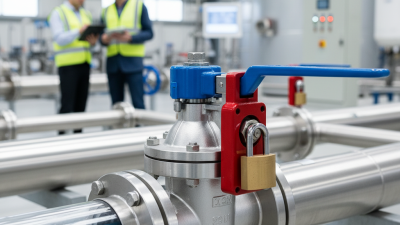
Installation and maintenance aspects should not be overlooked. Understanding the space constraints is important. Will the valve fit comfortably? Maintenance access is essential too. A valve that is challenging to reach will incur extra costs over time. A common mistake is underestimating these logistical details. Investing time in planning can lead to long-term reliability and saved resources.
Comparing Materials and Coatings for Pn16 Butterfly Valves
When selecting a Pn16 butterfly valve, material and coating choices are paramount. Common materials include cast iron, stainless steel, and plastic. Each type has unique properties that influence performance and durability. For instance, stainless steel resist corrosion and is ideal for demanding environments. Cast iron offers strength but may not perform well in hostile conditions. Understanding these materials is vital for effective decision-making.
Coatings are equally significant, enhancing the valve's lifespan. Epoxy and Teflon coatings provide chemical resistance, reducing wear and tear. A properly coated valve can withstand extreme conditions. However, issues may arise if the coating is applied improperly, leading to premature failure. Customers should look for reliable testing procedures to ensure the coating meets quality standards. This attention to detail is crucial in minimizing future maintenance needs.
Selecting the right materials and coatings is a nuanced process. A thorough understanding of environmental factors can guide choices better. Always consider not just the immediate need but also long-term implications. Failure to choose wisely could result in leaks and inefficiencies. Thus, understanding these aspects ensures better functionality and durability in the long run.
Assessing the Design and Size Requirements for Pn16 Butterfly Valves
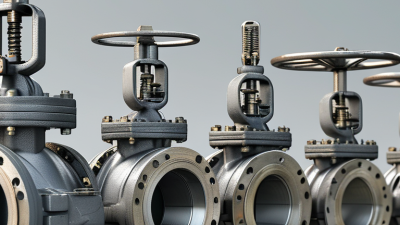
When selecting a PN16 butterfly valve, understanding design and size requirements is crucial. The valve's design should accommodate the intended application, whether for water, gas, or other fluids. Pay attention to the connection types, such as flanged or wafer designs. Each type has its strengths depending on installation requirements.
Size requirements also play a vital role. Measure the pipe diameter accurately. A valve that is too small can restrict flow, while one that is too large may not seal effectively. Consider the flow rate and pressure conditions in your system. These factors impact both performance and reliability.
Tips: Always consult with engineering specifications. Don't ignore the importance of proper installation. Misalignment can lead to operational issues. Regular maintenance checks can prevent unexpected failures. Make a checklist of your requirements before purchasing to ensure you select a valve that meets your needs.
Evaluating Performance and Maintenance of Pn16 Butterfly Valves
When selecting the right PN16 butterfly valve, performance and maintenance are crucial. A well-chosen valve ensures smooth operations. Various factors affect performance, such as the valve's design and materials. The size and pressure ratings also play a significant role in selection. Consider the specific application. Different environments can lead to varying performance levels.
Maintaining a PN16 butterfly valve is equally essential. Regular inspections can prevent leaks and malfunctions. Corrosion or wear can compromise the valve’s functionality. It is vital to schedule maintenance checks. This step minimizes unexpected downtime. Some users overlook valve maintenance, leading to bigger issues later. Even minor wear can affect flow rates.
Additionally, understanding the valve's mechanism helps in effective maintenance. Familiarizing yourself with how seals and discs operate can aid in troubleshooting. There might be a learning curve. Not every procedure is straightforward. Observing changes in flow or response times can provide valuable insights. Investing time in maintenance pays off in the long run.