What is a Large Size Butterfly Valve and How to Choose It?
In the realm of industrial applications, Large Size Butterfly Valves play a crucial role in fluid control. According to a report by Research and Markets, the global butterfly valve market is expected to grow significantly, driven by rising infrastructure projects. The demand for efficient and durable valve solutions is on the rise.
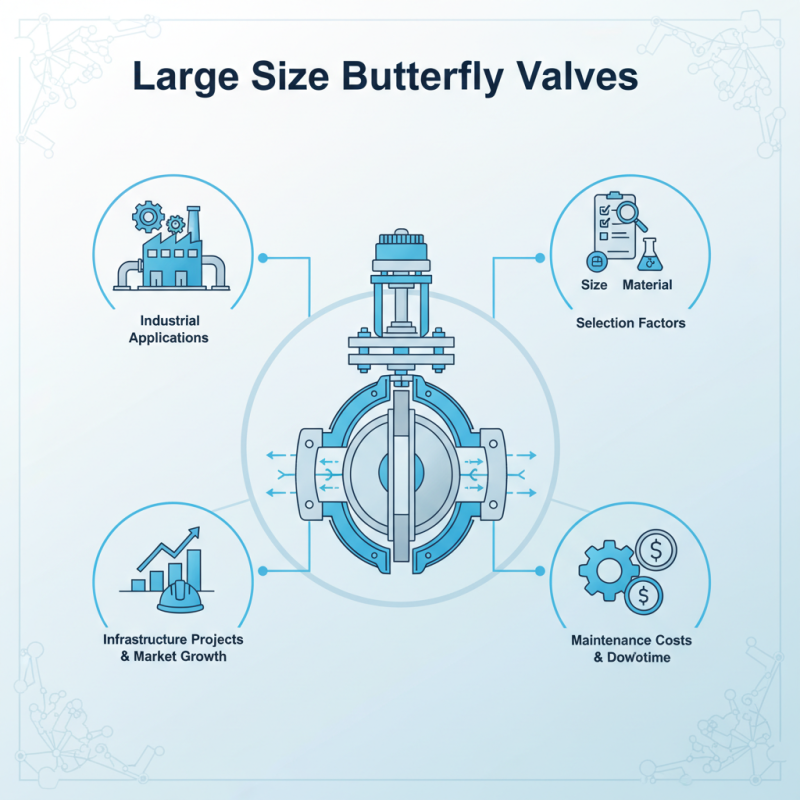
Industry expert Dr. Alan White, a leading authority on valve technology, asserts, "Choosing the right Large Size Butterfly Valve is essential for optimal performance in any plant operation." This highlights the importance of making informed decisions when selecting these valves. Various factors, such as size, material, and application, must be considered.
Another report by Global Market Insights indicates that incorrect valve selection can lead to increased maintenance costs and operational downtime. These challenges underscore the necessity of thorough research and expert consultations. While Large Size Butterfly Valves are efficient, each installation requires careful evaluation to prevent issues.
Understanding Large Size Butterfly Valves: Definition and Features
Large size butterfly valves are critical components in many industrial applications. They regulate the flow of substances through pipes. Typically, these valves are larger than 24 inches in diameter. Their design features a rotating disc that allows or restricts flow. This mechanism offers a quick response time and efficient operation. The construction materials often include steel or resilient rubber. This ensures durability, even under high pressure.
Choosing a large size butterfly valve requires careful consideration. Factors include application type, pressure, and temperature ratings. Knowing flow characteristics is vital. Not all valves perform equally in various situations. An improper selection can lead to leaks and inefficiencies. Consulting with experienced professionals can help avoid common pitfalls.
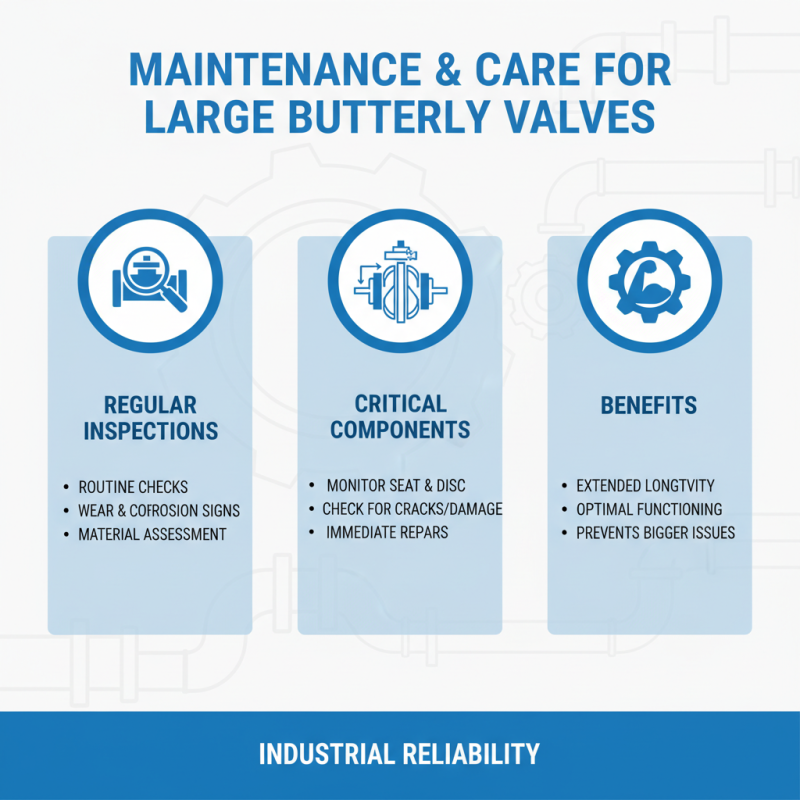
Installation is another critical aspect. Proper alignment and sealing are necessary. Misalignment can cause performance issues. Regular maintenance ensures valves operate at peak efficiency. Overall, understanding these components' features improves decision-making. A well-chosen butterfly valve enhances system reliability. In contrast, poor choices can result in costly downtime.
Applications of Large Size Butterfly Valves in Various Industries
Large size butterfly valves are crucial in many industries. They effectively control the flow of fluids in pipelines. This is especially important in water treatment, oil and gas, and power generation sectors. According to a recent industry report by Research and Markets, the global butterfly valve market is projected to grow significantly, reaching USD 12 billion by 2025.
In water treatment facilities, large butterfly valves regulate flow and pressure. They are essential for maintaining system efficiency. The oil and gas industry also relies on these valves. They handle high-pressure applications and corrosive environments. A study by Grand View Research highlights that the demand for large-size valves in oil refining is increasing due to infrastructure investments.
Tips: When choosing a large size butterfly valve, consider the material and pressure rating. Ensure the valve's design meets your specific application needs. Regular maintenance and inspection are vital for optimal performance. Choosing the right valve could save significant costs in the long run. However, sometimes the learning curve and adjustment to new technologies can be a challenge for teams.
What is a Large Size Butterfly Valve and How to Choose It? - Applications of Large Size Butterfly Valves in Various Industries
| Industry |
Application |
Typical Size Range (inches) |
Key Features |
| Water Treatment |
Flow regulation and isolation |
24-60 |
Corrosion resistance, easy maintenance |
| Oil & Gas |
Pipeline isolation |
30-72 |
High pressure tolerance, reliable sealing |
| Chemical Processing |
Flow control and mixing |
18-48 |
Chemical resistance, custom materials |
| Power Generation |
Cooling water systems |
36-84 |
Durability, low torque operation |
| HVAC |
Zone control |
12-48 |
Compact design, energy efficiency |
Key Factors to Consider When Choosing a Large Size Butterfly Valve
When selecting a large size butterfly valve, several key factors must be considered. The valve size should align with the system's flow requirements. According to industry data, valves that are too large can lead to flow turbulence, while those that are too small can restrict fluid movement. Choosing the correct size affects efficiency and operational costs.
Material selection is another critical aspect. Butterfly valves are typically made of metal, plastic, or a combination. The material must withstand the operational environment, including temperature and chemical exposure. A 2021 report highlighted that failure statistics show over 30% of valve issues stem from incorrect material choice. This emphasizes the importance of matching materials with application needs to avoid costly downtime.
Finally, consider the design and actuator type. The configuration of the butterfly valve must suit its intended application. For example, higher-pressure systems might require specific actuator types for optimal performance. A study indicated that improper actuator selection resulted in performance issues in over 25% of cases. Hence, understanding the application helps in choosing the right actuator, ensuring reliability and safety.
Comparison of Key Factors Affecting the Selection of Large Size Butterfly Valves
Common Challenges and Solutions in Using Large Size Butterfly Valves
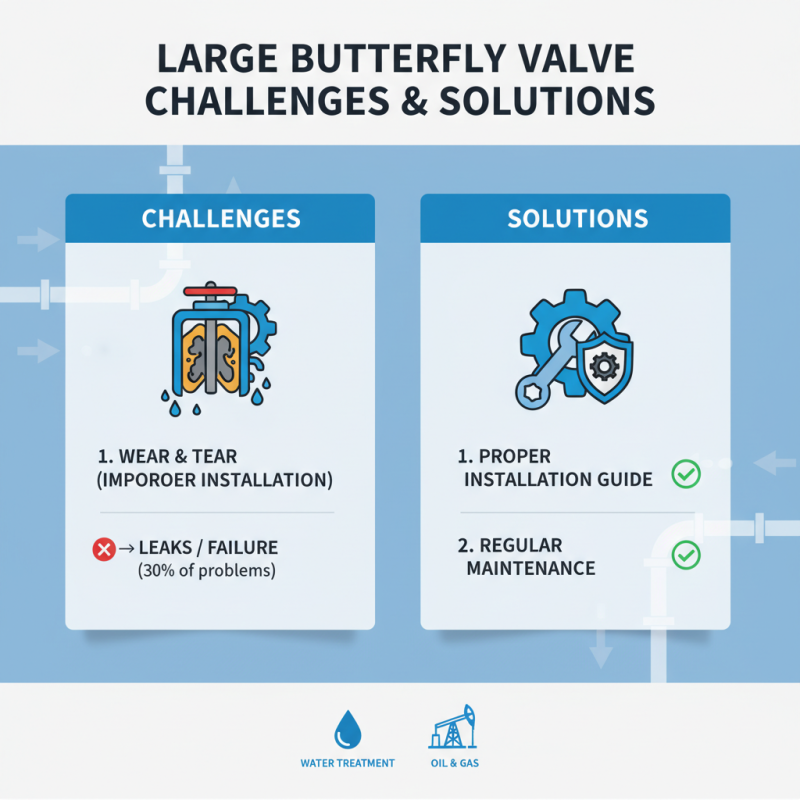
Large size butterfly valves are critical in various industries, including water treatment and oil and gas. They control flow and pressure in pipelines with efficiency. However, users often face common challenges. One prevalent issue is wear and tear due to improper installation, which can lead to leaks or valve failure. Studies indicate that poor installation practices account for nearly 30% of operational problems. Regular maintenance and a comprehensive installation guide can mitigate these risks.
Another challenge is the choice of materials. Many large valves may experience corrosion or chemical damage, especially in harsh environments. Research shows that nearly 40% of valve failures stem from material fatigue. Using high-performance materials can extend the valve's lifespan. Engineers should also consider the specific application when selecting a valve. For example, a valve in a corrosive environment requires materials that withstand such conditions.
Flow dynamics also play a critical role. Improper sizing can lead to cavitation or increased pressure drops. Inaccurate flow calculations can waste energy, leading to higher operational costs. Studies highlight that improperly sized valves increase energy consumption by up to 25%. Therefore, designing systems with accurate flow assessments is essential for optimal performance. Addressing these challenges with careful planning and selection ensures that large size butterfly valves operate effectively.