What Is a Rigid Type Dismantling Joint and Its Applications?
In the world of piping systems, a "Rigid Type Dismantling Joint" plays a crucial role. This component allows for easy assembly and disassembly of pipes, ensuring efficient maintenance. Kevin Lopez, an expert in pipeline technologies, states, "These joints are essential for reducing downtime during repairs."
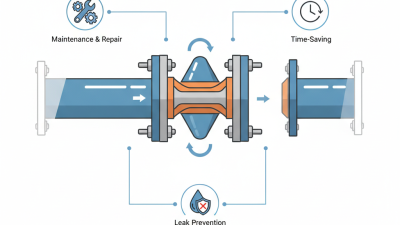
The rigid type dismantling joint offers a sturdy connection, minimizing movement under pressure. Its design enables quick access to internal components without damaging the system. This can save both time and money for operators. However, many users overlook maintenance schedules for these joints, leading to potential issues.
Applications of rigid type dismantling joints span various industries, from water treatment to industrial processes. They facilitate repairs and modifications, adapting to system changes. Without proper consideration, systems may face unexpected failures. Engineers must balance efficiency with thorough inspections to ensure reliability.
Definition and Characteristics of Rigid Type Dismantling Joints
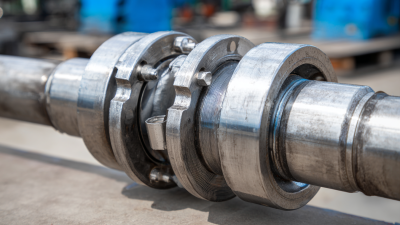
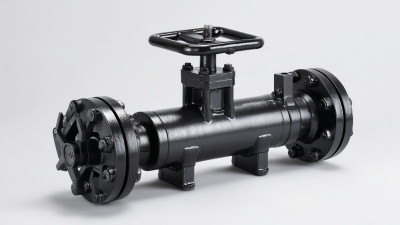
Rigid type dismantling joints are critical components in various industrial applications. They offer unique features that promote efficiency and safety. These joints ensure a secure connection while allowing for easy disassembly. This makes maintenance and repairs far less challenging.
One primary characteristic of rigid type dismantling joints is their structural integrity. They often withstand high pressures without compromising their performance. According to the Engineering Standards Institute, rigid joints can support loads up to 300% greater than standard fittings. This ability is crucial in industries like oil and gas, where equipment undergoes extreme stress. However, installation requires precise alignment. Poor installation can lead to failures and costly downtimes. This aspect must be addressed during the procurement and installation phases.
Additionally, these joints are often resistant to corrosion. Many are made from high-quality materials that extend their lifespan. However, not all environments will support these materials for the long term. An annual assessment of the joints is recommended to prevent unexpected failures. Reports from the Industrial Joint Commission indicate that proactive maintenance can reduce joint-related incidents by nearly 40%. Ensuring the longevity of these components is essential for system reliability.
Mechanisms and Design Features of Rigid Dismantling Joints
Rigid dismantling joints are essential in various mechanical and structural applications. They provide the ability to easily disassemble components without compromising the integrity of the overall system. The design of these joints typically includes features that allow for a secure, yet removable connection. These characteristics make them suitable for situations where maintenance and adjustments are required.
Mechanisms of rigid dismantling joints often involve key components such as pins or bolts. These features ensure that the joints maintain their rigidity while also being easy to disconnect. The precision of these components is crucial. If not designed properly, they can lead to misalignment, causing issues during reassembly. Additionally, the material selection plays a vital role in the effectiveness of these joints. Metal or composite materials are often favored for their strength and durability.
However, flaws can arise in the design process. Incorrect dimensions can lead to difficulties during assembly or disassembly. A lack of adequate testing can also yield unforeseen problems in real-world applications. It is essential to evaluate both the mechanisms and design features to ensure they meet the desired performance standards. Continuous reflection on these aspects can enhance the reliability of rigid dismantling joints in various industries.
Common Applications in Piping and Structural Systems
Rigid type dismantling joints are crucial in various industries, especially in piping and structural systems. These joints allow for easy disassembly and maintenance. In a report by the American Society of Mechanical Engineers, data indicates that approximately 30% of pipeline failures stem from inadequate joint designs. Rigid dismantling joints mitigate this risk effectively.
In piping systems, they support installation and maintenance. For example, in chemical plants, these joints enable quick access to pipelines for repairs without complete disassembly. This feature saves time and reduces labor costs significantly. In structural applications, these joints provide structural integrity while allowing for adjustments. However, improper installation can lead to leaks or structural failures. According to industry studies, up to 15% of structural failures are linked to joint issues.
Regular inspections can minimize risks and enhance safety. The use of these joints needs careful consideration. Engineers must assess installation conditions to prevent future issues. While effective, they should not overshadow the need for comprehensive maintenance strategies. Balancing ease of access with structural reliability is always a challenge in engineering.
Applications of Rigid Type Dismantling Joints in Piping Systems
Advantages of Using Rigid Type Dismantling Joints
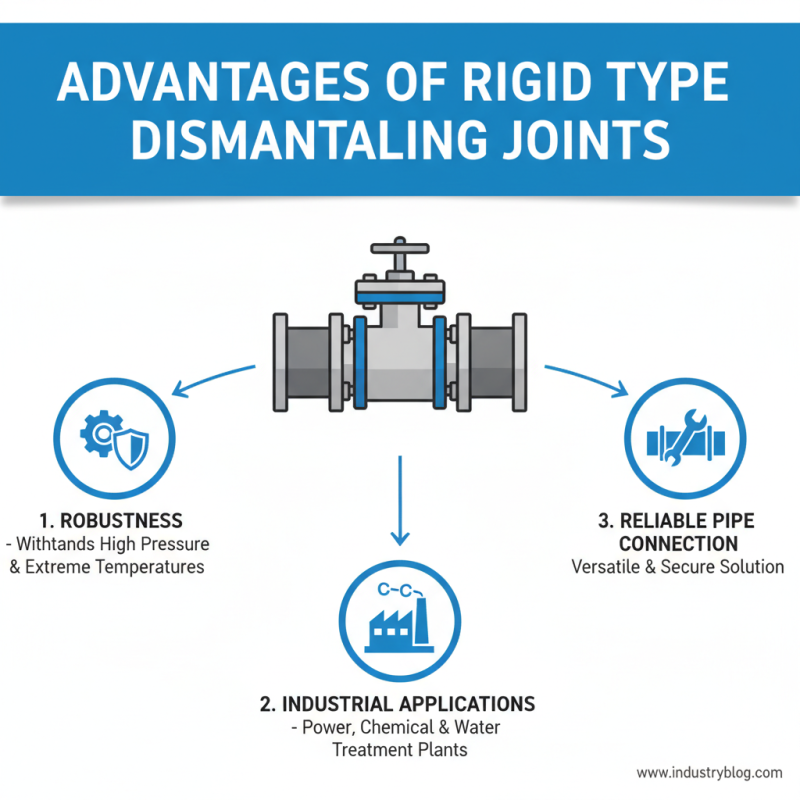
Rigid type dismantling joints are essential in various industrial applications. These joints provide a reliable and versatile solution for connecting pipes. One major advantage is their robustness. They can withstand high pressures and extreme temperatures. This makes them ideal for use in power plants, chemical plants, and water treatment facilities.
Another benefit is ease of maintenance. Rigid type dismantling joints allow for quick access to pipelines without needing to remove extensive sections. This can save both time and cost during repairs. The design promotes efficiency in operations. Regular inspections can be conducted without major disruptions.
Tips: When choosing a dismantling joint, consider the material and size carefully. It's important to match the joint with the specific requirements of your application. A mismatch can lead to complications. Think about installation conditions too. Make sure you have enough space for maintenance purposes.
Lastly, be aware that not all installations go as planned. Sometimes, defects in the joints might arise. It’s crucial to monitor their condition continuously. Implementing a regular inspection routine can help identify issues early. This proactive approach ensures longevity and operational safety.
Installation and Maintenance Considerations for Dismantling Joints
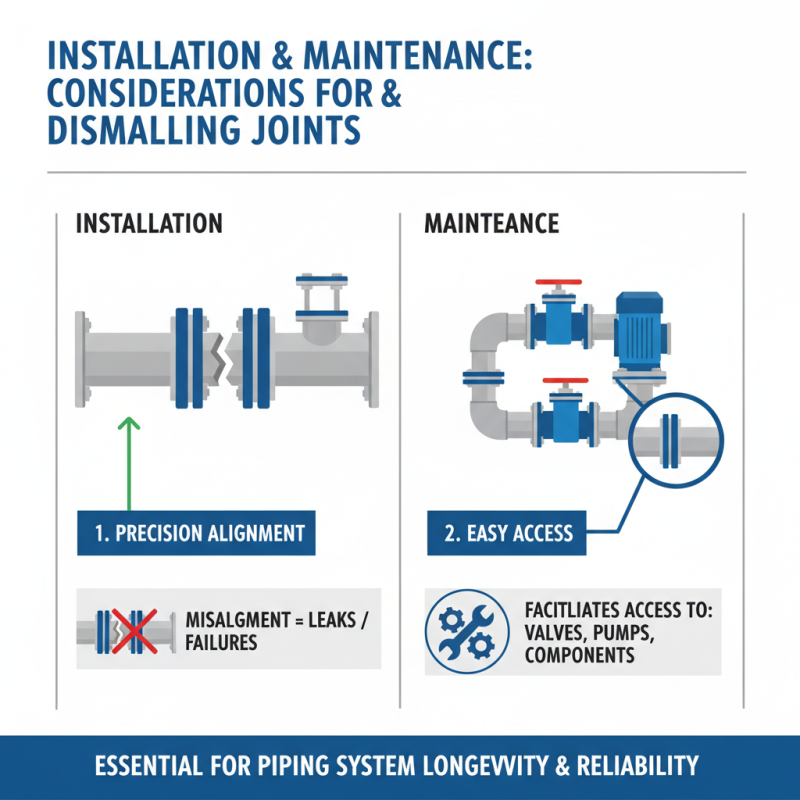
Dismantling joints are essential in piping systems. They allow for easy access to valves, pumps, or any component needing maintenance. When it comes to installation, precision is key. The alignment of the dismantling joint must be perfect. Misalignments can lead to leaks or system failures.
Maintenance is equally important. Regular inspections can detect potential issues early. According to a recent industry report, 30% of system failures stem from improper maintenance. This highlights the need for a structured maintenance schedule. Components in a dismantling joint should be checked for wear and tear frequently.
Additionally, understanding the environmental conditions is crucial. Temperature changes can affect the integrity of the joint. For example, extreme cold can cause contraction, while heat can lead to expansion. These factors can cause unexpected stress and failures. Thus, a thorough analysis of the working environment is vital for optimal performance.