Choosing a reliable supplier for a Pn40 Butterfly Valve requires more than comparing prices or browsing polished websites. Industrial buyers need evidence of manufacturing experience, pressure-testing procedures, material control, and dependable delivery. This guide examines ten worldwide suppliers through those practical criteria, helping engineers, distributors, and maintenance teams make better-informed decisions.
A PN40 valve operates under demanding pressure conditions, so small design details can affect safety and service life. Consider the body material, disc coating, seat design, shaft construction, and actuator compatibility. Supplier certificates, inspection reports, dimensional drawings, and test records also deserve careful review. A serious manufacturer should explain how each valve is tested before shipment, not merely display a catalog photograph. Factory capacity matters, too. A supplier producing thousands of valves may offer consistency, while a smaller specialist could provide stronger technical support.
Real purchasing decisions are rarely perfect. Some websites provide limited information. Others use impressive claims without clear verification. That uncertainty should encourage direct questions, sample inspections, and independent confirmation of critical specifications. Delivery history, warranty handling, replacement parts, and communication quality can reveal more than marketing language. We have considered these practical signals alongside product range, certifications, customization ability, and international service coverage. Still, supplier rankings can change as factories expand, standards evolve, and customer experiences accumulate. Use this list as a research starting point, not an automatic purchasing decision. The right supplier should match your pressure requirements, operating environment, budget, and long-term maintenance expectations. Safety comes before convenience.
Top 10 PN40 Butterfly Valve Suppliers Worldwide
What PN40 Butterfly Valves Are and Where They Are Used
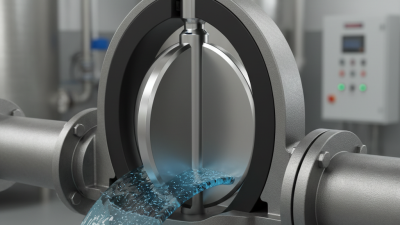
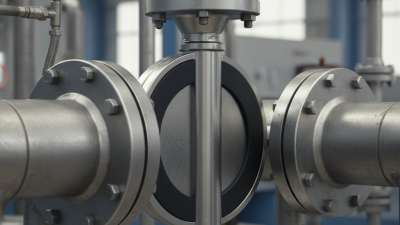
A PN40 butterfly valve is designed for piping systems with a nominal pressure rating of 40 bar. It uses a rotating disc to start, stop, or regulate fluid flow. The valve body may use ductile iron, cast steel, or stainless steel. Seat materials vary with temperature and chemical exposure. Common designs include wafer, lug, and flanged connections. It is a pressure class. Not always a guarantee. Actual service pressure can decrease as temperature rises, so engineers must check the pressure-temperature chart. PN40 valves often serve water treatment, industrial cooling, compressed air, chemical processing, and selected power applications. Their compact shape saves space around pumps and pipe bends.
Tips: Check the flange standard, seat compatibility, operating temperature, and actuator torque before ordering. Ask suppliers for pressure tests, material certificates, and dimensional drawings. A reliable supplier should explain limitations clearly, not only promote the highest rating. Field experience shows that poor alignment can damage the seat quickly. This detail is easy to overlook.
When comparing worldwide suppliers, review manufacturing experience, inspection procedures, traceability, and after-sales technical support. Confirm whether the valve suits isolation duty or frequent throttling. Some butterfly valves perform poorly under constant control service. Also inspect the disc edge, shaft sealing, and coating quality. These details affect leakage and service life. A lower purchase price may hide difficult maintenance later. Installation conditions matter too. Dust, vibration, corrosive fluid, and limited access can change the best valve choice. Specification sheets help, but real site conditions should lead the decision.
How to Evaluate Global PN40 Butterfly Valve Suppliers
Choosing a PN40 butterfly valve supplier requires more than comparing catalog prices. Confirm the supplier’s pressure rating, temperature limits, body material, disc alloy, and seat design. PN40 indicates a nominal pressure class, not identical performance under every operating condition. Ask for pressure-temperature charts and test procedures.
Reliable suppliers provide traceable material certificates, dimensional drawings, and documented hydrostatic testing. Check whether each valve receives leakage testing before shipment. Request sample reports with serial numbers, test pressure, duration, and acceptance criteria. Manufacturing experience matters. Visit the production site when possible, or arrange a qualified third-party audit. A clean workshop, calibrated test equipment, and controlled storage reveal practical discipline.
Do not overlook service after delivery. Evaluate spare-part availability, technical response times, installation guidance, and warranty terms. Confirm whether the supplier understands your media, pipeline size, actuator needs, and operating cycles. A low quote may hide weak coatings, uncertain elastomers, or expensive delays. I have seen polished documentation fail to match delivered components, so independent inspection remains valuable. One audit is not enough. Supplier performance should be reviewed through delivery records, nonconformity rates, and field feedback. Even a careful evaluation can miss a problem; clear communication and repeated verification reduce that risk.
| No. | Evaluation Dimension | Recommended Weight | What a Qualified Supplier Should Demonstrate | Objective Evidence to Request | Why It Matters for PN40 Valves |
|---|---|---|---|---|---|
| 1 | Pressure-class compliance | 20% | A clearly defined PN40 design basis, including allowable pressure at the intended operating temperature and medium. | Pressure-temperature rating chart, product datasheet, design calculations, and applicable conformity documentation. | PN40 does not guarantee 40 bar operation at every temperature or with every body, disc, shaft, and seat material combination. |
| 2 | Applicable design standards | 12% | Design and performance requirements aligned with recognized standards such as EN 593, API 609, or equivalent project specifications. | Certificate of conformity, controlled technical drawings, standard references, and a clause-by-clause compliance statement. | Standard alignment improves dimensional compatibility, safety review, and technical comparability between suppliers. |
| 3 | Face-to-face and flange compatibility | 10% | Dimensions compatible with the selected piping system, flange drilling, valve type, and installation arrangement. | Face-to-face dimensions, flange drilling tables, mounting-pad dimensions, and dimensional inspection records. | Incorrect dimensions or flange details can cause installation delays, leakage, or the need for costly pipeline modifications. |
| 4 | Materials and corrosion resistance | 12% | Material selections appropriate for the fluid, temperature, pressure, corrosion conditions, and required service life. | Material certificates, chemical composition reports, elastomer compatibility data, and coating or lining specifications. | Material suitability directly affects corrosion performance, sealing reliability, and maintenance frequency. |
| 5 | Seat and sealing performance | 10% | Seat construction and sealing method suitable for the application, with defined leakage acceptance criteria. | Seat-material datasheet, fire-safe documentation where required, low-emission data where applicable, and pressure-test reports. | Seat selection determines shut-off capability, temperature range, chemical resistance, and operating torque. |
| 6 | Testing and inspection capability | 12% | Routine shell and seat tests performed according to the purchase specification and relevant valve-testing standards. | Inspection and test plan, calibrated equipment records, hydrostatic test reports, seat-leakage results, and sample inspection records. | Independent and traceable testing reduces the risk of pressure leakage, casting defects, and inconsistent production quality. |
| 7 | Quality-management system | 8% | A documented quality system covering design control, purchasing, production, nonconformance management, and corrective actions. | Valid ISO 9001 certificate, certification scope, audit history, quality manual summary, and nonconformance procedure. | A certified system supports repeatable manufacturing and provides a structured method for handling quality problems. |
| 8 | Actuation and automation support | 6% | Correct actuator sizing and interface support for manual, pneumatic, electric, or hydraulic operation. | Torque calculations, actuator sizing sheets, mounting standard details, control drawings, and fail-position documentation. | Insufficient actuator torque or an unsuitable interface can prevent reliable opening, closing, or emergency operation. |
| 9 | Traceability and documentation | 5% | Traceable identification from raw materials through machining, assembly, testing, and final delivery. | Serial-number system, heat-number traceability, material certificates, inspection records, operation manuals, and spare-parts list. | Complete records simplify commissioning, regulatory review, warranty claims, and future maintenance. |
| 10 | Global supply and after-sales capability | 5% | Demonstrated ability to support international shipping, replacement parts, technical queries, warranty handling, and service response. | Documented lead-time policy, export experience, spare-parts availability statement, warranty terms, and service-level commitments. | Lifecycle support can have a greater impact on total cost than the initial purchase price, especially for critical installations. |
A practical top-ten shortlist of PN40 butterfly valve suppliers should examine more than catalog size. Supplier One is known for cast-iron and ductile-iron bodies. Supplier Two focuses on stainless-steel valves for corrosive service. Supplier Three provides wafer and lug designs for compact piping systems. Supplier Four emphasizes resilient seats and low operating torque. Supplier Five supports large-diameter water infrastructure. Supplier Six serves chemical plants with higher-grade disc materials.
Supplier Seven offers pneumatic and electric actuation packages. Supplier Eight is recognized for detailed pressure testing and material traceability. Supplier Nine concentrates on custom dimensions, coatings, and replacement compatibility. Supplier Ten combines regional stock with application engineering. These profiles represent different strengths, not identical performance. A supplier may excel in production but respond slowly during maintenance emergencies.
Experienced buyers should request PN40 pressure records, seat leakage results, inspection plans, and dimensional drawings. Confirm the valve’s actual pressure-temperature limits. PN40 does not guarantee 40 bar service under every temperature or medium. Ask about elastomer selection, shaft design, corrosion protection, and cycle testing. Factory audits can reveal assembly discipline that brochures rarely show.
Reliability also depends on after-sales support. Check spare-part availability, actuator calibration, and documented warranty procedures. Independent certification adds confidence, but it cannot replace application review. No supplier is perfect. Even a technically strong factory may have uneven communication or delayed documentation. A balanced assessment should compare engineering experience, manufacturing controls, testing evidence, delivery consistency, and honest technical advice.
When comparing the top 10 PN40 butterfly valve suppliers worldwide, product quality should come before catalogue price. A PN40 rating indicates a nominal pressure class, not identical performance at every temperature. Check the pressure-temperature chart carefully. Strong suppliers provide body material certificates, seat specifications, shaft details, and complete dimensional drawings. Useful standards may include EN 593, API 609, ISO 5211, and relevant pressure-testing requirements. Certification alone is not enough. Production controls matter more.
Pricing depends on valve size, body alloy, disc material, seat design, actuator type, and inspection scope. A low quotation may exclude testing, coating, spare parts, or export packaging. That mistake is common. Compare identical configurations, not only unit prices. Ask whether the quote includes hydrostatic testing, air leakage testing, certificates, and independent inspection. For corrosive service, a cheaper elastomer or coating can create early maintenance costs. This is where technical experience becomes valuable.
Delivery reliability requires more than a promised shipping date. Review manufacturing capacity, raw-material availability, inspection scheduling, and packing methods. Suppliers with clear drawings and responsive engineers usually reduce approval delays. Confirm lead time for standard valves and custom actuated assemblies separately. Also check replacement-part availability after installation. Some suppliers communicate well before payment, then become slower during production. That possibility deserves attention. A practical comparison should score quality, standards, total cost, and delivery risk together, using documented evidence rather than attractive claims.
Selecting a PN40 butterfly valve supplier starts with duty conditions, not a glossy ranking. PN40 indicates a nominal pressure class near 40 bar, but temperature and medium can reduce allowable pressure. Check the valve body, disc, seat, shaft, and seal materials against corrosion, abrasion, and cycle frequency. The 2024 Industrial Valve Market Outlook estimates roughly 5% annual growth through 2030, increasing supplier choice and competition. More options do not mean better engineering.
Ask for pressure-temperature charts, dimensional drawings, traceability records, and test procedures before approving a quotation. Require hydrostatic and seat-leakage tests, with acceptance criteria aligned to EN 593 or API 609. For actuated valves, verify ISO 5211 mounting, torque margins, fail position, and cycle-life evidence. A 2023 process-equipment report identified maintenance and downtime as major lifecycle-cost drivers in industrial valve purchases. The cheapest offer can become expensive at the first shutdown.
Evaluate ten suppliers using a weighted scorecard covering compliance, lead time, references, customization, service response, and total cost. Request two comparable project references involving similar pressure, temperature, and media. Inspect production controls when possible, including material identification, welding records, calibration, and final inspection. I would not accept certificates without matching heat numbers. That detail is easy to miss. A capable supplier explains limitations clearly instead of promising universal compatibility. Leave room for doubt; PN40 selection is not a catalog exercise.