Top 10 Awwa C504 Butterfly Valve Options for Global Buyers?
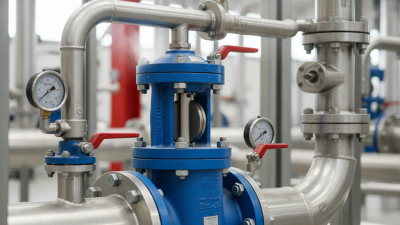
The Awwa C504 Butterfly Valve plays a critical role in water distribution systems. Known for its reliability and efficiency, this valve is essential in controlling flow. According to a recent market analysis by Global Market Insights, the demand for butterfly valves is projected to grow by 6% annually. This growth highlights the importance of selecting the right options in the global market.
Experts like Dr. Emily Chen, a leading authority in valve technology, emphasize, "The choice of butterfly valves can significantly affect system performance and longevity." Understanding various options is vital for buyers. Issues like material selection and design can impact performance. While many consider cost, durability should also be a priority in the selection process.
The Awwa C504 standard sets the benchmark for quality in this sector. However, confusion still exists regarding specifications and applications. Buyers often face challenges in navigating these complexities. It is crucial to address these issues to ensure that the right valve is selected for specific needs.
Overview of Awwa C504 Butterfly Valves and Their Importance
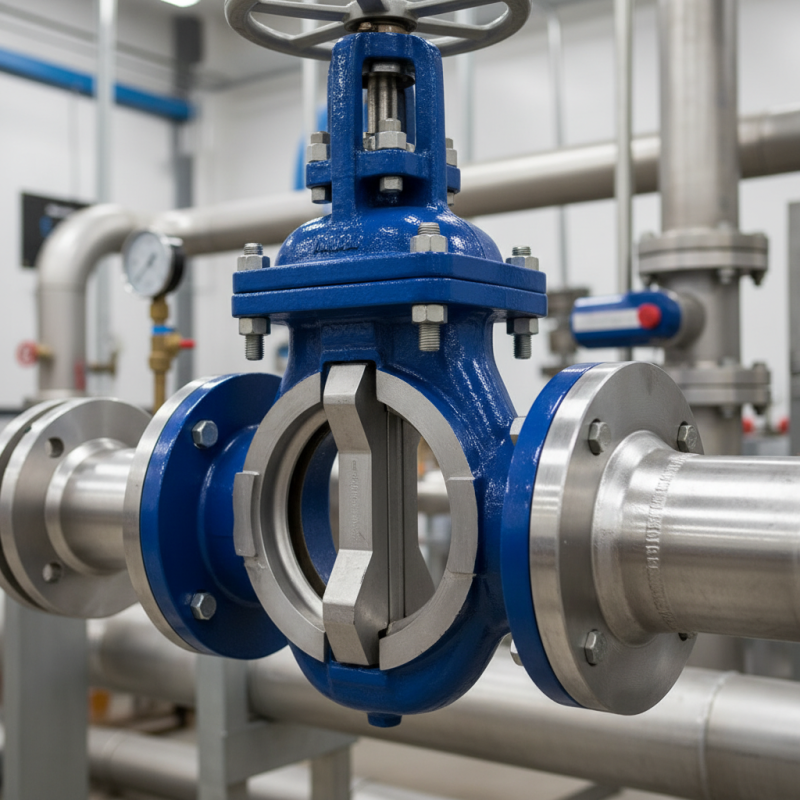
AWWA C504 butterfly valves play a crucial role in water treatment and distribution systems. These valves control the flow of water, ensuring that systems operate efficiently. Their design allows for quick modulation of flow, making them essential for various industrial applications. Accuracy in the valve's operation influences the overall system performance, directly affecting water supply integrity.
When selecting an AWWA C504 butterfly valve, it’s important to consider the material used. Metal and polymer options each have unique advantages. Metal valves are durable and withstand high pressures, while polymer valves offer corrosion resistance in aggressive environments. Choosing the right material can significantly impact valve longevity and performance.
**Tips:** Ensure that installation aligns with manufacturer specifications. Regular maintenance checks are essential to detect wear and prevent leaks. Always consult with experts when unsure, as misjudgments can lead to costly repairs. Reflecting on past experiences can guide future decisions. Test your systems regularly for optimal reliability.
Top 10 Awwa C504 Butterfly Valve Options for Global Buyers
| Option |
Size (inches) |
Pressure Rating (psi) |
Material |
Temperature Range (°F) |
Connection Type |
| Butterfly Valve A |
2 |
150 |
Cast Iron |
-10 to 150 |
Flanged |
| Butterfly Valve B |
4 |
200 |
Ductile Iron |
0 to 180 |
Wafer |
| Butterfly Valve C |
6 |
250 |
Stainless Steel |
-20 to 200 |
Flanged |
| Butterfly Valve D |
8 |
300 |
PVC |
32 to 140 |
Threaded |
| Butterfly Valve E |
10 |
150 |
Carbon Steel |
-20 to 180 |
Flanged |
| Butterfly Valve F |
12 |
200 |
Bronze |
0 to 180 |
Wafer |
| Butterfly Valve G |
14 |
250 |
FRP |
-20 to 140 |
Flanged |
| Butterfly Valve H |
16 |
300 |
Stainless Steel |
-40 to 220 |
Threaded |
| Butterfly Valve I |
18 |
150 |
Cast Iron |
0 to 160 |
Flanged |
| Butterfly Valve J |
20 |
250 |
Ductile Iron |
-10 to 210 |
Wafer |
Criteria for Selecting the Best Butterfly Valves for Global Markets
When selecting the best butterfly valves for global markets, several key criteria should be considered. First, material selection is crucial. Butterfly valves are commonly made from stainless steel, ductile iron, and rubber. The right choice affects durability and performance. According to the International Valve Association, improper material selection can lead to premature failures, costing businesses significantly in repairs and downtime.
Next, sizing and pressure ratings are essential. The valve must fit the pipeline specifications. A mismatch can result in leaks or system breakdowns. Reports suggest that nearly 30% of valve-related failures stem from incorrect sizing. Additionally, buyers should evaluate the actuator type. Electric, pneumatic, or manual actuators each have specific advantages depending on the application.
Lastly, it's important to consider compliance with industry standards, such as AWWA C504. Valves that meet these standards assure quality and reliability. Still, many products claim compliance without rigorous testing. Due diligence in reviewing certifications is vital for ensuring long-term reliability. Addressing these factors leads to informed decisions and better investment in valve systems.
Top 10 Awwa C504 Butterfly Valve Options: Features and Benefits
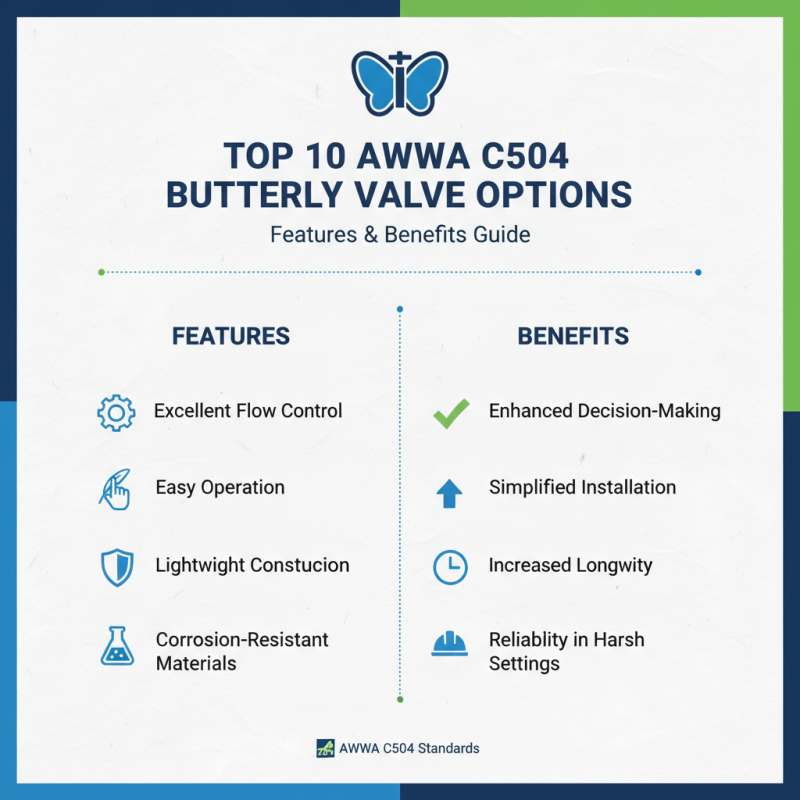
When selecting AWWA C504 butterfly valves, buyers face numerous choices. Understanding their features can enhance decision-making. The valves offer excellent flow control and easy operation. They are often lightweight, which simplifies installation. Many options include durable construction, ensuring longevity in various environments. Corrosion-resistant materials increase reliability, especially in harsh settings.
Another critical aspect is the valve’s sealing performance. A good seal minimizes leaks, which is essential for efficiency. Some valve designs feature quick-disconnect mechanisms, allowing for rapid maintenance. This reduces downtime in critical systems. However, not all valves perform equally. Some may exhibit wear faster than expected, necessitating careful selection.
Additionally, buyers should consider pressure ratings and sizes. Each application has unique requirements. Oversizing or undersizing can lead to inefficiencies. While many valves come with warranties, real-world performance must be tested. Finding the right balance between cost and quality is crucial. Investing time in understanding these features can lead to more informed purchasing decisions.
Comparison of Pricing and Availability for Each Butterfly Valve Option
When exploring the options for AWWA C504 butterfly valves, it is crucial to consider both pricing and availability. These valves serve a vital role in various applications, from water supply to industrial processes. The cost can vary significantly based on material, size, and design. Accurate comparative pricing helps buyers make informed decisions. An economic option may be best for smaller projects, while premium alternatives excel in long-term durability.
Availability is another important factor. Some valve options may have extended lead times due to supply chain issues. Buyers must check stock levels regularly to avoid delays in projects. While some manufacturers offer quicker shipping, others may face production backlogs. A thorough understanding of both price and availability ensures that global buyers can plan efficiently. It is essential to factor in these variables when selecting the right valve for your needs. This consideration impacts not only the budget but also overall project timelines.
Maintenance and Performance Tips for Awwa C504 Butterfly Valves
Maintaining AWWA C504 butterfly valves is crucial for ensuring long-term performance. Regular inspection helps identify potential issues early. Look for signs of wear, rust, or leaks. Cleaning the valve regularly can prevent build-up that affects operation. Simple tools can achieve this effectively.
Lubrication is essential but requires care. Use the right type of lubricant to avoid damaging the valve. Inadequate lubrication can lead to stiffness, affecting movement. While maintaining a valve, operators should always follow manufacturer guidelines. These guidelines ensure compatibility and enhance functionality.
Monitoring the operation of the valve is equally important. Consistent performance checks can prevent costly repairs. If a valve does not respond smoothly, it might indicate a larger problem. Regular training for staff can improve maintenance practices. A knowledgeable team can address issues promptly, leading to better valve lifespan.