China has become a major sourcing base for industrial valves, including the Ggg40 Butterfly Valve. Yet factory size alone proves little. Buyers should examine casting quality, machining accuracy, sealing design, and pressure-test records.
Dr. Martin H. Cramer, a valve engineering consultant, says, “Material consistency matters more than a polished product photograph.” This practical view deserves attention. GGG40, commonly associated with ductile iron EN-GJS-400-15, can provide useful strength and durability. Its performance still depends on metallurgy, wall thickness, coating, and service conditions.
A reliable manufacturer should explain its material grade clearly. It should also provide inspection reports, dimensional records, and traceable batch information. Look for hydrostatic testing, seat-leakage testing, and documented quality procedures. Ask how the factory handles rubber liners, disc finishing, stem alignment, and corrosion protection.
Small details matter.
A properly machined disc should move smoothly without scraping the liner. A square-mounted actuator should remain stable during repeated cycling. Packaging also deserves inspection. Moisture trapped inside a wooden crate can damage an otherwise excellent valve before installation.
This guide reviews China’s leading Ggg40 Butterfly Valve manufacturers through a practical purchasing lens. It considers production experience, engineering capability, export reliability, certifications, customization, and after-sales support. No ranking is perfect. A polished website may conceal weak testing, while a modest factory may deliver consistent results. That is why technical evidence should outweigh marketing language when selecting a long-term supplier.

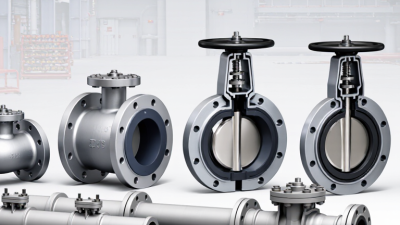
GGG40 butterfly valves are quarter-turn flow-control devices made with ductile iron, commonly classified as EN-GJS-400-15. Their compact body surrounds a rotating disc, while the stem transfers actuator torque. A resilient or metal seat creates the sealing line around the disc. This simple structure reduces weight and installation space compared with many gate valve designs. It also supports practical maintenance in water, HVAC, and general industrial pipelines.
Their core functions include isolation, flow regulation, and emergency shutoff. The disc rotates through 90 degrees, allowing fast operation with relatively low torque. However, throttling performance depends on pressure, temperature, seat material, and disc design. During technical inspections, uneven wear often appears when a valve operates continuously near a partially open position. That detail is easy to overlook. Leading Chinese manufacturers usually verify body casting quality, pressure resistance, coating adhesion, and operating torque before delivery. Yet the phrase “top manufacturer” should not replace test records and traceable specifications.
Tips: Confirm the medium, pressure class, temperature, flange standard, and actuator torque before ordering. Check whether the GGG40 body has suitable corrosion protection for the installation environment. Request hydrostatic and seat-leakage test documents. A small mismatch can cause expensive rework. Also inspect the seat edge and stem alignment during commissioning; installation errors may resemble manufacturing defects.
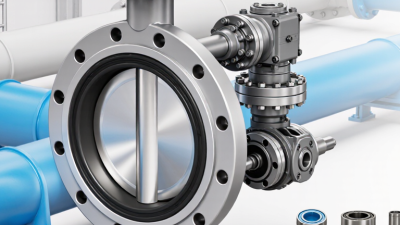
GGG40 butterfly valves should be specified through standards, not catalogue language. Under EN 1563, GGG40 generally corresponds to EN-GJS-400-15 ductile iron, with about 400 MPa tensile strength and 15% minimum elongation. Actual values depend on casting thickness and heat treatment. Check the material certificate.
For water and industrial pipelines, EN 593 defines key design requirements for butterfly valves. ISO 5752 controls face-to-face dimensions, helping installers replace valves without cutting pipework. Pressure testing should follow EN 12266-1, commonly using shell tests near 1.5 times the rated pressure. Seat leakage limits must also be stated.
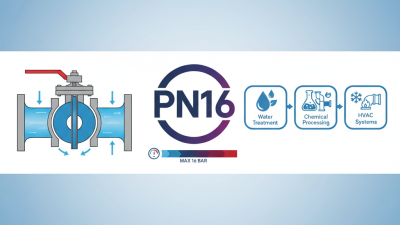
PN10 PN16 are common choices, but temperature changes can reduce allowable pressure. Do not trust pressure numbers alone.
API 609 is often referenced for industrial butterfly valve design, while AWWA C504 remains important for waterworks applications. The 2024 United Nations World Water Development Report identifies agriculture as using roughly 70% of global freshwater withdrawals, increasing demand for dependable water-control equipment.
Chinese manufacturers serving these systems should provide coating thickness, shaft material, rubber compound, torque data, and witnessed test records. Small details matter.
A practical specification should state media, temperature, flange standard, operating frequency, and installation position. GGG40 is strong, but it is not automatically suitable for corrosive service. This is where many selections become weak. Performance can fail before the body does.
Chinese manufacturers produce GGG40 butterfly valves through controlled casting, machining, and inspection. GGG40 ductile iron offers useful strength and impact resistance for water, air, and general industrial service. Engineers begin by reviewing pressure ratings, media conditions, temperature, and connection standards. Foundries check chemical composition with spectrometers before pouring molten iron into prepared molds. They also examine graphite nodularity and matrix structure through laboratory samples.
After casting, workers remove risers and clean each body. CNC machines finish the sealing surfaces, shaft bores, and flange faces. The disc and stem must align smoothly, with no noticeable binding. Coating preparation usually includes shot blasting, surface cleaning, and thickness control. Assembly teams inspect the seat, fasteners, and operating torque. Each valve should carry a traceable batch record, although documentation quality can vary between factories.
Tips: Ask for material certificates, dimensional reports, and pressure-test records. Confirm the test standard before comparing suppliers. Shell and seat tests may follow EN 12266-1 or API 598, depending on the project. Inspectors should check for visible casting defects, leakage, and abnormal torque. A polished report is not enough. Independent inspection can reveal small problems missed during routine production. Manufacturers should also review failed samples honestly, because one imperfect casting may expose a wider process weakness.
Typical pressure-control checkpoints for a PN16 GGG40 butterfly valve, based on common EN 12266-1 testing practice.
For PN16 valves, the shell hydrostatic test is commonly conducted at 1.5 times the nominal pressure, or 24 bar. The seat test is commonly conducted at 1.1 times the nominal pressure, or 17.6 bar. A low-pressure air test is often performed at approximately 6 bar to identify leakage before final inspection. Actual test conditions may vary according to the valve design, applicable standard, and purchaser requirements.
China’s GGG40 butterfly valve sector combines large-scale casting with flexible machining capacity. GGG40, also known as EN-GJS-400-15, offers a minimum tensile strength of 400 MPa and 15% elongation. According to the 2024 Fortune Business Insights industrial valves report, the global market reached about USD 78 billion in 2023. That demand is pushing Chinese manufacturers to improve testing, documentation, and delivery control.
Capabilities vary sharply between factories. Strong manufacturers use spectrometers to verify ductile iron chemistry before casting. They apply CNC machining to control disc alignment, shaft fit, and sealing surfaces. Many produce wafer, lug, and flanged designs from DN50 to DN1200. Serious suppliers also perform shell and seat tests under EN 12266-1, while export-focused plants provide EN 10204 inspection certificates. Some can supply epoxy-coated bodies for water systems, but coating thickness records should be requested.
Price remains important, yet it can hide process differences. A 2023 MarketsandMarkets study projected continued growth in industrial valve demand through 2028, especially in water, energy, and chemical applications. Manufacturers serving these fields usually offer better material traceability and spare-part planning. However, not every large workshop maintains consistent batch quality. A polished catalogue proves little. Buyers should compare casting samples, pressure-test videos, calibration records, and actual lead times. Even capable factories may need improvement in English documentation and corrective-action reporting. That weakness is easy to overlook.
China Top GGG40 Butterfly Valve Manufacturers
Selecting a reliable Chinese GGG40 butterfly valve manufacturer requires more than comparing quotations. MarketsandMarkets reported that the global industrial valve market could reach about USD 104 billion by 2029. This growth increases supplier choice, but quality differences remain significant.
Start by checking whether the body material is EN-GJS-400-15, commonly known as GGG40. Request heat numbers, chemical analysis, and mechanical test records. A serious factory should provide dimensional reports and pressure-test results under ISO 5208 or an equivalent standard. Confirm compliance with EN 593 or API 609 when the valve will serve industrial pipelines. Certificates alone are not enough.
Inspect the production process. Look for controlled casting, CNC-machined sealing surfaces, documented rubber compound data, and corrosion-resistant shaft materials. Ask for sample valves from the same production line. Measure face-to-face dimensions, disc alignment, operating torque, and leakage performance. Small details matter.
Audit the factory remotely or in person. Review calibration records, nonconformance handling, and batch traceability. ISO 9001 certification is useful, but it does not replace process evidence. The 2023 ISO Survey recorded more than 1.5 million ISO 9001 certificates worldwide, so certification alone cannot identify the best supplier. Request a pilot order before approving large volumes. I have found that the cheapest quotation often hides coating limits, weak documentation, or uncertain delivery control. No checklist is perfect. Recheck assumptions.
| Selection Dimension | Recommended Benchmark or Technical Requirement | Documents or Evidence to Request | Why It Matters |
|---|---|---|---|
| Body material | GGG40 is commonly identified with EN-GJS-400-15 ductile iron. The nominal minimum tensile strength is 400 MPa, yield strength is 250 MPa, and elongation is 15% under EN 1563 requirements. | Material certificate, heat or batch number, chemical analysis, mechanical test report, and traceability records. | Confirms that the valve body is actually manufactured from the specified ductile iron grade rather than an unspecified casting material. |
| Valve design standard | The valve design should comply with a recognized butterfly-valve standard, such as EN 593 or API 609, according to the project specification and application. | Declaration of conformity, design drawings, applicable standard references, and product quality plan. | A defined design standard helps control pressure rating, dimensions, materials, performance, and inspection requirements. |
| Pressure rating | Common configurations include PN10 and PN16 for metric systems, or Class 150 for ASME-based systems. The selected rating must match the line pressure, temperature, flange standard, and safety margin. | Pressure-temperature rating chart, nameplate data, pressure test procedure, and applicable flange drilling details. | A nominal pressure class alone does not define the allowable working pressure at every temperature. |
| Seat and liner material | EPDM is frequently selected for water service; NBR is commonly used for oil-compatible applications; PTFE may be selected for higher chemical resistance. The final choice depends on media, temperature, pressure, and concentration. | Seat material certificate, temperature range, chemical compatibility chart, and compound or formulation information where required. | The elastomer often determines service life, tightness, and resistance to swelling, hardening, or chemical attack. |
| Pressure and leakage testing | Testing should follow the specified standard, commonly EN 12266-1 or API 598. The required shell, seat, and functional tests should be stated in the inspection plan. | Individual or batch test reports, calibrated gauge records, acceptance criteria, and inspection release documents. | Verified testing reduces the risk of external leakage, seat leakage, and premature field failure. |
| Face-to-face and flange dimensions | Dimensions should match the applicable EN 558, ISO 5752, ASME B16.10, EN 1092-2, or ASME B16.5 requirements, depending on the connection and project standard. | Certified dimensional drawing, flange drilling table, tolerances, and interchangeability confirmation. | Incorrect dimensions can cause installation delays, misalignment, flange stress, or costly modifications. |
| Shaft, disc, and fastener materials | Material selection should reflect corrosion, erosion, operating cycles, and fluid compatibility. Stainless steel shaft and disc options may be appropriate for demanding or corrosive services. | Bill of materials, material certificates, corrosion-resistance information, and coating specifications. | Internal components are exposed to the process medium and can control torque, reliability, and corrosion resistance. |
| Surface protection | For ductile iron bodies, fusion-bonded epoxy or another specified protective coating may be required. Coating thickness, adhesion, holiday detection, and potable-water suitability should be defined where applicable. | Coating technical data sheet, thickness readings, adhesion results, holiday test records, and coating inspection plan. | Proper protection helps prevent external corrosion during storage, transport, installation, and operation. |
| Actuation and operating torque | The actuator must be sized using the valve torque, differential pressure, safety factor, operating frequency, and fail-action requirements. Manual gear, pneumatic, electric, or hydraulic actuation may be specified. | Torque curve, actuator sizing calculation, control signal details, duty cycle, and open-close test records. | Incorrect actuator sizing may cause incomplete closure, excessive wear, or unsafe operation. |
| Quality management and inspection | A reliable manufacturer should operate a documented quality management system and maintain incoming-material, casting, machining, assembly, calibration, and final-inspection controls. | Current quality certificate, audit report, inspection and test plan, calibration records, nonconformance procedure, and corrective-action records. | Documented controls provide evidence that production quality is repeatable rather than dependent on visual inspection alone. |
| Application suitability | Confirm the medium, temperature, pressure, flow direction, solids content, vacuum conditions, installation position, and required operating frequency before final selection. | Completed technical data sheet, application review, selection calculation, and written confirmation of operating limits. | A valve that meets a material specification may still fail if its seat, disc, actuator, or pressure rating is unsuitable for the actual service. |
| Traceability and after-sales support | Each valve should be identifiable by size, pressure rating, material, production or batch reference, and test status. Spare seats, seals, shafts, and operating components should be available for the expected service period. | Nameplate sample, traceability procedure, spare-parts list, maintenance manual, warranty terms, and technical support response process. | Clear identification and service support reduce downtime and simplify future maintenance or replacement. |