Top 5 En593 Butterfly Valve Trends for 2026 Canton Fair?
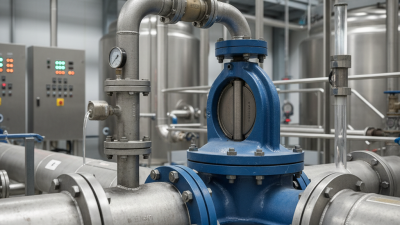
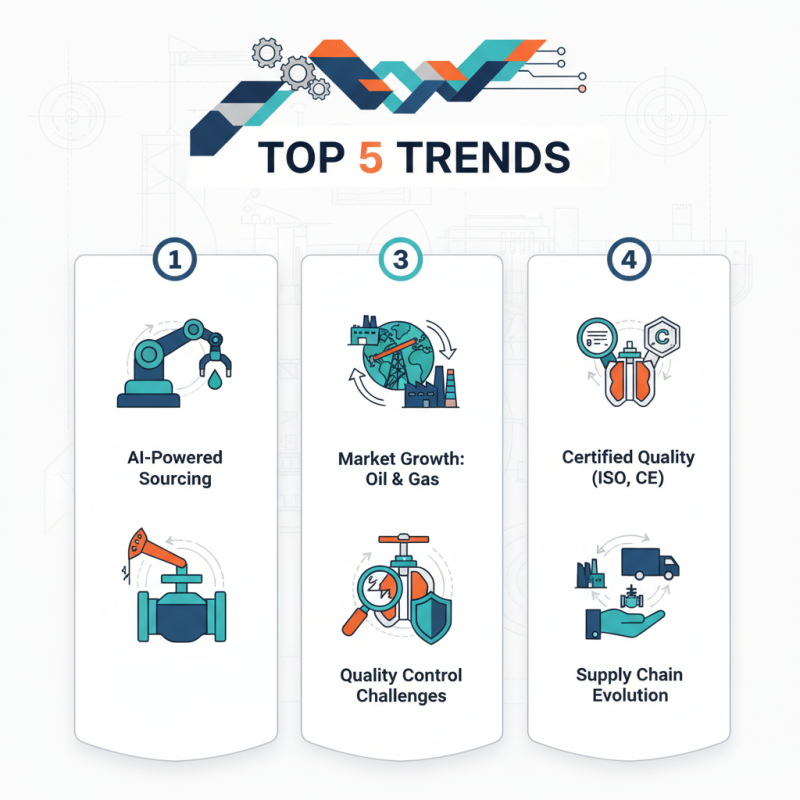
As the 2026 Canton Fair approaches, the focus on the EN593 Butterfly Valve is gaining momentum. This essential component plays a vital role in fluid control systems across various industries. According to recent industry reports, the global butterfly valve market is projected to grow significantly, driven by advancements in manufacturing technologies and increasing demand in sectors like oil and gas.
The introduction of AI technologies at the Canton Fair enhances the experience for buyers. They can efficiently identify suppliers of EN593 Butterfly Valves with the required certifications, such as ISO and CE. This new feature promises to improve navigation, saving time and increasing the efficiency of procurement within the expansive exhibition area of 1.55 million square meters.
Despite these advancements, challenges persist in the market. Quality control remains a critical issue, with some manufacturers still not meeting international standards. Buyers must remain vigilant and conduct thorough evaluations. Thus, the trends surrounding the EN593 Butterfly Valve will shape not only product offerings but also the entire supply chain dynamics during the Canton Fair in 2026.
Emerging Materials for EN593 Butterfly Valves in 2026
The 2026 Canton Fair is set to showcase exciting advancements in materials for EN593 butterfly valves. Emerging trends indicate a strong shift towards lighter and more durable materials. Advanced polymers and composite materials are gaining traction in valve manufacturing. These materials can significantly reduce weight while maintaining structural integrity.
A recent industry report reveals that the demand for high-performance plastics in valve applications is expected to rise by 15% annually. This shift reflects the industry's commitment to enhancing efficiency and reducing costs. However, the adoption of these materials presents challenges. Not all manufacturers are equipped to work with this technology effectively.
Sustainability is another focus area. Eco-friendly materials are becoming popular in valve production. Biodegradable alternatives are being explored. Yet, achieving balance between performance and environmental impact remains complex. Companies need to invest in research to avoid pitfalls. The goal is to innovate while being responsible.
Top 5 EN593 Butterfly Valve Trends for 2026
This chart illustrates the projected trends in materials used for EN593 butterfly valves at the 2026 Canton Fair, showcasing the growing popularity of various materials.
Innovative Design Features Shaping the Future of Butterfly Valves
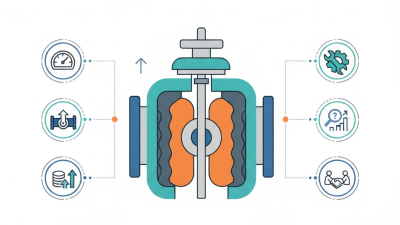
The butterfly valve industry is evolving quickly. Innovative design features play a key role. Manufacturers are focusing on lighter materials to enhance performance. This shift can improve energy efficiency in various applications. Advanced manufacturing techniques are enabling more precise designs. These methods help create valves that are not only durable but also cost-effective.
Smart technology integration is gaining traction. Sensors are now being embedded into valves for real-time monitoring. This allows for better maintenance and reduced downtime. However, there are challenges. Adaption to such technologies can be slow due to resistance within some sectors. Users may feel overwhelmed by the fast pace of change.
Another trend is eco-friendly designs. Valves are being developed with sustainability in mind. The use of recyclable materials is becoming more common. Yet, achieving true sustainability is complex. Testing new materials often requires more time and resources. Manufacturers must constantly balance performance and environmental impact.
Sustainability Trends Impacting EN593 Butterfly Valve Production
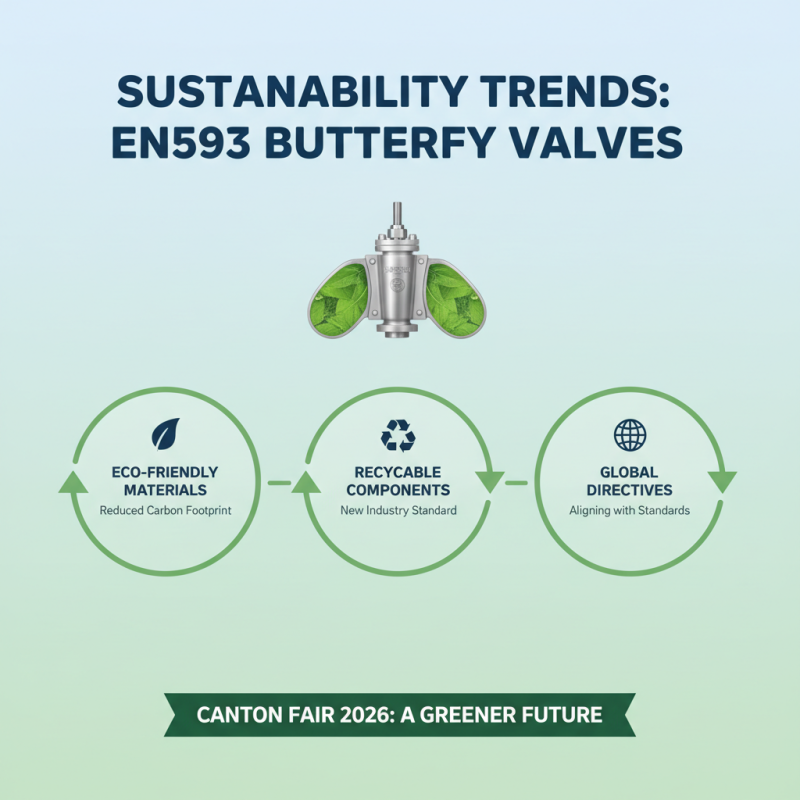
As the Canton Fair approaches in 2026, sustainability continues to reshape the landscape of EN593 butterfly valve production. Manufacturers are now focusing on eco-friendly materials. This shift aims to reduce the carbon footprint during the valve's lifecycle. The trend aligns with global directives toward sustainable practices. Using recyclable materials is becoming a norm, not an exception.
However, challenges persist. Some companies struggle to find suitable alternatives to traditional materials. The transition can increase production costs, leading to concerns about pricing. Innovations, like biodegradable coatings, show promise but need further refinement. Additionally, understanding the long-term durability of these materials is essential. Will they stand the test of time?
Furthermore, energy-efficient production processes are gaining traction. Techniques that minimize waste during manufacturing are being adopted. These methods not only cut costs but also meet the increasing demand for greener products. Yet, the implementation can be inconsistent among manufacturers. A balance must be struck between efficiency and environmental responsibility. This ongoing evolution highlights the need for a reflective approach in the industry.
Smart Technology Integration in Butterfly Valve Applications
The integration of smart technology in butterfly valve applications is shaping the industry landscape. Reports indicate that by 2026, smart valves will dominate market trends, with a projected growth rate of over 14% annually. This shift reflects rising demands for automation and energy efficiency. More manufacturers are adopting IoT technology to enable remote monitoring and control.
For instance, smart butterfly valves can provide real-time data on pressure and flow rates. This capability allows for improved system performance and maintenance predictions. However, challenges remain. Not all facilities are ready for smart technology. There is a gap in training and knowledge among staff. Many companies report uncertainties about integration cost and ROI.
Furthermore, the reliance on digital systems can pose risks. Cybersecurity is an increasing concern with connected devices. There's a need for robust security protocols to protect sensitive data. The industry must balance innovation with potential vulnerabilities. Making the transition requires careful planning and investment to avoid pitfalls.
Market Demand and Customer Preferences in the 2026 Valve Industry
As we approach the 2026 Canton Fair, understanding market demand is essential. Customers are increasingly seeking energy-efficient solutions. This trend showcases a desire for sustainable products that reduce operational costs. Key features in demand include durability and low maintenance. These qualities resonate well with buyers.
However, the preferences are evolving. Some customers prefer customized options tailored to unique applications. This creates a challenge for manufacturers to balance standard production with customization demands. Simplicity in design is also favored. Many buyers want easy installation and operation.
Moreover, the focus on smart technology is growing. Integrating sensors and automation appeals to tech-savvy users. Still, the price point remains a concern. Companies must reflect on how to make these innovations accessible. This balancing act highlights the complexity of meeting customer expectations in an ever-changing market.
Top 5 En593 Butterfly Valve Trends for 2026 Canton Fair
| Trend |
Market Demand (%) |
Customer Preference |
Key Features |
| Smart Integration |
25% |
High |
IoT compatibility, remote monitoring |
| Eco-friendly Materials |
20% |
Medium |
Recyclable, low carbon footprint |
| High Durability |
30% |
Very High |
Robust design, longer lifespan |
| Customization Options |
15% |
High |
Tailored sizes and features |
| Cost-effective Solutions |
10% |
Medium |
Affordable pricing, value for money |