Top 10 Pn10 Butterfly Valve Options for Global Buyers?
The Pn10 Butterfly Valve market has seen tremendous growth in recent years. According to a report by ResearchAndMarkets, the global valve market is expected to reach $90 billion by 2026, with butterfly valves representing a significant segment. These valves are favored for their reliability, precise flow control, and cost-effectiveness.
In numerous applications, including water supply and industrial processes, Pn10 Butterfly Valves stand out. Their lightweight design reduces installation costs, making them ideal for both commercial and residential use. Industry experts emphasize that selecting the right butterfly valve can significantly impact system efficiency and durability.
However, the variety of options can be overwhelming for buyers. Not all Pn10 Butterfly Valves are created equal. Some may not meet international quality standards. Buyers should prioritize reputable manufacturers who can demonstrate their product reliability through certifications. Therefore, understanding the landscape of available options is essential for making informed decisions.
Top Characteristics of Pn10 Butterfly Valves for Global Buyers
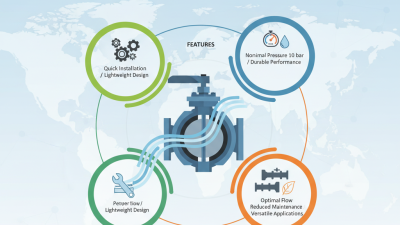
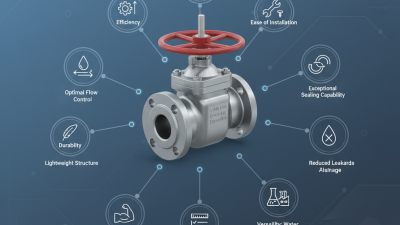
When selecting Pn10 butterfly valves, it's crucial to know their core characteristics. These valves are favored for their lightweight design, making installation straightforward. Many models offer a full 360-degree rotation, enhancing control over fluid flow. This flexibility is vital in various industrial applications. Consider the body materials too. Common options are cast iron and stainless steel. The right material ensures durability and resistance to corrosion.
Moreover, the sealing mechanism plays a significant role. The valve's ability to prevent leaks hinges on its seat and disk design. A well-engineered butterfly valve can provide reliable service over time. Buyers must look for options with proven sealing efficiency.
Lastly, think about maintenance. Regular inspections can prevent costly downtimes. A user-friendly design can simplify the maintenance process. Even a straightforward valve can present challenges if not installed correctly. It's essential to evaluate installation requirements before making a decision.
Understanding Different Materials Used in Pn10 Butterfly Valves
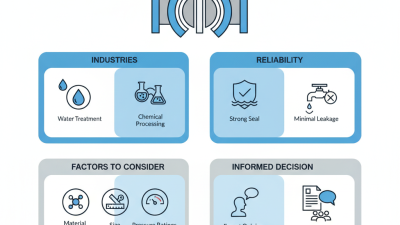
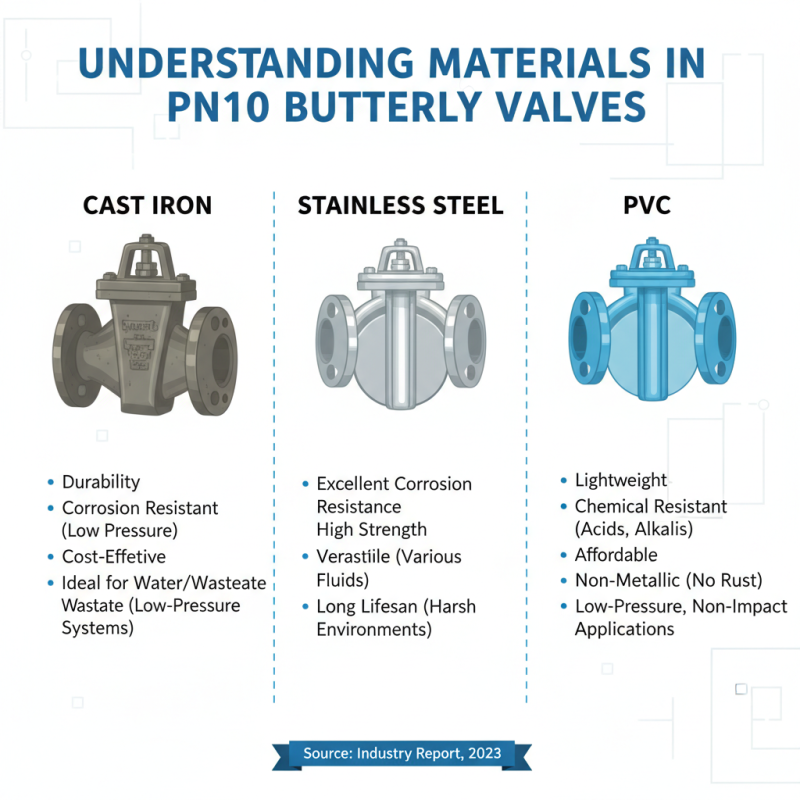
In the world of fluid control, Pn10 butterfly valves are crucial components, particularly in water and wastewater management. The materials used in these valves significantly impact their performance and lifespan. Common materials include cast iron, stainless steel, and PVC, each serving distinct operational requirements. According to a recent industry report, cast iron is favored in low-pressure systems due to its durability and resistance to corrosion. However, it may not perform well in highly corrosive environments.
Stainless steel offers superior strength and resistance to corrosion. It is particularly beneficial in applications involving aggressive fluids. A survey indicated that 20% of companies prefer stainless steel for its longevity and reduced maintenance needs. PVC, on the other hand, is lightweight and cost-effective, making it ideal for non-critical applications. Yet, it faces limitations in temperatures exceeding 60°C.
Buyers should reflect on the specific demands of their projects. For instance, while stainless steel might seem advantageous, its higher cost could be unnecessary for certain conditions. Similarly, the choice of material can affect installation complexity and long-term reliability. By weighing these factors, global buyers can make more informed decisions while seeking the best Pn10 butterfly valve options for their needs.
Comparative Advantages of Leading Pn10 Butterfly Valve Brands
When selecting a Pn10 butterfly valve, understanding comparative advantages among different brands is crucial. Industry reports indicate that more than 40% of global buyers prioritize durability and cost-efficiency. Many valve types are available, but only top brands demonstrate both performance and longevity.
A detailed analysis shows that innovative sealing technology can extend operational life by up to 20%. Valves designed with advanced materials also exhibit resistance to corrosion and wear, which leads to lower maintenance costs. However, not all valves claim the same reliability metrics. It’s key to scrutinize the data behind each option.
Some users report performance fluctuations, especially in high-pressure environments. Feedback indicates that inadequate flow control leads to inefficiencies. This highlights the importance of rigorous testing and validation. While some brands boast superior specifications, independent reports often reveal discrepancies. Validating these claims through third-party testing can offer added peace of mind. Understanding these factors can lead to smarter purchasing choices in a competitive market.
Installation and Maintenance Tips for Pn10 Butterfly Valves
When dealing with PN10 butterfly valves, installation and maintenance are crucial for optimal performance. Proper installation ensures that the valves function efficiently. According to industry reports, incorrect installation can lead to up to 20% of valve failures. This is significant.
Before installation, ensure the pipe alignments are accurate. Misalignment causes stress and potential leaks. Use appropriate gaskets to prevent leaks when the valve is bolted to the piping. Regular checks on the bolts are important for maintaining a secure seal.
Maintenance is equally vital. Regular inspection of the actuator and valve seat prevents malfunctions. Lubricate moving parts according to the manufacturer’s recommendations. Delayed maintenance can lead to valve deterioration, resulting in costly replacements.
Tip: Inspect the valve for unusual noises during operation. These can indicate wear or misalignment. Set a schedule for routine maintenance. Document all activities for future reference. This adds reliability to your operation. Remember, a well-maintained valve ensures a safer and more efficient system.
Top 10 Pn10 Butterfly Valve Options for Global Buyers
This chart represents the estimated market share percentage of different types of Pn10 butterfly valves based on recent industry analysis. The data illustrates the preference for various valve materials among global buyers, which can aid in decision-making for installations.
Cost Analysis: Pn10 Butterfly Valve Purchasing for International Markets
The demand for PN10 butterfly valves has steadily increased in international markets. According to industry reports, the global butterfly valve market is projected to reach USD 6.9 billion by 2027, growing at a CAGR of 4.3%. This growth can be attributed to rising infrastructure developments in emerging economies. Many manufacturers focus on enhancing valve performance while reducing costs to remain competitive.
Cost analysis reveals that purchasing PN10 butterfly valves varies significantly across regions. In Europe, the average cost is approximately 15-20% higher than in Asia. This discrepancy stems from factors such as shipping expenses, tariffs, and local manufacturing costs. Additionally, fluctuations in raw material prices can influence overall purchasing decisions. The increasing price of stainless steel, for instance, has raised the baseline cost of valve production, impacting final pricing on the market.
Buyers often face challenges in vetting suppliers and ensuring product quality. Reports indicate that about 30% of international buyers express concerns regarding quality assurance. This uncertainty leads to an emphasis on evaluating manufacturers' certifications and production standards. Transparent communication between buyers and suppliers can mitigate potential risks. Understanding the total cost of ownership, rather than just the initial purchase cost, is essential for informed decision-making.