What Are the Top Types of Desalination Butterfly Valves?
Choosing a Desalination Butterfly Valve means matching its design to the process, not simply selecting the lowest-cost option. Seawater intake, pretreatment, reverse osmosis, and brine discharge each create different demands. Chlorides, suspended solids, operating pressure, and cleaning chemicals can all affect valve materials and service life. Small details matter.
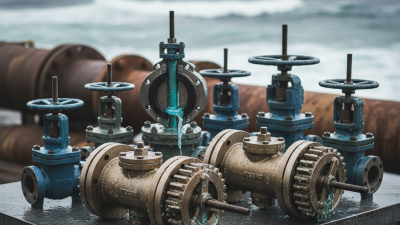
This guide introduces the main types used in desalination systems: resilient-seated, double-offset high-performance, and triple-offset butterfly valves. Resilient-seated designs can suit many lower-pressure duties, while offset designs may provide better sealing or handle more demanding conditions. However, exact performance depends on the valve’s materials, seat design, actuator, and installation. A familiar label alone proves little.
We will compare where each type may fit, what trade-offs to check, and which specifications deserve careful review. Look closely at the wetted components, pressure and temperature limits, leakage requirements, and maintenance access. Confirm suitability with current technical data and the project’s operating conditions. No single design wins everywhere. Even a sound selection can disappoint if site conditions were estimated poorly. That point is easy to overlook. The aim here is not to declare one universal winner, but to help engineers and buyers ask better questions before specifying a valve.
How Butterfly Valves Are Used in Desalination Systems
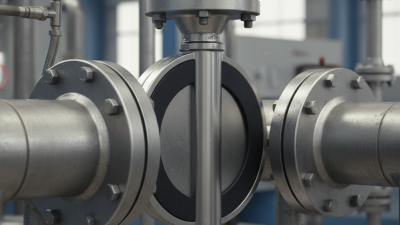
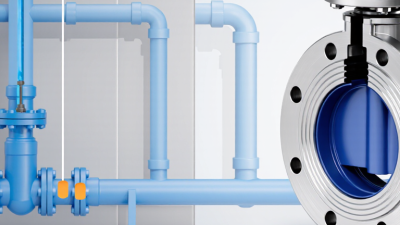
In desalination plants, butterfly valves help isolate and regulate water flow across intake, pretreatment, product-water, and discharge lines. Their compact bodies suit large pipes, where a gate valve can require more space. At seawater intakes, operators may use them to shut off flow during screen cleaning or maintenance. In pretreatment, they isolate filter vessels and pipe sections. Placement matters. A valve on a low-pressure line faces different demands from one near a high-pressure reverse-osmosis train.
The World Bank’s 2019 report, The Role of Desalination in an Increasingly Water-Scarce World, cited global installed desalination capacity of about 97.2 million cubic metres per day in 2018. That scale makes reliable isolation more than a small design detail. Resilient-seated butterfly valves commonly serve lower-pressure duties; double- or triple-offset designs may suit more demanding pressure or temperature conditions. Seawater also challenges materials through chloride exposure, so disc, shaft, and seat choices need careful review. Actuators can support remote operation, but they need suitable controls and access for inspection. Not every plant layout is ideal. Field checks still matter: a valve that looks right on a drawing may be awkward to reach beside a filter or pump.
Key Factors in Choosing Butterfly Valves for Desalination
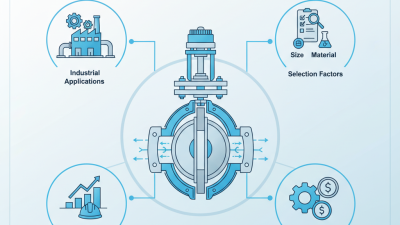
Desalination butterfly valves work in demanding conditions: chloride-rich seawater, changing pressures, and frequent operation.
The valve type matters, but material compatibility often matters more. Resilient-seated valves can suit lower-pressure lines, while double-offset designs reduce seat friction during operation. Triple-offset metal-seated valves may fit higher-pressure or temperature duties, but they are not automatically the best choice for every seawater service.
Check the full water chemistry, including cleaning chemicals and disinfectants.
Chlorides can accelerate corrosion, and some treatment chemicals may affect seat materials. Compare the body, disc, stem, fasteners, and seat as a complete assembly. A corrosion-resistant disc paired with unsuitable fasteners is still a weak point. Details matter. Ask for material data and relevant test evidence rather than relying on a general “marine-grade” description.
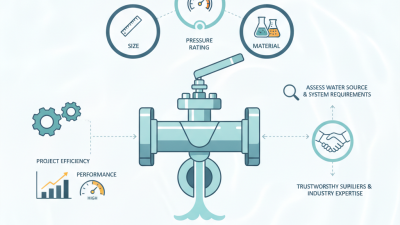
Pressure rating, temperature range, leakage requirements, and operating frequency should guide the specification.
In a large intake line, disc position and flow conditions can affect performance; verify the valve against the actual system design. Choose an actuator sized for expected differential pressure, with allowance for practical operating conditions. Also consider access for inspection and seat replacement. A compact valve may save space, yet become awkward to maintain. Specifications are never perfect; reviewing them with the process and maintenance teams can expose assumptions before installation.
Concentric Butterfly Valves for Low-Pressure Water Lines
Concentric butterfly valves are a practical option for low-pressure water lines in desalination plants. Their disc and stem share a central axis, and a resilient seat provides shutoff when the disc closes. The compact body fits tight pipe galleries, while the quarter-turn action supports quick isolation. Simple, but not universal. These valves generally suit clean or treated water service better than demanding high-pressure duties. For seawater, permeate, and brine lines, check material compatibility separately; chloride exposure and water chemistry can vary widely.
Tips: Confirm the design pressure, temperature, and required leakage performance. Match the seat and disc materials to the actual fluid. Check that the actuator can operate the valve under expected differential pressure.
A concentric valve can also regulate flow, but it may not provide precise control at very low openings. Partial opening can cause uneven flow, vibration, or seat wear, depending on the system. Review the flow range and operating cycle before choosing it for throttling. Leave room for inspection, too. Deposits or scale can affect sealing, and maintenance access is easy to overlook on crowded pipework.
Double-Offset Butterfly Valves for Seawater Service
What Are the Top Types of Desalination Butterfly Valves?
Double-Offset Butterfly Valves for Seawater Service
Double-offset butterfly valves are often considered for seawater lines where tight shutoff and lower operating torque matter. Their disc moves away from the seat during opening, helping reduce rubbing and wear. In a desalination plant, that can mean more reliable cycling on intake, pretreatment, and product-water lines. Seawater is demanding, though. Chlorides, sand, and treatment chemicals can all affect valve materials and service life.
The World Bank’s 2019 report, The Role of Desalination in an Increasingly Water-Scarce World, estimated global desalination capacity at about 97.2 million cubic metres per day in 2018. That scale makes sound equipment selection important. For seawater service, engineers should assess body and disc alloys, shaft protection, seat compatibility, pressure rating, and coating requirements against the actual water chemistry. Duplex or super duplex stainless steel may suit some duties, but no material is universally best. Small differences in temperature or chemical dosing can change the choice.
Tips: Confirm the valve’s corrosion-resistance data and seat compatibility with the project’s water analysis. Check torque under the expected pressure conditions, not only at bench testing. A detail that is easy to overlook: installation orientation can affect access for inspection and maintenance. Even a well-selected valve needs a realistic maintenance plan.
Triple-Offset Butterfly Valves for High-Pressure Applications
What Are the Top Types of Desalination Butterfly Valves?
Triple-Offset Butterfly Valves for High-Pressure Applications
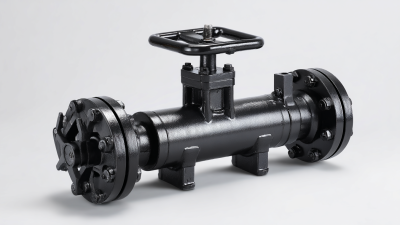
Seawater reverse-osmosis systems use high-pressure pumps to push water through membranes. Triple-offset butterfly valves can provide tight isolation in these demanding lines. Their angled disc and seat geometry reduces rubbing during operation, while metal-to-metal seating can tolerate heat and pressure better than many soft seats. Details matter: confirm the valve’s pressure rating, operating torque, and suitability for pressure surges. A strong valve is not automatically the right valve.
The scale is substantial. A global assessment reported 15,906 operational desalination plants with 95.37 million cubic metres of daily capacity (Jones et al., Science of the Total Environment, 2019). For seawater service, specify body and trim materials for chloride exposure, and check the seat design against the expected cycling frequency. Duplex or other corrosion-resistant alloys may be appropriate, depending on water chemistry and operating conditions. Installation alignment matters, too; a slightly misaligned disc can affect sealing and wear. Triple-offset designs often cost more than simpler butterfly valves. They are not a universal answer. Engineers should verify pressure class, leakage requirements, and maintenance access against the actual process data.
What Are the Top Types of Desalination Butterfly Valves?
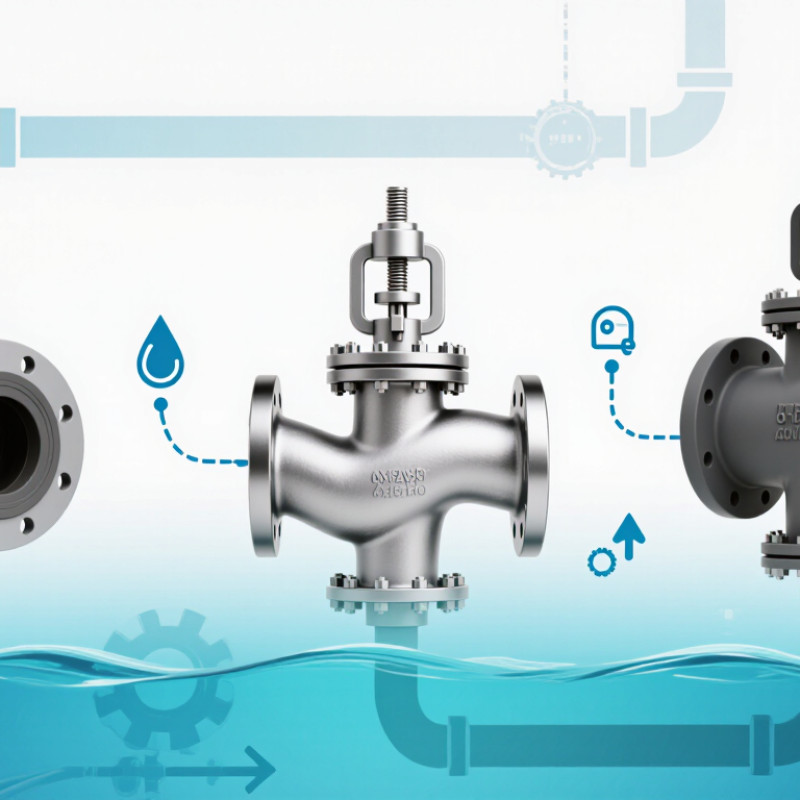
Representative pressure-class examples for concentric, double-offset, and triple-offset designs
The examples show PN 16 (16 bar), PN 25 (25 bar), and ASME Class 600 (about 102 bar at ambient temperature for a common carbon-steel pressure-temperature rating). They are reference pressure classes, not guaranteed limits for every valve. Actual allowable pressure depends on materials, temperature, design, and applicable standards. Triple-offset valves are often selected for demanding high-pressure duties because their metal-seated design supports tight shutoff and reduces seat rubbing.