Top 10 Wras Butterfly Valve Options for Global Buyers?
In the world of fluid control, selecting the right components is crucial. One such component is the WRAS Butterfly Valve. These valves play an essential role in regulating the flow of liquids. They hold a reputation for being both efficient and versatile. When sourcing these valves, global buyers face many options.
The WRAS Butterfly Valve stands out due to its certifications and operational reliability. Buyers seek durable valves that are easy to maintain. However, navigating the market can be overwhelming. With numerous manufacturers, each claiming superiority, how do buyers make informed decisions?
This guide highlights the top 10 WRAS Butterfly Valve options for international buyers. Each selection prioritizes quality and compliance with industry standards. By examining various models, prospective customers can better understand their choices. Solid knowledge leads to better purchasing decisions, ensuring optimal performance in their applications.
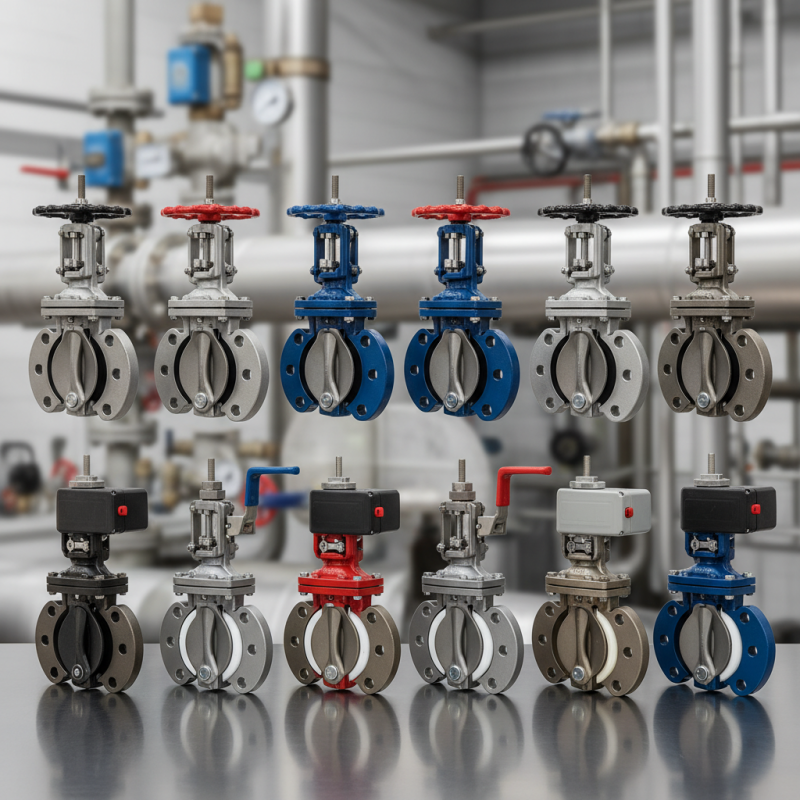
Top Features to Consider When Selecting Wras Butterfly Valves
When selecting WRAS butterfly valves, several key features should be prioritized. The most important aspect is material. Choosing durable materials such as stainless steel or ductile iron ensures longevity. According to industry reports, these materials can significantly reduce maintenance costs.
Another critical feature is the valve's size and pressure rating. Ensuring compatibility with your system's requirements avoids operational issues. Size should match pipeline specifications accurately. Notably, pressure ratings must meet or exceed system demands. Analyzing system configurations can prevent costly errors.
**Tip:** Consider installation ease. Fittings and mounting options can affect the installation timeline. Flexibility in design can accommodate unique setups.
Performance metrics must not be overlooked. Flow capacity and torque requirements are vital for effective operation. Reports indicate that valves with lower torque values often have enhanced efficiency. Balance between control and durability is essential.
**Tip:** Evaluate warranties. A strong warranty reflects confidence in product quality and can save future expenses. Always review performance guarantees before purchasing.
Choosing the right butterfly valve requires careful consideration and understanding of these features. Missing details may lead to inefficiencies. Take the time to consult with experts for tailored recommendations.
Top 10 Wras Butterfly Valve Options for Global Buyers
| Valve Type |
Size Range |
Material |
Pressure Rating |
Temperature Range |
End Connection Type |
| Wafer Butterfly Valve |
2" - 12" |
Cast Iron |
150 psi |
-10°C to 80°C |
Flanged |
| Double Flanged Butterfly Valve |
4" - 24" |
Stainless Steel |
300 psi |
-20°C to 120°C |
Flanged |
| Lug Butterfly Valve |
3" - 16" |
PVC |
150 psi |
-10°C to 60°C |
Lugged |
| Gear Operated Butterfly Valve |
2" - 30" |
Aluminum |
200 psi |
-10°C to 100°C |
Flanged |
| Electrical Actuated Butterfly Valve |
1" - 10" |
Carbon Steel |
150 psi |
-5°C to 85°C |
Flanged |
| Manual Butterfly Valve |
1" - 12" |
Brass |
100 psi |
-10°C to 70°C |
Screwed |
| High Performance Butterfly Valve |
6" - 48" |
Duplex Stainless Steel |
1000 psi |
-20°C to 200°C |
Flanged |
| Triple Offset Butterfly Valve |
4" - 36" |
Stainless Steel |
1500 psi |
-50°C to 350°C |
Flanged |
| Resilient-Seated Butterfly Valve |
2" - 24" |
Ductile Iron |
200 psi |
-10°C to 80°C |
Flanged |
Comparison of Material Specifications for Butterfly Valves in Industry
When selecting butterfly valves for industrial applications, material specifications are crucial. Different materials offer varied benefits depending on environments and operational needs. Common materials include stainless steel, cast iron, and plastic. Each of these materials has unique properties that make them suitable for specific applications.
Stainless steel is highly resistant to corrosion. It is ideal for harsh environments, such as chemical processing. Cast iron, on the other hand, offers strength and durability. It is often used in water and wastewater management systems. Plastic valves are lightweight and resistant to chemicals, making them suitable for less demanding applications.
Tip: Consider temperature ranges and pressure capabilities when choosing materials. This is often overlooked but can significantly affect valve performance.
Material selection also affects maintenance needs. Some materials require regular checks and replacements. In contrast, others may last longer. Understanding the lifecycle of the materials helps in long-term planning.
Tip: Regularly review and assess the compatibility of materials with the fluid being transported. This can prevent unforeseen failures that disrupt operations.
Global Market Trends Affecting Wras Butterfly Valve Demand
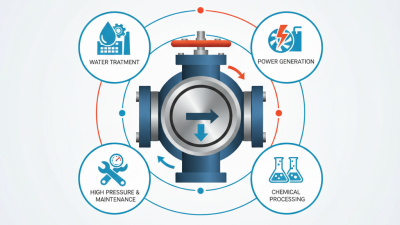
The global market trends significantly influence the demand for WRAS-approved butterfly valves. As industries increasingly prioritize sustainability, manufacturers are adapting. More projects require compliance with rigorous standards for environmental protection. This shift impacts valve selection and production techniques. Water treatment facilities, construction firms, and HVAC systems are examples of sectors adapting to these changes.
Economic fluctuations also play a crucial role. Variations in commodity prices affect manufacturing costs. As a result, buyers seek cost-effective solutions without sacrificing quality. Emerging markets exhibit a rising appetite for efficient and reliable equipment. Companies exploring these regions must understand local regulations and standards to thrive.
Demand for innovative designs is increasing. Users expect smarter valve technologies that integrate with automation systems. However, not all manufacturers keep pace with these advancements. Many struggle to meet the evolving specifications. This disconnect between demand and supply leads to potential delays and increased costs. Buyers should remain vigilant and prioritize suppliers who are responsive to market changes.
Performance Standards and Certifications for Butterfly Valves
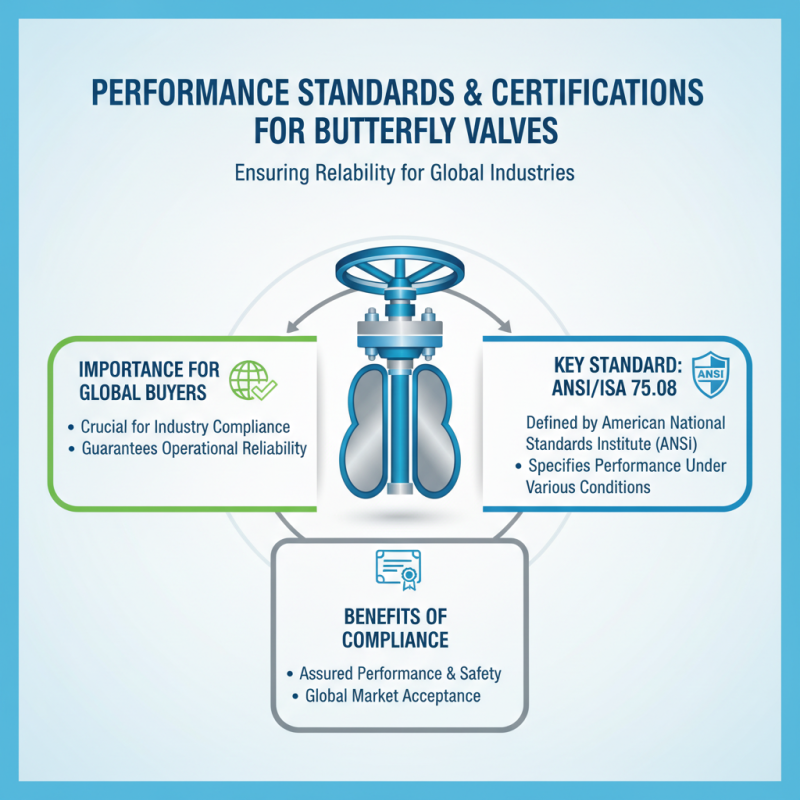
The performance standards and certifications for butterfly valves are crucial for global buyers. Many industries require these valves to meet specific requirements. According to the American National Standards Institute (ANSI), ANSI/ISA 75.08 defines the performance of valves in various conditions. Compliance with such standards ensures reliability in operation.
Certification from international bodies like ISO and API is essential. ISO 9001 governs quality management systems, which are vital for manufacturers. APIs focus on performance specifications for valves in the oil and gas industries. Valves should not just work; they must perform under pressure and temperature variations.
Tip: Always check the certification of the valve before purchasing. A certified valve ensures that the product meets industry requirements.
In addition to performance standards, knowing the materials used is important. Commonly, butterfly valves are made from stainless steel, cast iron, or plastic. Each material has unique properties that influence durability and resistance. A buyer should consider the application environment when selecting a material.
Tip: Assess the environment and fluid type before making a decision. Matching the valve material with the specific application is vital for long-term reliability.
In summary, performance standards and certification play a key role in ensuring butterfly valves function effectively across various industries. They help guarantee that a valve can withstand the demands of its environment.
Leading Manufacturers and Their Innovations in Butterfly Valve Technology
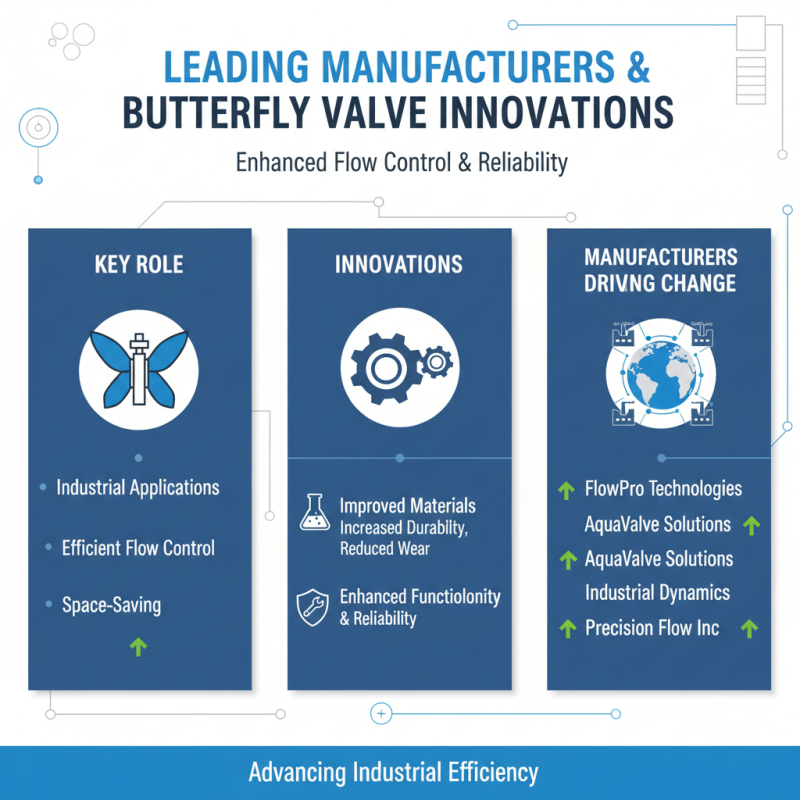
Butterfly valves play a crucial role in various industrial applications. Their design allows for efficient flow control and space-saving installation. Leading manufacturers are consistently innovating in this field, enhancing the functionality and reliability of these valves. For example, some recent innovations include improved materials that increase durability and reduce wear over time.
Additionally, advancements in automation technology have made butterfly valves smarter. Today’s valves can be equipped with sensors to monitor performance. This feedback loop aids in predictive maintenance, ensuring smoother operations. However, these advancements may lead to complexity in installation and upkeep. Not all buyers are equipped to handle sophisticated technology and may need training.
In the quest for better performance, some manufacturers are focusing on sustainability. They are developing eco-friendly materials and energy-efficient designs. While this is a positive step, there can be trade-offs on performance metrics. Buyers must thoroughly evaluate their needs to make informed choices. The balance between innovation and practical use remains an area for continuous improvement.