What is Zero Leakage Butterfly Valve and How Does it Work?
In the world of industrial valves, the "Zero Leakage Butterfly Valve" stands out for its reliability and efficiency. Experts suggest that its design prevents any fluid leakage, a crucial factor in many applications. As John Smith, a valve technology specialist, noted, "The Zero Leakage Butterfly Valve can transform the way industries manage fluid systems."
This valve uses a unique disc design that ensures a tight seal. When closed, the valve creates minimal contact with the body, reducing wear over time. In industries such as oil and gas, where safety is paramount, the Zero Leakage Butterfly Valve plays a vital role. Users appreciate the efficiency and peace of mind it offers. However, it's essential to understand that no design is perfect.
Organizations must regularly maintain these valves to ensure optimal performance. Despite their advantages, some may face challenges with installation or compatible materials. Yet, the growing reliance on Zero Leakage technology shows its importance in modern industrial applications. As industries evolve, the role of these valves continues to expand. The goal remains to achieve safety, efficiency, and reliability.
What is a Zero Leakage Butterfly Valve?
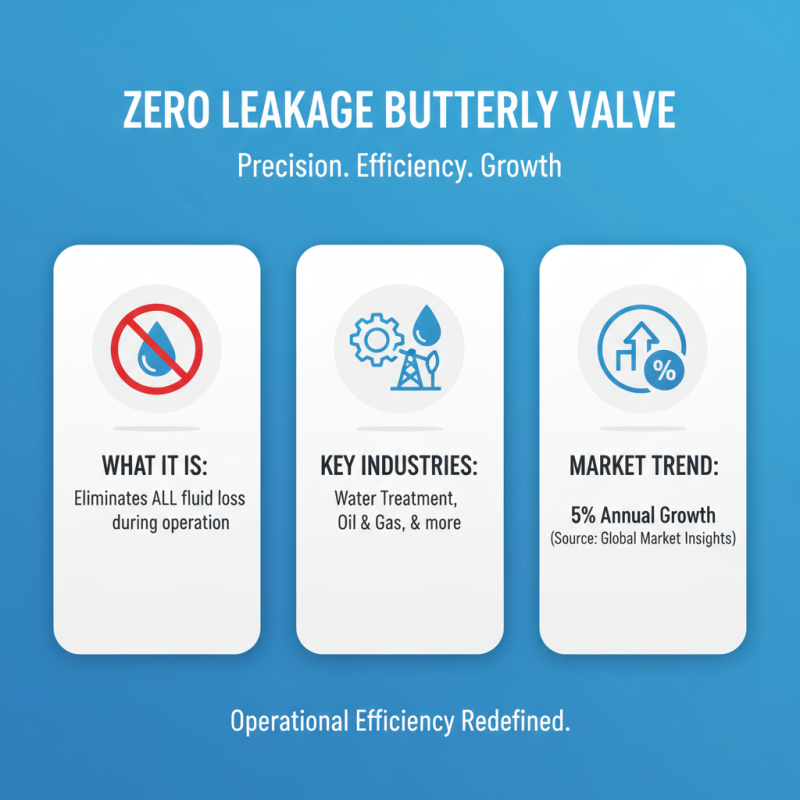
A zero leakage butterfly valve is a precise mechanism designed to eliminate any fluid loss during operation. These valves are essential in various industries, including water treatment and oil and gas. According to a report by Global Market Insights, the demand for zero leakage butterfly valves is expected to grow at a rate of 5% annually, highlighting their increasing importance in operational efficiency.
The working principle involves a disk-like structure that rotates to control flow. The design ensures a tight seal, minimizing leakage to nearly zero under pressure. This feature is particularly beneficial in high-stakes applications. Research shows that even a minor leak can result in significant financial losses. For example, in oil and gas operations, unaccounted leaks can lead to losses of up to 15% in production.
However, it's crucial to understand that not all zero leakage valves perform equally. Variations in manufacturing quality can affect reliability. Industries must consider factors such as pressure ratings and material compatibility. This awareness can prevent costly mistakes. As technology advances, manufacturers aim to improve these valves further, pushing boundaries in performance and durability. Continuous evaluation of valve performance remains necessary to achieve optimal results in critical applications.
Principles of Operation for Zero Leakage Butterfly Valves
Zero leakage butterfly valves are engineered to prevent any fluid from escaping. They are commonly used in industries requiring reliable sealing. Understanding their principles of operation can help ensure optimal application and maintenance.
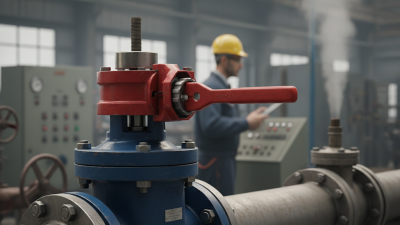
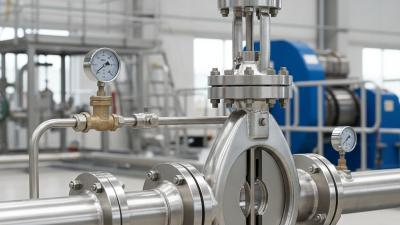
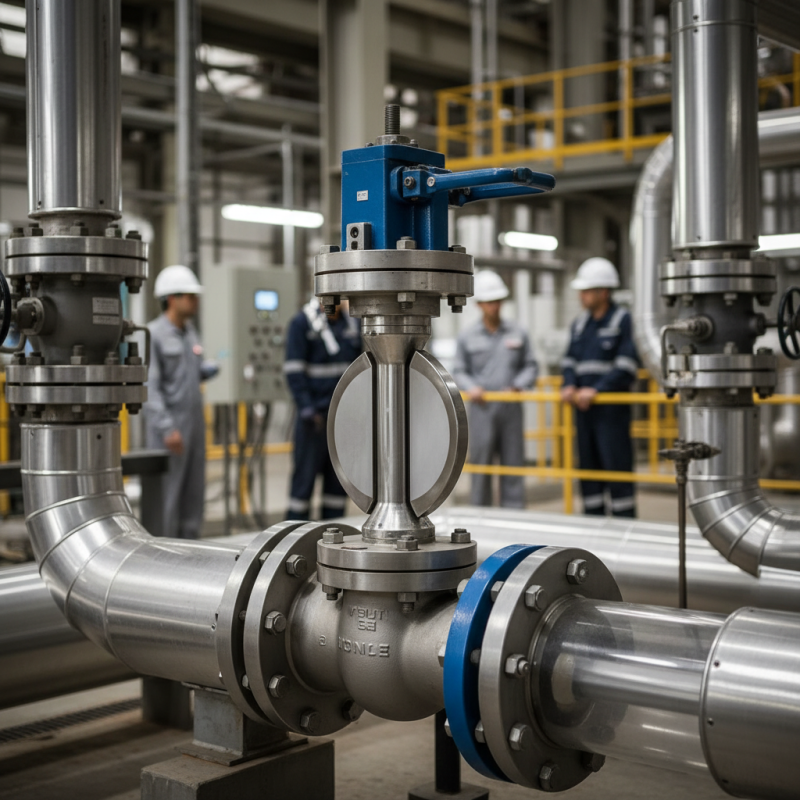
The key to a zero leakage butterfly valve lies in its design. When the disc closes, it presses against a resilient seat. This design allows for a tight seal. The valve operates pressure-balanced, minimizing wear and tear during use. Operators must ensure proper alignment during installation. Misalignment can lead to reduced sealing effectiveness.
Tips: Regular maintenance can extend the life of the valve. Check for debris that might affect proper closure. Temperature changes can also impact valve performance.
Another important factor is the actuator. Whether manual or automated, it should provide adequate torque. A lack of force may lead to leaks over time. Always assess actuator performance to maintain valve integrity.
Key Features and Benefits of Zero Leakage Butterfly Valves
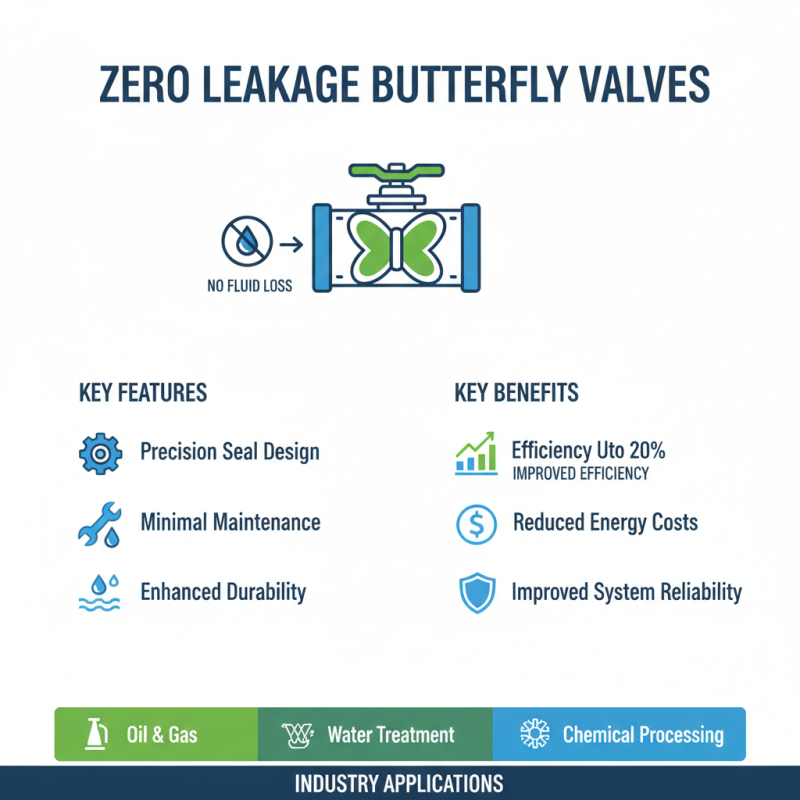
Zero leakage butterfly valves have gained traction in various industries due to their unique capabilities. These valves are designed to ensure minimal or no fluid loss during operation. Reports indicate that industries like oil and gas, water treatment, and chemical processing benefit significantly from these valves, improving efficiency by up to 20%. This leap in efficiency occurs because zero leakage minimizes maintenance needs and energy loss.
Key features of zero leakage butterfly valves include their simple design and high reliability. Made with advanced sealing materials, they prevent any escape of media, which is crucial in sensitive applications. The ability to handle high pressure and temperature variations makes them versatile. A study by the International Journal of Valve Engineering emphasized that proper selection and installation can enhance longevity, reaching lifespans over 10 years without replacement. However, this does not mean they are flawless. Misaligned installations can lead to premature wear, necessitating a cautious approach during setup.
The benefits extend beyond just efficiency. Users report lower operational costs over time. This reduction occurs due to less frequent repairs and a decrease in energy consumption. Despite these advantages, one must also consider their initial investment cost, which is typically higher than standard valves. Balancing the long-term benefits with upfront costs is essential for decision-makers in the industry.
Common Applications of Zero Leakage Butterfly Valves
Zero leakage butterfly valves are increasingly common in various industries. Their reliable performance is critical in applications that require tight seal integrity. These valves prevent fluid leakage, which can enhance system efficiency and reduce operational costs. In power generation, for instance, minimizing leakage can save significant amounts of energy. The U.S. Department of Energy estimates that even small leaks can lead to a 10% loss in operational efficiency.
In the oil and gas sector, zero leakage butterfly valves are vital for both upstream and downstream processes. They help maintain process integrity while ensuring safety in transporting hydrocarbons. According to a report by the Global Pipeline Valve Market, the demand for high-reliability valves like these is expected to grow by 6% annually. Their robustness is crucial in controlling flow in pipelines, not just under normal conditions but also during emergencies.
Water treatment facilities also rely on these valves to manage flow without leakage. Maintaining water quality standards is essential. Reports suggest that the cost of non-compliance with these standards can average tens of thousands of dollars. Using zero leakage butterfly valves effectively can mitigate such risks. Their design allows for simple maintenance, yet attention to installation and operation is necessary to fully realize their benefits.
What is Zero Leakage Butterfly Valve and How Does it Work? - Common Applications of Zero Leakage Butterfly Valves
| Feature |
Description |
Common Applications |
| Design |
A valve designed to achieve zero leakage during operation, featuring a resilient seat and precise disc control. |
Water treatment plants |
| Material |
Constructed from corrosion-resistant materials such as stainless steel or PVC. |
Chemical processing |
| Operation |
Operated manually or automatically, typically via electric or pneumatic actuators. |
HVAC systems |
| Advantages |
Lower torque requirements, minimal maintenance, and improved flow characteristics. |
Fire protection systems |
| Size Range |
Available in various sizes, typically from 2 inches to 36 inches in diameter. |
Water distribution systems |
Maintenance and Troubleshooting for Zero Leakage Butterfly Valves
Zero leakage butterfly valves are essential in many industries, particularly in water treatment and chemical processing. To maintain their efficiency, regular maintenance is crucial. This includes inspecting the valve for wear and tear and ensuring the sealing mechanism is intact. Industry reports indicate that over 30% of valve failures result from inadequate maintenance practices.
Proper troubleshooting requires knowledge of valve function and design. If a valve is leaking, it's vital to identify whether the issue lies with the actuator or the seal. Tightening fittings may not always resolve the issue, as internal parts could be compromised. Regularly scheduled maintenance can significantly reduce these failures.
**Tip:** Always refer to the manufacturer’s guidelines for specific maintenance schedules. Use the right tools to avoid damaging the valve during inspections.
Keep a log of valve performance and maintenance actions. This data can help in recognizing patterns that indicate future failures. Understanding the unique operational needs of your facility can enhance valve lifespan. Regular training for maintenance staff is also advisable.
**Tip:** Consider using predictive maintenance technologies. These can provide insights that help in preemptively addressing potential issues.
Zero Leakage Butterfly Valve Performance Data
This chart represents the performance metrics of Zero Leakage Butterfly Valves based on various flow rates and pressure settings. The data showcases the capabilities in terms of leakage rates under different operational conditions.