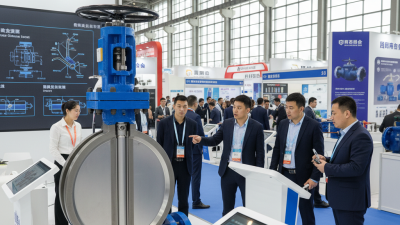
2026 Best Big Size Butterfly Valve Buying Guide and Tips?
In today's fluid handling industry, the demand for reliable and efficient components is paramount. The Big Size Butterfly Valve plays a crucial role in various applications, including water treatment, oil and gas, and chemical processing. According to a recent market analysis, the global butterfly valve market is projected to grow at a CAGR of 6.5% from 2021 to 2026, emphasizing the importance of understanding the key factors involved in selecting the right valve.
High-performance Big Size Butterfly Valves are essential for ensuring optimal flow control in large pipelines. Users must consider materials, pressure ratings, and design characteristics when making a purchase. For instance, selecting the right seat material can significantly affect the valve's lifespan and sealing performance. This level of detail can help mitigate issues often encountered in industrial settings, such as leakage or mechanical failure.
However, the market is flooded with options. Choosing the wrong Big Size Butterfly Valve can lead to costly operational setbacks. Many buyers may overlook critical features or specifications in their quest for cost savings. This guide aims to illuminate the nuances of selecting the best valve for your specific needs, ensuring both reliability and efficiency in your operations.
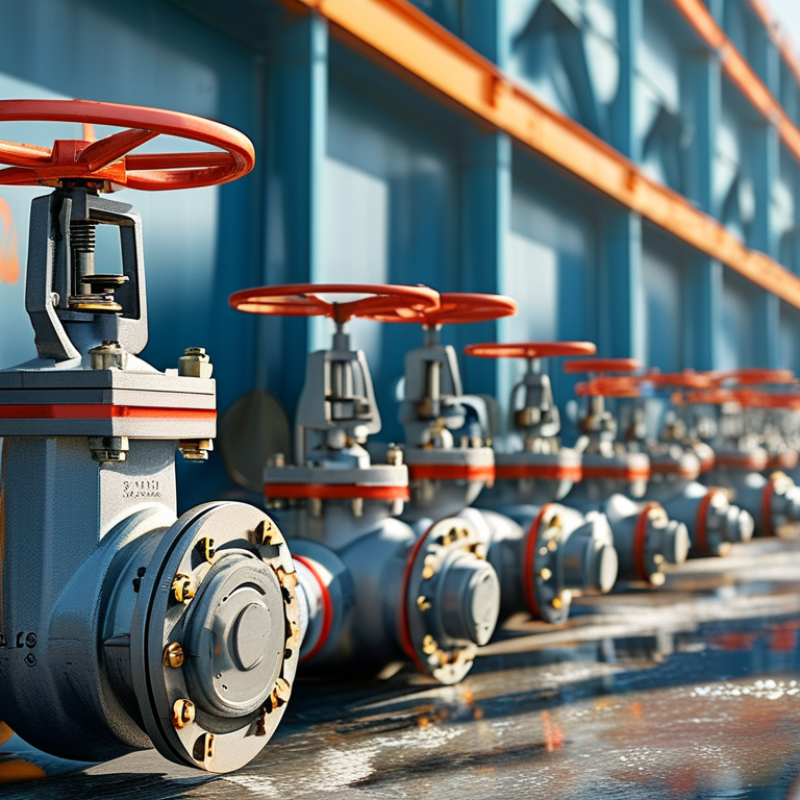
Overview of Big Size Butterfly Valves and Their Applications
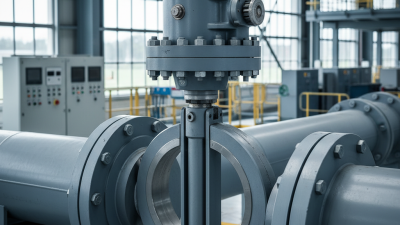
Big size butterfly valves play a crucial role in various industries. These valves are widely used in water treatment, oil and gas pipelines, and HVAC systems. Their primary function is to regulate flow efficiently. Due to their simple design, they provide reliable service with minimal maintenance.
When considering big size butterfly valves, it's vital to understand their applications. For instance, in wastewater treatment, these valves help manage heavy sludge flow. In HVAC systems, they control airflow, ensuring energy efficiency. However, engineers must pay attention to pressure requirements. Selecting a valve that fits specific operational pressures is essential for optimal performance.
While big size butterfly valves offer several benefits, challenges exist. Sizing might not always be straightforward. Miscalculating the diameter can lead to flow issues. Additionally, material choice affects durability. Some environments may require corrosion-resistant materials. It's crucial to match the valve's material with the application’s environment.
Key Factors to Consider When Buying a Big Size Butterfly Valve
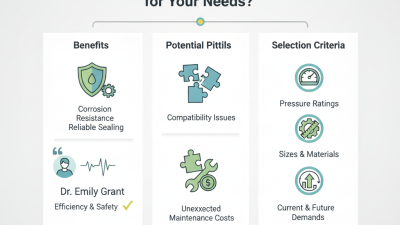
When buying a big size butterfly valve, remember to consider several key factors. First, look at the material. Butterfly valves can be made from various materials like stainless steel or ductile iron. Each material has its benefits depending on the type of fluid and environmental conditions. For instance, stainless steel is resistant to corrosion and is often suitable for harsh environments.
Next, think about the size and specifications. A big size butterfly valve needs to fit your existing pipeline systems. Measure the diameter accurately. Valves that are too big or too small can lead to leakage or insufficient flow control. Also, check the pressure rating to ensure it matches your system's requirements.
Lastly, consider the valve design and actuation type. Manual, electric, or pneumatic actuators each have different operational benefits. Manual valves are often cheaper but require more labor. Electric valves offer automation but can be more expensive to maintain. Reflect on your operational needs to choose the best fit.
Types of Big Size Butterfly Valves and Their Functions
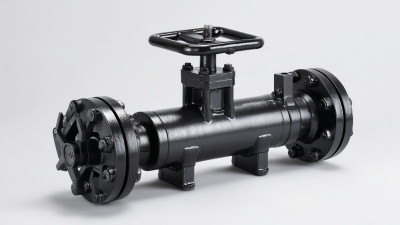
When selecting big size butterfly valves, understanding their types and functions is crucial. Butterfly valves generally fall into three main categories: high-performance, resilient seated, and triple-offset valves. Each type serves different purposes and works best under specific conditions. High-performance valves offer excellent sealing capabilities, ideal for high-pressure applications. Resilient seated valves, on the other hand, are more cost-effective and suitable for low-pressure systems.
Triple-offset butterfly valves are designed for demanding environments. They provide superior durability and minimal leakage. These valves are perfect for industries like oil and gas, where reliability is crucial. Yet, their complexity can be a challenge for some buyers. It’s essential to weigh the benefits against the cost and maintainability of these options.
Be mindful when choosing a valve that fits your specific requirements. Not all valves perform equally in diverse environments. Researching the materials used in construction can also illuminate potential pitfalls. Some materials may deteriorate faster than others, leading to costly replacements. Making an informed decision is key to ensuring operational efficiency and longevity.
Maintenance Tips for Ensuring the Longevity of Butterfly Valves
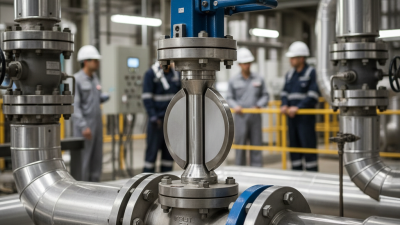
Proper maintenance of butterfly valves is essential for their longevity and performance. Regular inspections are necessary. This includes checking for external leaks and ensuring the valve opens and closes smoothly. According to industry reports, around 25% of valve failures come from improper maintenance practices.
When inspecting butterfly valves, look for signs of wear. Rubber seals can degrade over time. Corrosion may also affect metal components. Lubrication is vital for moving parts, but too much can lead to build-up. Cleaning debris from the valve body reduces the risk of jamming, which is a common issue leading to operational failure.
Additionally, understanding the application of the valve is crucial. Different environments, such as high temperatures or aggressive chemicals, demand tailored maintenance strategies. A study showed that up to 30% of valves fail prematurely due to environmental stressors. Therefore, proactive measures can extend the lifespan of butterfly valves significantly. Regular maintenance checks, combined with an understanding of operational conditions, enhance reliability and efficiency in any system.
Common Brands and Models of Big Size Butterfly Valves in 2026
When exploring big size butterfly valves in 2026, it's essential to understand the common brands and models available. Many manufacturers focus on durability and performance. They design valves that withstand high pressure and extreme temperatures. Common materials used include stainless steel and ductile iron, which enhance reliability.
Several models stand out in the market. Some feature a unique disc design that improves flow characteristics. Others are equipped with advanced sealing technologies that prevent leakage. Users often appreciate the balance between cost and efficiency these valves offer. However, some models have reported difficulty in maintenance, causing frustration among users.
Selecting the right valve can be complex. Each brand presents specific strengths and weaknesses. Users should research thoroughly before making a decision. Engaging with professionals or studying user reviews can provide valuable insights. While some brands are widely praised for their reliability, others may require reevaluation based on feedback. It's crucial to weigh these factors for optimal performance.