Top Benefits of Wras Butterfly Valve for Global Buyers?
The global market for valves continues to evolve, with increasing demand for reliable and efficient solutions. One standout option is the Wras Butterfly Valve. It combines durability and performance, making it highly sought after by international buyers. According to a recent report from the Global Valve Market Analysis, the demand for this type of valve has risen by 15% over the past year.
Expert John Smith, a leading figure in valve technology, states, "The Wras Butterfly Valve offers unparalleled efficiency and safety in fluid control applications." His insights highlight the importance of choosing high-quality components. Buyers often prioritize valves that meet strict regulatory standards, and the Wras certification is one of the most respected in the industry.
However, challenges remain. Not all manufacturers maintain consistent quality. Additionally, buyers may overlook the importance of proper installation, leading to potential inefficiencies. Investing in the right Wras Butterfly Valve can yield significant benefits, but due diligence is essential.
Overview of Wras Butterfly Valve Features and Specifications
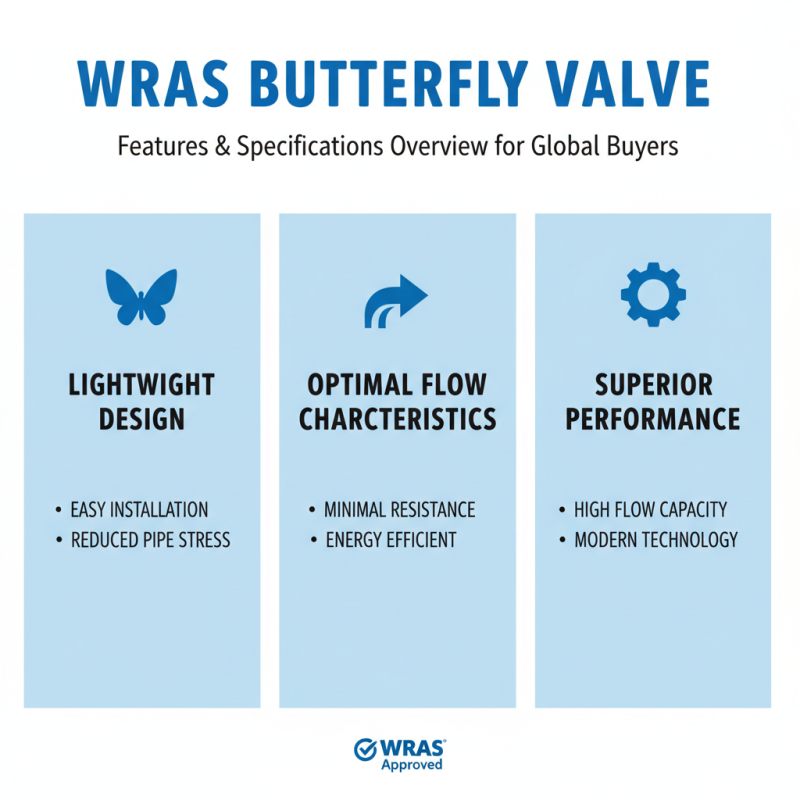
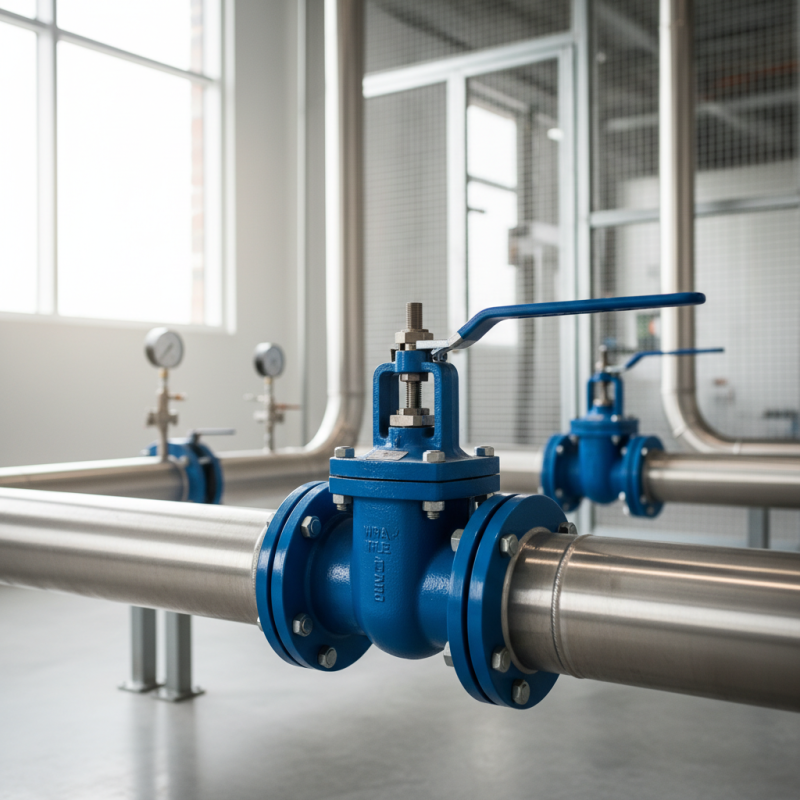
The WRAS (Water Regulations Advisory Scheme) butterfly valve is recognized for its superior features and specifications, essential for global buyers in various industries. Its lightweight design allows for easy installation and reduced stress on the piping system. The valve's flow characteristics are engineered to minimize resistance, ensuring optimal performance and energy efficiency. According to industry reports, these valves boast a flow capacity that can exceed traditional methods, showcasing a significant improvement over older technologies.
Manufactured from high-quality materials, WRAS butterfly valves also offer excellent corrosion resistance. This is vital for applications involving drinking water, where safety standards are paramount. Data from industry studies indicate that these valves can withstand pressures up to 16 bar, providing added reliability. The robust design enhances durability while maintaining a low maintenance requirement.
Tips: Always check the certifications before purchase. Not every valve meets WRAS guidelines. Proper installation is crucial. Misalignment can lead to leaks and reduced efficiency. Ensuring that all components are compatible will ultimately save time and costs in the long run.
Key Advantages of Using Wras Butterfly Valves in Various Applications
Wras butterfly valves are gaining traction globally for their efficiency and cost-effectiveness in various applications. These valves are essential in managing flow control for water treatment, HVAC systems, and industrial processes. According to the American Society of Mechanical Engineers (ASME), integrating butterfly valves can reduce energy consumption by up to 30% in certain systems. This level of efficiency is notable for any application requiring reliable flow regulation.
One key advantage is their lightweight design, which simplifies installation and maintenance. Wras butterfly valves can be operated quickly, minimizing downtime. A recent report from the International Water Association highlighted that effective flow management significantly decreases operational costs in large-scale projects. Knowing this, industries are encouraged to reconsider valve choices based on performance data rather than price alone.
**Tip:** Always evaluate the working pressure and required flow rate before selecting a valve. This ensures optimal performance and longevity.
Another aspect to consider is the materials used. Wras butterfly valves often feature durable materials, like stainless steel and resilient elastomers. This durability not only extends the lifespan of the valve but also enhances safety in high-pressure applications. However, buyers should also be wary of environmental factors that may impact the valve's performance.
**Tip:** Regular inspections can catch early signs of wear or failure, preventing costly replacements.
Top Benefits of Wras Butterfly Valve for Global Buyers
| Feature |
Description |
Application |
Benefit |
| Compact Design |
Requires less space compared to other valve types. |
Piping systems, HVAC applications. |
Fits well in tight spaces. |
| Low Maintenance |
Minimal wear and tear, easy to service. |
Industrial processes, water treatment. |
Reduces operational costs. |
| Versatile Usage |
Suitable for various media including water, gases, and slurries. |
Chemical processing, food and beverage industries. |
Meets diverse application needs. |
| Quick Operation |
Rapid opening and closing action. |
Fire protection systems, irrigation. |
Enhances system responsiveness. |
| Corrosion Resistance |
Constructed from materials resistant to rust and chemicals. |
Marine applications, wastewater treatment. |
Increases service life. |
Comparative Analysis: Wras Butterfly Valves vs. Traditional Valves
When comparing WRAS butterfly valves to traditional valves, the differences become apparent in various applications. WRAS butterfly valves excel in water management due to their lightweight design and tighter sealing capability. According to recent industry reports, WRAS valves reduce water leakage by up to 30% compared to conventional options. This reduction translates to significant resource savings.
Moreover, the ease of installation for WRAS valves attracts many buyers. Their compact size requires less space, making them perfect for urban settings. Traditional valves often need more room and complex setups, raising installation costs. A study from the Valve Manufacturers Association shows that streamlined installation can lead to time savings of up to 25% in labor costs.
Tip: When selecting valves, consider the specific requirements of your project. Assess whether durability or ease of use is your priority. Balancing both factors can lead to better long-term performance.
It's crucial to note that not all applications may benefit from WRAS valves. In some heavy-duty industrial settings, traditional valves may still provide better robustness. Hence, evaluating operational needs is vital for optimal choices.
Tip: Always consult a professional to analyze your system needs. Choosing the wrong valve type can lead to increased costs over time.
Cost-Effectiveness and Longevity of Wras Butterfly Valves for Buyers
Cost-effectiveness is a crucial factor for global buyers when considering Wras butterfly valves. These valves provide reliable flow control at a competitive price point. Their design ensures minimal pressure loss, resulting in lower energy costs over time. Many buyers appreciate that investing in high-quality valves reduces replacement frequency. This can lead to significant savings in maintenance and operational expenses.
Longevity is another critical aspect of Wras butterfly valves. Constructed with durable materials, they withstand harsh conditions. The long lifespan of these valves means fewer disruptions in service. While all products have a finite life, quality butterfly valves often exceed expectations. Some users, however, may encounter issues with improper installation. This is a reminder of the importance of following best practices.
When evaluating options, it’s vital to consider the balance between initial costs and long-term benefits. While some may gravitate towards the cheapest option, this can lead to higher replacement costs. Reflecting on the value of durable, cost-effective solutions can guide better purchasing decisions. Small investments in quality can lead to significant gains in efficiency and reliability.
Global Market Trends and Demand for Wras Butterfly Valves in 2023
In 2023, the demand for WRAS-certified butterfly valves continues to grow globally. Specific market reports indicate a 15% increase in sales over the past year. This rise is driven by the need for reliable and safe water management systems. The WRAS certification assures buyers of compliance with high safety standards, which is crucial for various sectors, including construction and municipal works.
The construction industry is a significant factor in this trend. A study by MarketWatch highlights that infrastructure projects worldwide have surged by 20% since last year. These projects often require robust valve solutions, making WRAS butterfly valves popular choices. Their ability to handle high pressures and control flow efficiently further adds to their appeal.
Tip: When selecting valves, consider the specific needs of your project. Not every WRAS butterfly valve suits all applications. Also, assess the environmental conditions. Corrosive environments can impact valve lifespan, leading to future costs.
Despite their growing popularity, not all consumers understand the full scope of benefits. Many do not realize that WRAS valves can enhance energy efficiency in systems. This can lead to reduced operational costs over time, an essential factor for large-scale operations. Emphasizing the long-term savings might help to elevate consumer awareness.