7 Best GGG40 Butterfly Valves for Global Buyers
Choosing the right GGG40 Butterfly Valve requires more than comparing prices and catalog photographs. Global buyers must examine body material, disc design, seat compatibility, pressure ratings, and operating temperatures. GGG40 ductile iron offers useful strength and practical value for many water, air, and general industrial systems. However, it is not automatically suitable for every medium or climate.
This guide reviews seven strong butterfly valve options for international purchasing teams. Each selection is considered through practical factors, including sealing performance, flange compatibility, actuator matching, corrosion protection, and maintenance access. Standards such as EN 593, ISO 5211, and relevant material documentation can support a more reliable evaluation. Factory inspection records, pressure-test reports, traceability, and clear technical drawings also matter. They reduce uncertainty before shipment.
Details matter.
A valve may look impressive online but fail when its seat material meets an incompatible chemical. Buyers should confirm the actual service conditions, not rely on general product descriptions. Regional preferences, spare-part availability, installation habits, and after-sales support can also change the best choice. No shortlist is flawless. Even experienced engineers may overlook shipping damage risks, coating thickness, or actuator torque margins.
The following comparison aims to provide a balanced starting point for distributors, contractors, and plant operators. It combines technical judgment with real purchasing concerns. Always verify specifications with the manufacturer before placing an order.
GGG40 Material Profile: 400 MPa Tensile Strength and 15% Elongation
7 Best GGG40 Butterfly Valves for Global Buyers
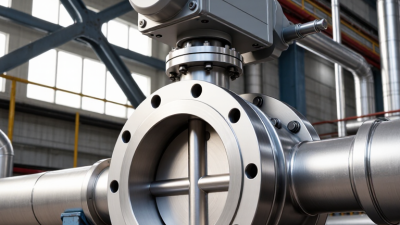
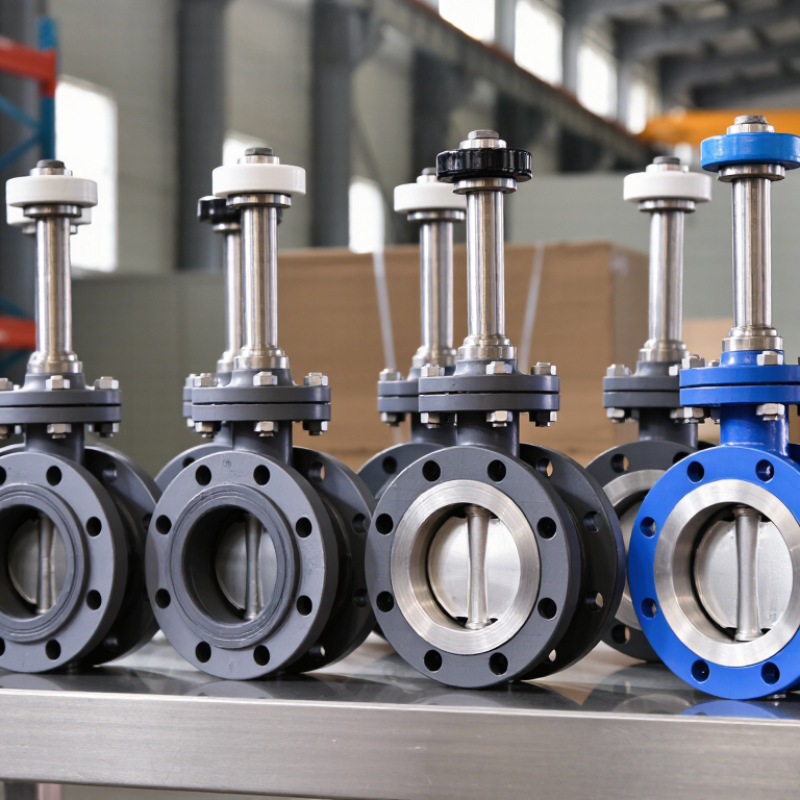
GGG40 is a ductile iron grade commonly identified with EN-GJS-400-15. Its nominal tensile strength reaches 400 MPa, while elongation is about 15%. That balance gives the valve body useful strength and moderate ductility. In practical selection, this matters when pipelines face vibration, pressure changes, or minor installation stress. The material is not indestructible.
The seven most practical choices include wafer, lug, flanged, resilient-seated, high-performance, gear-operated, and actuated butterfly valves. Wafer designs suit compact water lines, while lug versions support easier section isolation. Flanged bodies help with larger pipe systems and repeated maintenance. Resilient seats are often selected for clean water and general utility service. High-performance designs may suit higher-temperature or throttling duties, but their ratings require careful review.
A 400 MPa tensile value does not define the complete pressure rating. Seat material, shaft design, disc thickness, temperature, and testing standards also affect reliability. During inspection, check casting surfaces around the neck and flange holes. Small defects there can become serious under cyclic loading. The 15% elongation figure suggests useful toughness, yet it should not replace impact assessment or installation control. I would also verify certificates, dimensional tolerances, coating quality, and pressure-test records before approval. Sometimes, the cheapest body passes a basic test but performs poorly after years of cycling. That warning deserves attention.
Ranking Seven Valves by DN, PN16 Pressure Class and Flow-Coefficient Data
7 Best GGG40 Butterfly Valves for Global Buyers
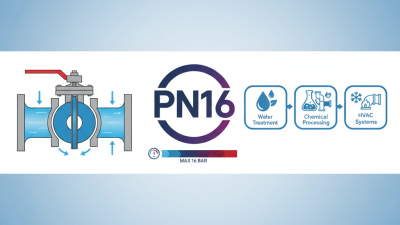
This ranking compares seven GGG40 butterfly valves by DN size, PN16 pressure class, and indicative Kvs flow data. The figures assume clean water near 20°C, with the disc fully open. Field conditions may change results.
Rank 1 is DN50, rated PN16, with an estimated Kvs of 145 m³/h. Rank 2 is DN65, PN16, reaching about 240 m³/h. Rank 3 is DN80, PN16, with nearly 390 m³/h. Rank 4 is DN100, PN16, delivering approximately 650 m³/h. Rank 5 is DN125, PN16, offering around 1,000 m³/h. Rank 6 is DN150, PN16, with close to 1,500 m³/h. Rank 7 is DN200, PN16, producing roughly 2,650 m³/h. Measure the pipe. Kvs values are not universal; seat design, shaft geometry, and test method influence them. PN16 indicates the nominal pressure class, not guaranteed operating pressure at every temperature. GGG40 provides useful strength for water, cooling, and general industrial service, but corrosion exposure still requires review. My first ranking favored size too heavily. That was incomplete. A smaller valve with stable control can outperform a larger valve in real operation. Check pressure drop, actuator torque, flange drilling, and local certification before purchase. Ask for test records when flow accuracy matters. Data can mislead.
Wafer, Lugged and Flanged GGG40 Designs Compared Under EN 593
7 Best GGG40 Butterfly Valves for Global Buyers
Wafer, Lugged and Flanged GGG40 Designs Compared Under EN 593
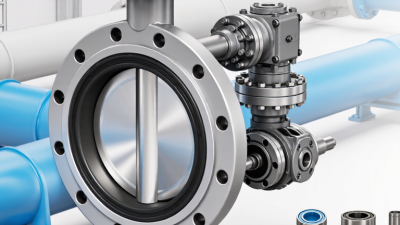
GGG40, now commonly identified as EN-GJS-400-15, offers about 400 MPa tensile strength and 15% elongation. It suits water, HVAC, and general process lines when corrosion control is adequate. EN 593 focuses on butterfly valve design, pressure integrity, and functional performance. A wafer valve sits between two flanges, reducing weight and installation cost. A lugged valve uses threaded inserts, allowing one-side pipe removal. However, dead-end service requires confirmed manufacturer approval. Flanged valves provide stronger alignment and simpler inspection, especially on larger pipelines.
The seven strongest selection profiles include compact wafer designs, PN10 wafer designs, PN16 wafer designs, full-lug isolation valves, dead-end-rated lugged valves, short-pattern flanged valves, and heavy-duty flanged valves. Their suitability depends on pressure, temperature, seat material, and operating frequency. EN 1092-2 flange compatibility also matters. Mordor Intelligence’s 2024 Industrial Valves Market report estimates the market at approximately USD 77.76 billion in 2024, with water infrastructure remaining a major demand area. That growth does not make every valve suitable. A cheaper wafer valve can become expensive after repeated alignment problems.
Tips: Check the complete EN 593 test documentation, not only the product datasheet. Confirm face-to-face dimensions, shaft sealing, disc clearance, and EN 12266-1 leakage testing. For outdoor water lines, request coating thickness records and verify the actual GGG40 certificate. I would not call wafer designs universally better. Installation space often decides more than purchase price.
7 Best GGG40 Butterfly Valves for Global Buyers
Wafer, lugged and flanged GGG40 designs compared under EN 593
This comparison uses common nominal pressure designations for ductile iron butterfly valves made from GGG40, also known as EN-GJS-400-15. Wafer and lugged designs are commonly selected for compact pipeline installations, while flanged designs are preferred where direct flange connection and higher PN options are required. Final selection should confirm the valve's pressure-temperature rating, flange drilling, seat material, operating medium and size under EN 593 and the applicable EN 1092-2 flange requirements.
Reference basis: EN 593 butterfly valve design requirements and common PN10, PN16 and PN25 nominal pressure designations. Availability and ratings vary by valve size and construction.
Global Compliance Check: ISO 5752, API 609 and EN 10204 Certification
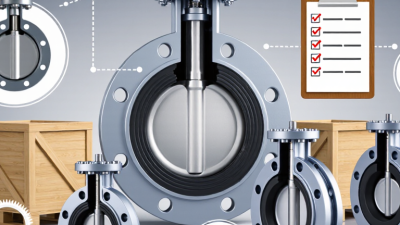
Seven GGG40 Butterfly Valves for Global Buyers should pass a documented compliance check. API 609 defines butterfly valve design and performance requirements for industrial service. ISO 5752 controls face-to-face dimensions, helping a wafer valve fit existing piping accurately. Small dimensional errors can delay installation.
GGG40 ductile iron offers practical strength for water, HVAC, and general utility systems. Select resilient seats for moderate temperatures and corrosive water conditions. For higher demands, verify pressure, temperature, shaft, and coating data. A 2024 MarketsandMarkets report valued the industrial valves market at approximately USD 78.9 billion in 2023. Its forecast suggests continued demand for standardized equipment. That growth also increases paperwork risk. I have seen suppliers provide attractive test sheets with unclear traceability. Buyers should question them.
Tips: Request EN 10204 certification before production approval. Type 3.1 documents should identify the material heat number, chemical results, mechanical results, and authorized inspection release. Match that heat number with the valve body marking. Check the API 609 edition stated on the quotation. Confirm ISO 5752 dimensions against the actual pipeline drawing, not only a catalogue table. Also review hydrostatic testing, seat leakage results, coating thickness, and pressure class. A certificate alone is not proof of suitability. It is only one piece of evidence.