request to quote
Leave Your Message

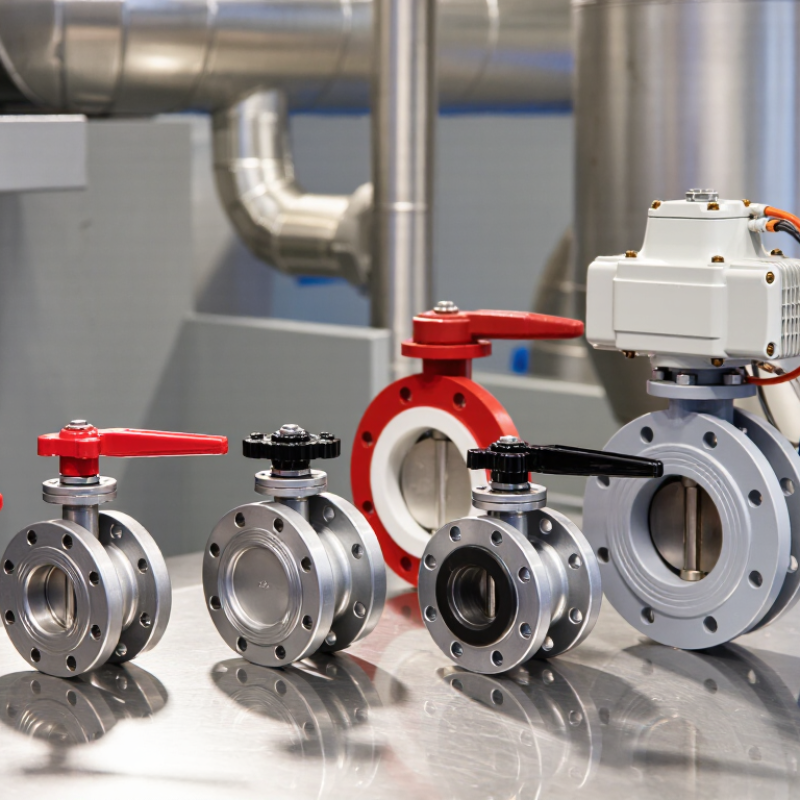
7 Best IP67 Butterfly Valves for Global Buyers

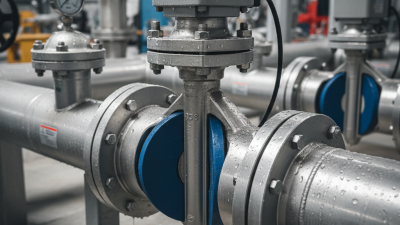
Choosing a butterfly valve for international service takes more than comparing prices. An Ip67 Butterfly Valve offers a defined level of protection against dust and temporary immersion, but its rating does not prove suitability for every wet installation. Buyers should check the test conditions, valve materials, pressure range, operating temperature, and compatible media. A gasket that looks robust on a product photo may behave differently after repeated cycling.

Valve applications specialist Mark Ellison puts the point simply: “IP67 protects the enclosure under specified test conditions; it does not replace a process review.” Treat that as a useful buying principle, not a substitute for the manufacturer’s test records. Ask for the datasheet, inspection details, and clear confirmation of what the rating covers. Small details matter. Is the actuator included in the rating? Are cable entries and covers sealed as supplied? Those questions can prevent costly surprises.

This guide compares seven options for global buyers, focusing on protection claims, materials, actuation, documentation, and support. A low purchase price can be tempting. Yet spare-part access, delivery consistency, and readable technical documents often matter more over years of service. No shortlist can fit every plant. A valve selected for a washdown area may be wrong for another duty, even when both buyers request IP67. Check the limits carefully, and leave room for a second review before ordering.
7 Best IP67 Butterfly Valves for Global Buyers

What IP67 Means: IEC 60529 Dust-Tight Protection and 1 m Immersion for 30 Minutes

IP67 describes an enclosure’s resistance to dust and temporary immersion under IEC 60529. The first digit, 6, means dust-tight protection. The second digit, 7, covers immersion in water up to 1 metre for 30 minutes. These are defined test conditions, not a guarantee against every wet-site hazard. Not the whole valve.

For butterfly valves, check which parts were tested: the actuator enclosure, electrical connections, and cable entries may have different protection levels. IEC 60529, clause 14.2.7, defines the IPX7 immersion test; it does not establish resistance to water jets, corrosive fluids, or continuous submersion. A test report tied to the exact assembly is more useful than an IP67 label alone. Small detail, big consequence. Also confirm whether the valve is expected to operate during immersion or merely remain protected afterward. That distinction is easy to overlook, and the standard rating alone does not answer it.
How Butterfly Valves Work: Quarter-Turn Operation and Common Valve Types

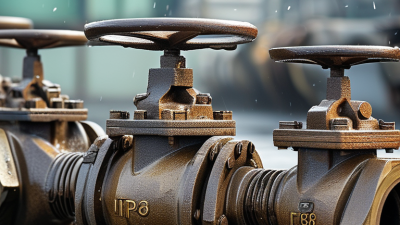
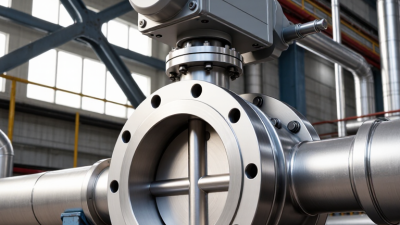
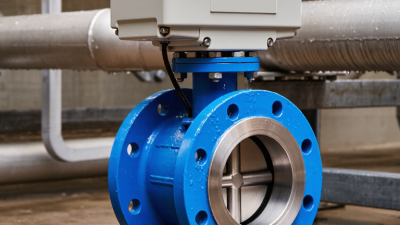
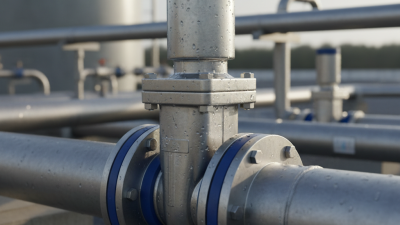
A butterfly valve controls flow with a disc mounted on a rotating stem. A quarter-turn moves the disc from open, where it sits nearly parallel to flow, to closed, where it blocks the pipe. The compact movement allows quick operation, but the disc remains in the flow path when open. That can affect pressure drop, especially in smaller pipes. Common designs include concentric valves for general service and double- or triple-offset designs for higher-pressure or metal-seated applications. Wafer and lug describe body and installation styles, not disc geometry.

Selection needs more than a quick look at the pressure rating. ISO 5208:2015 defines leakage-rate tests for industrial valves; its Rate A criterion requires no visually detectable leakage during testing. Match the specified seat material, operating temperature, fluid, and cycle frequency to actual service conditions. An IP67 actuator enclosure rating addresses dust and temporary immersion, not the valve’s internal shutoff performance. A neat specification sheet can still leave a gap: confirm the valve and actuator are tested as an assembly where the application demands it.

Tips: Check the flow direction and available clearance before installation. Then verify the actuator’s torque margin and the required leakage class against the project specification.

Where IP67 Butterfly Valves Fit in Water, HVAC, and Process Systems

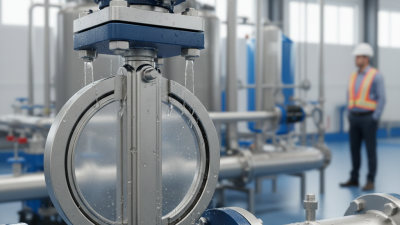
IP67 butterfly valves are useful where water, HVAC, and process systems expose actuators to dust, spray, or brief flooding. In a pump room, an actuator may sit near a floor drain; outdoors, rain and washdown can reach the enclosure. IP67 indicates tested dust protection and resistance to temporary immersion under specified conditions. It does not mean continuous underwater operation, nor does it define pressure rating or chemical compatibility. That distinction matters.

In water systems, butterfly valves can isolate large pipes with relatively compact installation space. HVAC teams use them on chilled-water and condenser-water lines, where quarter-turn operation supports routine maintenance. Process systems may carry treated water, mild chemicals, or other utility fluids, but seat and disc materials must suit the actual medium and temperature. Check actuator torque against pipe size, differential pressure, and expected cycling. Confirm wiring entries, mounting orientation, and enclosure condition after installation. A rating can be misunderstood. One overlooked cable gland can weaken protection, and real sites are rarely as clean as drawings suggest.

7 Best IP67 Butterfly Valve Configurations for Global Buyers — Where They Fit in Water, HVAC, and Process Systems

This comparison covers generic valve configurations, not specific brands or models. IP67 normally describes the protection of an electrical actuator enclosure under IEC 60529; it does not define the valve’s pressure rating or make the valve suitable for continuous underwater operation.

Configuration Typical size and pressure range Common materials and seat Where it fits Why choose an IP67 actuator Key selection check
1. Resilient-seated wafer butterfly valve Commonly DN50–DN1200; often offered for PN10 or PN16 service. Ductile iron or cast iron body; ductile iron or stainless-steel disc; elastomer seat such as EPDM. Potable and utility water, water treatment, and general low-pressure water distribution. Helps protect the actuator enclosure from dust and temporary water immersion in exposed or washdown-prone installations. Confirm flange compatibility, water chemistry, seat material, temperature limits, and required shut-off performance.
2. Resilient-seated lug butterfly valve Commonly DN50–DN600; PN10 and PN16 options are widely used, depending on design. Ductile iron or cast iron body; coated or stainless-steel disc; elastomer seat. Water networks and equipment isolation where a valve may need to be removed from one side of the pipeline. Useful where the actuator is installed outdoors or may encounter rain, dust, or temporary flooding. Check whether the design is rated for end-of-line service and whether the required bolt pattern and pressure rating are available.
3. Double-flanged butterfly valve Commonly DN100–DN2000; pressure classes vary, with PN10 and PN16 common in water applications. Ductile iron, cast iron, or steel body; disc and seat materials selected for the fluid and service conditions. Large-diameter water transmission, pumping stations, reservoirs, and treatment-plant pipelines. Can add enclosure protection for actuators installed in damp valve chambers or exposed plant areas. Verify face-to-face dimensions, flange drilling, pressure rating, and access for installation and maintenance.
4. Wafer butterfly valve for HVAC Commonly DN50–DN600; PN10 or PN16 designs are frequently used in building services. Cast or ductile iron body; coated or stainless-steel disc; EPDM is common for compatible chilled- and hot-water duties. Chilled-water, condenser-water, and heating-water isolation in commercial and industrial HVAC systems. Provides a practical enclosure-protection option for plant rooms, rooftop equipment, and damp service locations. Check water/glycol compatibility, operating temperature, actuator duty cycle, and the available space around the pipe.
5. Double-offset high-performance butterfly valve Commonly available in medium and large sizes; designs may be rated to PN16/PN25 or ASME Class 150, subject to the specific design. Carbon steel or stainless-steel body; metal or polymer-based seat options; stainless-steel trim is common. Industrial water, utility services, and selected process duties requiring higher pressure or temperature capability than many soft-seated designs. Helps protect electrical actuation in outdoor process areas and installations exposed to dust or temporary water immersion. Match the seat, materials, pressure-temperature limits, and leakage requirements to the actual fluid and operating conditions.
6. Triple-offset metal-seated butterfly valve Available across a broad size range; pressure classes can include PN16/PN25/PN40 or ASME Class 150/300, depending on the design. Metal body and trim, typically with engineered metal-to-metal seating; materials depend on temperature and corrosion requirements. Higher-temperature or demanding process services where a metal seat may be required, including some steam and hydrocarbon duties. Can suit electrically actuated valves in exposed process locations, provided the actuator and installation conditions are correctly specified. Check applicable design standards, fire-safe or emissions requirements where relevant, temperature limits, and required shut-off class.
7. Actuated butterfly valve for remote on/off or modulating service Valve size and pressure rating depend on the selected wafer, lug, flanged, or high-performance valve body. Body, disc, seat, and trim must be selected for the process fluid; electric actuators may be configured for on/off or control duty. Automated water treatment, HVAC plant control, and process systems with remote operation or control-room integration. IP67 enclosure protection can be appropriate where dust and temporary immersion are credible hazards at the actuator location. Specify control signal, fail action if needed, torque margin, cycle frequency, ambient temperature, cable entries, and any hazardous-area certification separately.

Size and pressure ranges shown are general market examples, not guarantees for every design. Confirm the applicable valve standard, pressure-temperature rating, materials, flange dimensions, actuator protection, and service conditions with the technical documentation for the selected product.

How to Compare 7 Best IP67 Butterfly Valves by Size, Pressure, and Materials

When comparing seven IP67 butterfly valves, start with nominal size and installation space. A DN100 valve may fit the line but leave too little room for its actuator or nearby pipe supports. Check face-to-face dimensions, flange drilling, and operating clearance against the actual layout. Small details matter. Compare the same size across all seven options; otherwise, price and torque differences can be misleading.

Pressure needs careful reading. Check the valve’s rated pressure and allowable differential pressure, not just the pipe system’s normal operating pressure. Also confirm the temperature range, since heat can affect seat performance. Body and disc materials should suit the fluid: ductile iron may work for many water services, while stainless steel can be preferable in more corrosive conditions. EPDM and PTFE seats behave differently with chemicals and temperature. Verify compatibility rather than guessing.

IP67 describes enclosure protection against dust and temporary immersion under specified test conditions; it does not set the valve’s pressure rating or prove suitability for continuous submersion. Confirm whether the rating applies to the actuator, switches, or complete assembly. I still check the installation details twice, because product tables can leave out important limits. That assumption can be wrong. For each of the seven valves, compare size, pressure limits, materials, and documented test conditions side by side.

How to Verify Actuator IP Ratings, Torque, and Installation Requirements

An IP67 label applies to the actuator enclosure, not automatically to the complete butterfly-valve assembly. IEC 60529 defines IP6X as dust-tight and IPX7 as protection during temporary immersion, tested at up to one metre for 30 minutes under specified conditions. Check the test certificate, not just the product page. A neat label can still mislead.

Confirm that the rating covers the installed actuator, cable entries, plugs, and position indicators. Ask whether the test used the same enclosure configuration you will receive. IP67 does not prove suitability for continuous submersion, washdown chemicals, or every outdoor exposure. Small details matter: an unused cable port needs its specified sealing plug.

Size actuator torque against the valve’s breakaway, running, and seating torque at the actual pressure and temperature. Compare the actuator’s available output with the valve maker’s documented requirements, including any stated service margin. ISO 5211:2017 addresses the mounting interface; it does not certify torque capacity or IP protection. Verify the flange, stem dimensions, rotation, and clearance before ordering. Field alignment can be awkward, and published torque figures may not reflect a fouled or long-idle valve. Ask for the test conditions and torque curve.

7 Best IP67 Butterfly Valves for Global Buyers — How to Verify Actuator IP Ratings, Torque, and Installation Requirements

Compare common IEC 60529 IP codes by their first digit (solid-particle protection) and second digit (water protection).

The digits are protection classifications, not linear performance measurements. IP67 specifies dust-tight protection and temporary immersion in water up to 1 m for 30 minutes under the standard test; IP68 immersion conditions are specified by the manufacturer. An IP rating does not confirm actuator torque or mounting compatibility—check the valve’s required torque across its operating conditions, actuator output, mounting interface, supply, and duty cycle.