What is a Bubble Tight Butterfly Valve and its Uses?
The Bubble Tight Butterfly Valve is a crucial component in various fluid control systems. This valve boasts a unique design that ensures a tight seal, preventing leaks. It is often used in industries like oil and gas, water treatment, and chemical processing. The valve operates with a simple quarter-turn motion, making it user-friendly and efficient.
In demanding environments, the Bubble Tight Butterfly Valve excels due to its durability and reliability. The valve can handle different pressures and temperatures, enhancing its versatility. It is essential in situations where maintaining system integrity is vital. This capability allows for smoother operations and reduces the risk of contamination.
Despite its advantages, not all applications may suit the Bubble Tight Butterfly Valve. Users should consider their specific needs and conditions. For instance, some installations may require a higher level of precision than this valve can provide. Understanding its limitations is important for optimal performance and safety.
Definition and Functionality of Bubble Tight Butterfly Valves
Bubble tight butterfly valves are essential in various industries for their reliability in preventing leaks. These valves provide a tight seal when closed, minimizing the risk of leakage in pressurized systems. According to a recent industry report, valve leakage can account for significant financial losses, sometimes exceeding $1 million annually in large-scale operations. The technology behind bubble tight designs ensures that even under extreme conditions, the valves maintain integrity.
These valves function by using a disc that rotates to either stop or allow fluid flow. Their simple design requires less space compared to traditional valves, making them ideal for tight installations. The American Petroleum Institute indicates that implementing bubble tight valves can lead to improved efficiency by up to 25%, enhancing overall operational productivity. However, not every installation guarantees optimal performance. Factors like improper sizing or material selection can undermine their expected functionality.
Additionally, while bubble tight butterfly valves offer excellent sealing capabilities, they are not immune to failure. Common issues include wear on the seal and damage from corrosive substances. Regular maintenance is crucial to prevent disruptions. Industry experts recommend periodic inspections to ensure that systems function within their designed parameters. Such proactive measures help mitigate potential risks and bolster long-term reliability.
Key Components of Bubble Tight Butterfly Valves
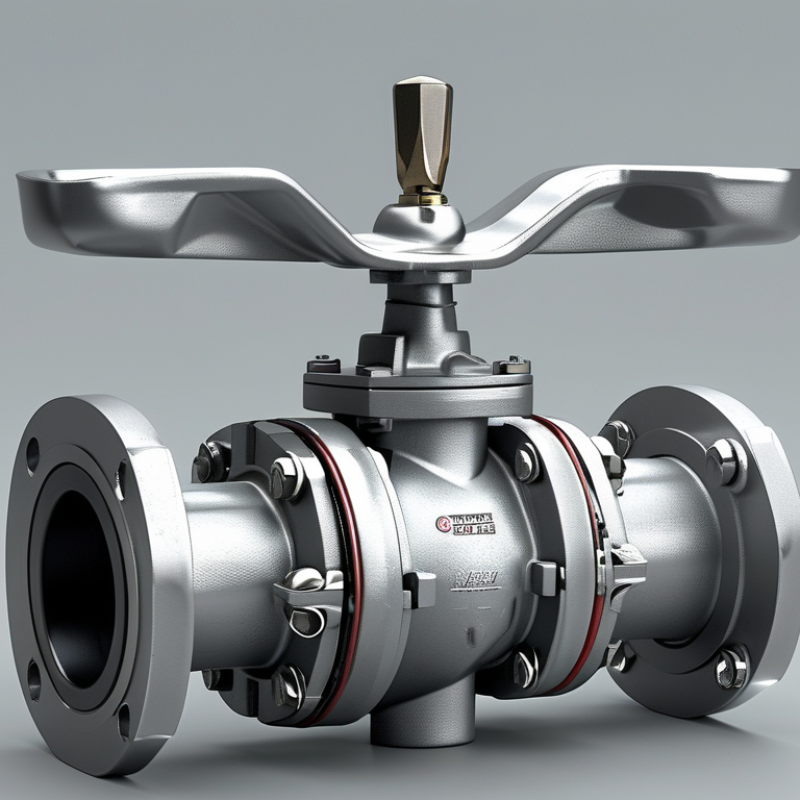
Bubble tight butterfly valves are essential in various industries where leak prevention is critical. Key components of these valves play a significant role in ensuring their effectiveness. The body of the valve is typically made from durable materials, designed to withstand high pressures. This construction helps maintain a tight seal, preventing any fluid leakage.
One of the most critical components is the disc, which controls the flow of the fluid. When the valve is closed, the disc seals tightly against the seat, creating a barrier. The seat material is often a soft yet resilient polymer, allowing for better sealing under different pressure conditions. Spindle and actuator components also contribute to the valve's operation, ensuring smooth opening and closing.
Despite their effectiveness, bubble tight butterfly valves can have limitations. Over time, wear can occur, potentially compromising their sealing ability. Regular maintenance and inspections are essential to ensure they function optimally. The complexity of installation and alignment may also pose challenges. Understanding these aspects is crucial for anyone considering using these valves in their systems.
Applications of Bubble Tight Butterfly Valves in Various Industries
Bubble tight butterfly valves are crucial in various industries due to their ability to provide excellent sealing. These valves ensure no leakage occurs, which is essential in many applications. They are designed to maintain pressure and prevent the escape of gases and liquids. Their versatility makes them a preferred choice in industries such as water treatment, oil and gas, and pharmaceuticals.
In water treatment facilities, bubble tight butterfly valves regulate flow and manage pressure effectively. They prevent contamination by ensuring that water remains sealed within the system. In the oil and gas sector, these valves handle extreme conditions. They control flow rates and protect sensitive equipment from leaks. In pharmaceutical manufacturing, precise control is vital. Bubble tight butterfly valves help maintain the integrity of the products by ensuring sterile conditions.
Despite their advantages, challenges persist. Maintenance is often overlooked, which can affect their performance. Operators must regularly check seals and replace worn parts. Training for personnel is vital to ensure proper operation. Awareness of potential issues can enhance reliability. Understanding the limitations of these valves can lead to better decisions in their application.
Advantages of Using Bubble Tight Butterfly Valves
Bubble tight butterfly valves are known for their excellent sealing ability. These valves can prevent any leakage, ensuring that fluids remain contained. According to industry reports, these valves can maintain a tight seal under extreme pressure conditions. This characteristic makes them valuable in various industries, such as chemical processing and wastewater management.
One of the significant advantages of bubble tight butterfly valves lies in their efficiency. They are lightweight and easy to install. Reports suggest that companies can save up to 30% on installation costs compared to traditional valves. Additionally, these valves require less maintenance, which further reduces operational costs. They can operate in high flow systems without significant pressure drops, a crucial factor for energy efficiency.
However, not all applications may benefit. Bubble tight designs can sometimes be more expensive upfront. This can lead to hesitation among some operators. The long-term savings may not be immediately apparent. Reevaluating operational needs and cost structures can provide clarity on their true value. Emphasizing training for proper installation is crucial to maximizing performance.
Maintenance and Troubleshooting for Bubble Tight Butterfly Valves
Bubble tight butterfly valves are essential components in fluid control systems. These valves are designed to ensure no leakage occurs when closed. However, like all mechanical systems, they require regular maintenance to operate efficiently.
Monitoring the valve's performance is crucial. Look for signs of wear or damage, such as corrosion or misalignment. If you notice any abnormal sounds during operation, this could indicate an issue. Tightening fasteners and inspecting seals should be done periodically. These steps help prevent more significant problems down the line.
Troubleshooting minor issues can save time and energy. If a valve leaks, check the stem packing and the disc seats. Sometimes, simply adjusting the valve actuator can resolve minor leaks. Keeping a detailed maintenance log can aid in identifying repetitive issues. This helps ensure the valves remain bubble tight and minimize downtime in operations.