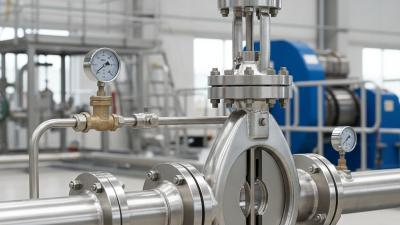
What is Butterfly Valve With Locking Device and Its Benefits?
The "Butterfly Valve With Locking Device" is a critical component in various industrial applications, offering enhanced safety and reliability. According to a report by Global Market Insights, the demand for butterfly valves is expected to exceed $2 billion by 2025. This growth underscores their importance in sectors like oil and gas, water treatment, and chemical processing.
Expert John Smith, a leading authority in valve technology, states, "The integration of a locking device significantly reduces the risk of unintended valve operation." This statement highlights the necessity of incorporating safety features into valve designs. A butterfly valve with a locking device not only improves operational control but also ensures that systems remain secure and efficient.
However, the industry must remain vigilant. The technology surrounding valve locking devices is evolving, and manufacturers face challenges in meeting regulatory standards and user expectations. Continuous innovation is essential. While the benefits are clear, the path to achieving optimal functionality in butterfly valves is complex and requires thoughtful consideration.
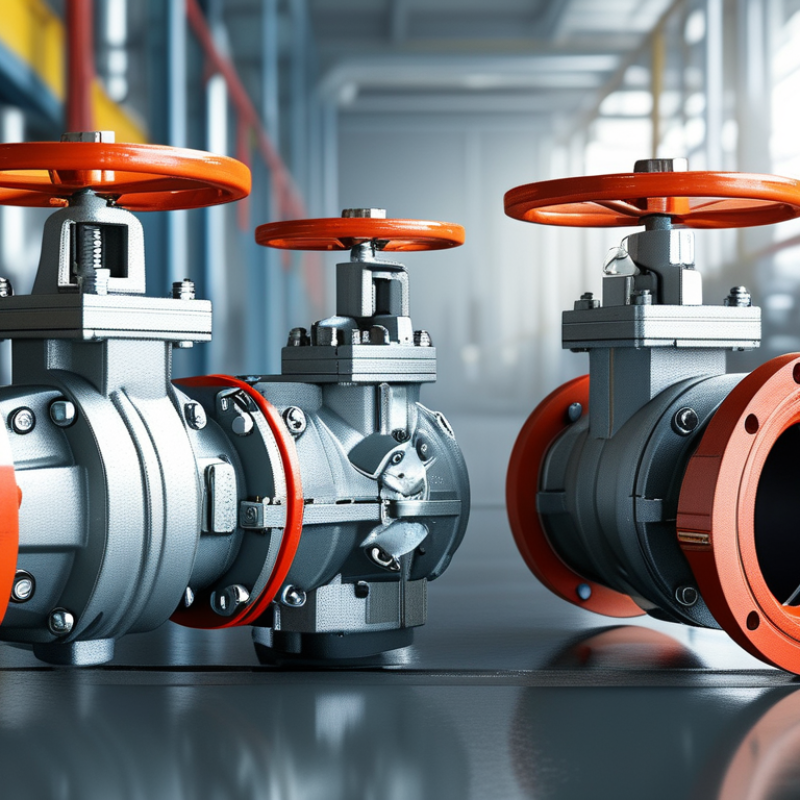
What is a Butterfly Valve with Locking Device?
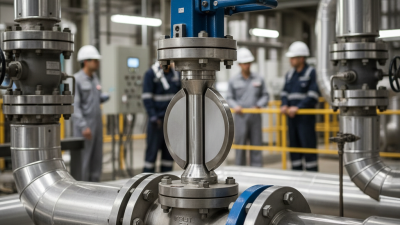
A butterfly valve with a locking device is a crucial component in many industrial applications. Primarily designed for flow regulation, it uses a rotating disc to control the passage of fluids. The addition of a locking mechanism significantly enhances safety and reliability. This feature ensures that the valve remains in a desired position, preventing accidental disengagement. The locking device can be particularly beneficial in high-pressure systems where any unintended valve movement can lead to hazardous situations.
According to a 2022 industry report, the global butterfly valve market is projected to grow by 5.4% annually. This growth is partly attributed to the increasing demand for automation in various sectors, including oil and gas, water treatment, and HVAC. Implementing locking devices in butterfly valves is gaining traction. The enhanced safety features help avoid costly leaks or failures. Industry experts suggest that these valves can reduce maintenance costs by up to 30% when properly utilized.
Despite their benefits, not all applications require a locking device. In certain low-risk environments, simpler valve designs may suffice. Choosing the correct valve type is essential. Users should assess specific operational needs and risks before selecting a butterfly valve with a locking mechanism. Each application has unique challenges that require thoughtful consideration to ensure optimal function and safety.
What is a Butterfly Valve With Locking Device and Its Benefits?
| Dimension |
Description |
Benefits |
| Size |
Available in various sizes from 2 inches to 48 inches |
Fits various piping systems |
| Material |
Typically made from cast iron, stainless steel, or PVC |
Durability and resistance to corrosion |
| Locking Mechanism |
Incorporated lock to prevent accidental operation |
Enhances safety in operations |
| Operating Temperature |
Can handle temperatures from -20°C to 100°C |
Versatile for various applications |
| Applications |
Used in water supply, wastewater treatment, and power generation |
Reliable performance in critical systems |
Components of a Butterfly Valve with Locking Device
A butterfly valve with a locking device consists of several key components that enhance its functionality and safety. The primary part is the valve body, which houses the disc and the locking mechanism. This valve design allows for the quick and efficient control of fluid flow, making it a staple in various industries. The disc is pivotal; it rotates to open and close the passage. A well-designed disc ensures a tight seal when closed, preventing leakage.
The locking device is crucial for safety, especially in high-pressure systems. This mechanism prevents accidental opening, which can be hazardous. Typically, the locking device is a simple yet effective latch or key system. In some designs, a handle lock is included, which secures the valve in place when not in use. This added layer of security is vital in environments where safety is paramount.
Interestingly, while these valves are effective, there are challenges. Aligning the components can be tricky during installation. A minor misalignment can lead to operational issues, disrupting workflow. Additionally, routine maintenance is required to ensure durability. Users must be diligent in checking for wear and tear, as neglect could lead to failures.
How Does a Locking Device Enhance Valve Functionality?
A butterfly valve with a locking device significantly enhances its functionality. Locking devices prevent accidental opening or closing of valves. This feature is essential in high-pressure environments where safety is paramount. According to a report by the Global Valve Market Research, locked valves reduce operational risks by up to 30%. Such mechanisms are vital in industries like oil and gas, where mishaps can lead to severe consequences.
Moreover, a locking device ensures that the butterfly valve remains secure during maintenance. During service operations, an unsecured valve may compromise system integrity. In fact, industry studies show that proper valve locking can lower maintenance costs by approximately 15%. This reduction is primarily due to fewer incidents and breakdowns. Effective locking devices also promote compliance with safety regulations, which is increasingly important in today's regulatory landscape.
While the benefits are clear, not all locking devices are foolproof. Some may require regular checks to ensure they function correctly. Over time, wear and tear can affect their reliability. It's crucial to evaluate locking mechanisms regularly to avoid frustrating situations. Understanding the limitations can lead to better maintenance strategies and enhance overall operational safety.
Key Benefits of Using Butterfly Valves with Locking Devices
Butterfly valves equipped with locking devices offer various advantages that enhance both safety and efficiency in industrial applications. These valves, known for their simple design, are lightweight and compact, making them suitable for numerous environments, including water treatment facilities and chemical processing plants. According to industry research, the global butterfly valve market is projected to reach USD 3.41 billion by 2025, highlighting their growing significance in various sectors.
One key benefit of butterfly valves with locking devices is increased safety. The locking mechanism prevents accidental opening or closing, which can lead to leaks or system failures. This feature is crucial in high-pressure systems where even a minor error can have catastrophic consequences. Additionally, the use of locking devices can reduce maintenance costs, with studies showing that systems implementing these valves experience fewer operational disruptions.
Tips: Always ensure the locking device is properly engaged. Regularly inspect the mechanism for wear or damage. Training staff on the proper operation of these valves can minimize human error.
Another advantage is energy efficiency. Research indicates that butterfly valves offer less resistance to flow compared to other valve types, reducing energy consumption. This is particularly relevant as industries strive to minimize operational costs and environmental impacts. While butterfly valves are generally reliable, organizations should continuously evaluate their performance to ensure all components function correctly and safely. Regular assessments can identify potential issues before they escalate, resulting in lower long-term costs.
Applications of Butterfly Valves with Locking Devices in Various Industries
Butterfly valves with locking devices are gaining traction across various industries. Their applications range from water treatment facilities to power plants. In the oil and gas sector, these valves provide reliable isolation to prevent leaks. Locking devices enhance safety by ensuring that the valve remains securely closed or open as needed.
In food and beverage industries, butterfly valves are used to maintain hygienic conditions. They simplify flow control and are easy to clean. Proper maintenance is crucial to ensure they function correctly, reducing downtime in operations. Consider using stainless steel materials for better durability and compliance with hygiene standards.
Tips: Always inspect the locking mechanism during routine maintenance. This will help identify wear early and avoid premature failure. Keep a log of valve operations; it aids in troubleshooting issues. Regular training for staff on proper handling is also beneficial for safety and efficiency.
Applications of Butterfly Valves with Locking Devices in Various Industries