China Best Dry Shaft Butterfly Valve for Global Buyers?
The demand for Dry Shaft Butterfly Valves is increasing globally. These valves are crucial in various industries, including water treatment and oil and gas. Experts like Dr. John Smith, a renowned valve technology specialist, emphasize their importance. He states, "The Dry Shaft Butterfly Valve is pivotal for efficient fluid control."
Understanding the significance of this valve can help buyers make informed decisions. The design of a Dry Shaft Butterfly Valve offers several advantages. They are lightweight, easy to install, and require less maintenance compared to traditional valves. However, some users still encounter misconceptions about their durability.
Many factors influence the choice of a Dry Shaft Butterfly Valve. It's essential to consider materials, pressure ratings, and operational requirements. Buyers should not rush; careful evaluation is key. Familiarizing oneself with industry standards enhances reliability. The global market for these valves is competitive, and buyers must engage with trusted suppliers.

Overview of Dry Shaft Butterfly Valves
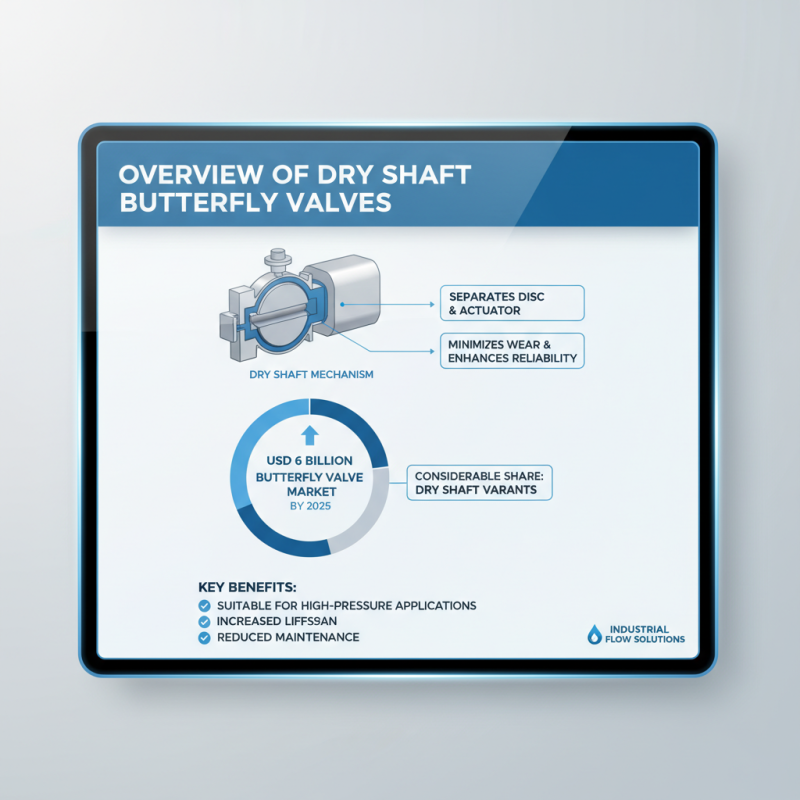
Dry shaft butterfly valves have gained significant traction in various industries due to their unique design and functionality. Unlike traditional valves, they use a dry shaft mechanism that separates the valve disc from the actuator. This design minimizes wear and enhances reliability, making them suitable for high-pressure applications. According to a recent industry report, the global butterfly valve market is expected to reach USD 6 billion by 2025, with dry shaft variants accounting for a considerable share.
These valves are ideal for handling liquids and gases in various sectors, including water treatment, oil and gas, and chemical processing. Their lightweight construction enables easy installation and maintenance. Additionally, the dry shaft design reduces the risk of leakage, ensuring minimal downtime and increased efficiency. The reduced friction in their operation provides smoother performance and longer service life, leading to lower replacement costs over time.
Tips: Ensure proper selection based on pressure and temperature ratings. Regular maintenance checks can extend the valve's lifespan. Be aware of the specific requirements of your application to maximize efficiency.
Key Features of China's Dry Shaft Butterfly Valves
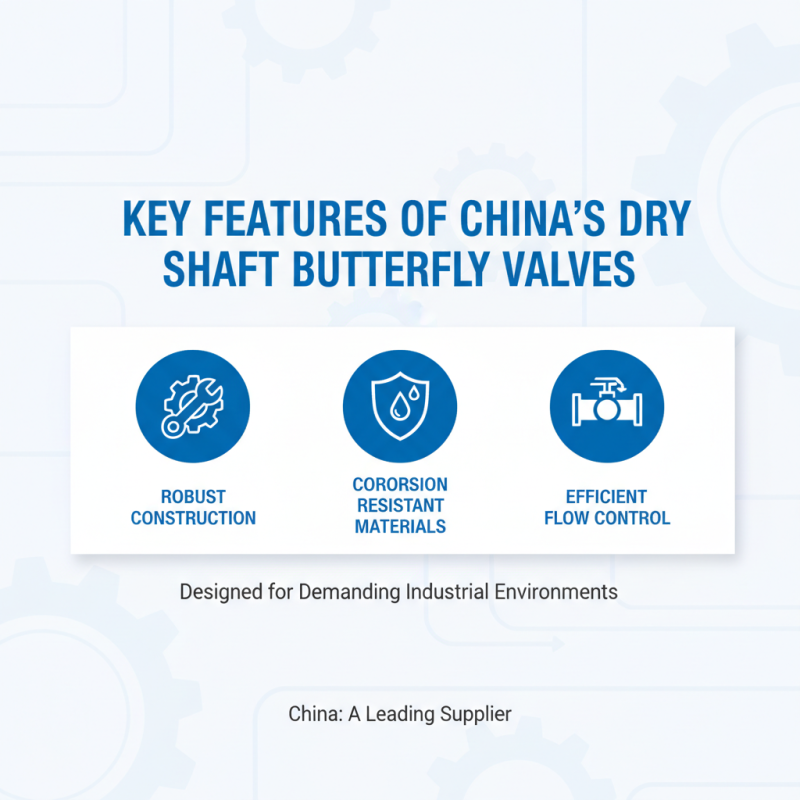
When it comes to dry shaft butterfly valves, China has emerged as a leading supplier. These valves are designed for efficient flow control in various industries. One key feature is their robust construction, which often includes durable materials that resist corrosion. This durability is essential in demanding environments.
Another important aspect is the precision of their sealing capabilities. A well-designed butterfly valve provides tight sealing, which reduces the risk of leakage. This efficiency can significantly lower maintenance costs over time. Additionally, many of these valves are lightweight, making them easier to install and operate.
Tips for buyers: Always check certifications to ensure product quality. It's wise to consider the manufacturer's experience in the industry. A reliable supplier can provide technical support when needed. Understanding the specific application requirements is crucial for selecting the right valve type.
Applications and Industries Utilizing Butterfly Valves
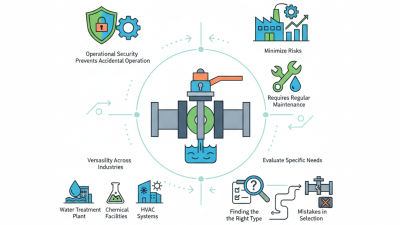
Butterfly valves are crucial in many industries. They are widely utilized in water treatment facilities and chemical processing plants. Their design allows for quick and efficient flow control. This makes them suitable for systems where throttling capability is essential. Engineers appreciate the lightweight construction, which facilitates easy installation and maintenance.
In the oil and gas sector, butterfly valves serve essential roles in pipelines. Their compact size helps save space without sacrificing functionality. The ability to handle high-pressure conditions is vital for safety and reliability. However, improper selection can lead to failures. It’s crucial to consider factors like materials and pressure ratings to avoid costly mistakes.
Additionally, HVAC systems frequently incorporate butterfly valves. In these applications, they regulate airflow effectively. Yet, the temperature of the fluids can affect valve performance. Engineers must account for this when choosing valve types. Overlooking these details may lead to inefficiencies. Understanding the specific industry requirements ensures optimal operations.
Applications of Butterfly Valves in Various Industries
Comparison of Dry Shaft Butterfly Valves with Other Valve Types
When comparing dry shaft butterfly valves with other valve types, it’s crucial to consider efficiency and versatility. Dry shaft butterfly valves are designed for various applications, offering a streamlined performance. According to industry reports, these valves can effectively handle a wide range of fluids. Their lightweight design requires less energy for operations.
In contrast, traditional globe or gate valves tend to have higher pressure drops. A study showed that butterfly valves have a significantly lower flow resistance. This means they can reduce energy consumption in large systems by up to 15%. The quick opening and closing capabilities of dry shaft butterfly valves also streamline operations, making them preferred in many industrial settings.
However, the quick operation might lead to wear and tear if not monitored properly. Cycle life can be an issue. Experts suggest regular inspections to maintain optimal performance. Manufacturers must balance efficiency with durability. Each valve type serves different needs, but understanding these nuances is vital for making informed choices.
Factors to Consider When Sourcing Butterfly Valves from China
When sourcing butterfly valves from China, several factors come into play. Key considerations include product quality, materials used, and the manufacturer’s reputation. Conduct thorough research before making any decisions. Look for suppliers with certifications to ensure their products comply with international standards.
Tips: Always ask for product samples. This helps assess quality firsthand. Compare multiple suppliers to gauge their reliability. Don’t focus solely on price. Sometimes, the cheapest option leads to subpar products.
It's essential to evaluate shipping and lead times as well. Delays can impact your operations significantly. Communication is vital; clear dialogue with suppliers ensures your specific needs are met. Some suppliers may have language barriers. Misunderstandings can also affect your order.
In short, sourcing butterfly valves requires careful consideration and planning. A thoughtful approach helps in finding a reliable supplier. It’s better to invest time in choosing wisely rather than rushing into decisions that could lead to complications later on.
China Best Dry Shaft Butterfly Valve for Global Buyers
| Parameter |
Details |
| Material Options |
Cast Iron, Stainless Steel, PVC |
| Size Range |
1 inch to 48 inches |
| Pressure Rating |
ANSI Class 150 to 600 |
| End Connection Types |
Wafer, Lugged, Flanged |
| Operating Temperature |
-20°C to 300°C |
| Actuation Types |
Manual, Electric, Pneumatic |
| Application Industries |
Water Treatment, Oil & Gas, HVAC |
| Certifications |
ISO, CE, API |
| Warranty Period |
1 to 5 years |