China Top Zero Leakage Butterfly Valve Supplier for Global Buyers?
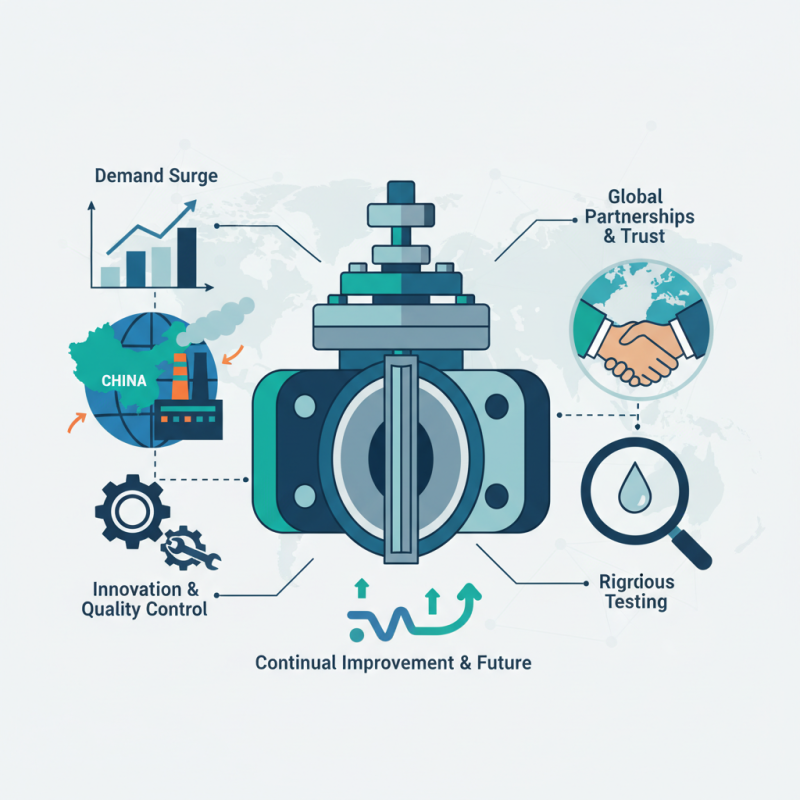
In today's industrial landscape, the demand for high-quality valves is surging, especially the Zero Leakage Butterfly Valve. Global buyers seek reliable suppliers who can deliver top-notch products that prevent any fluid leakage. Dr. Emily Chen, a renowned expert in valve technology, stated, "Zero Leakage Butterfly Valves are not just a product; they are a promise of efficiency and reliability."
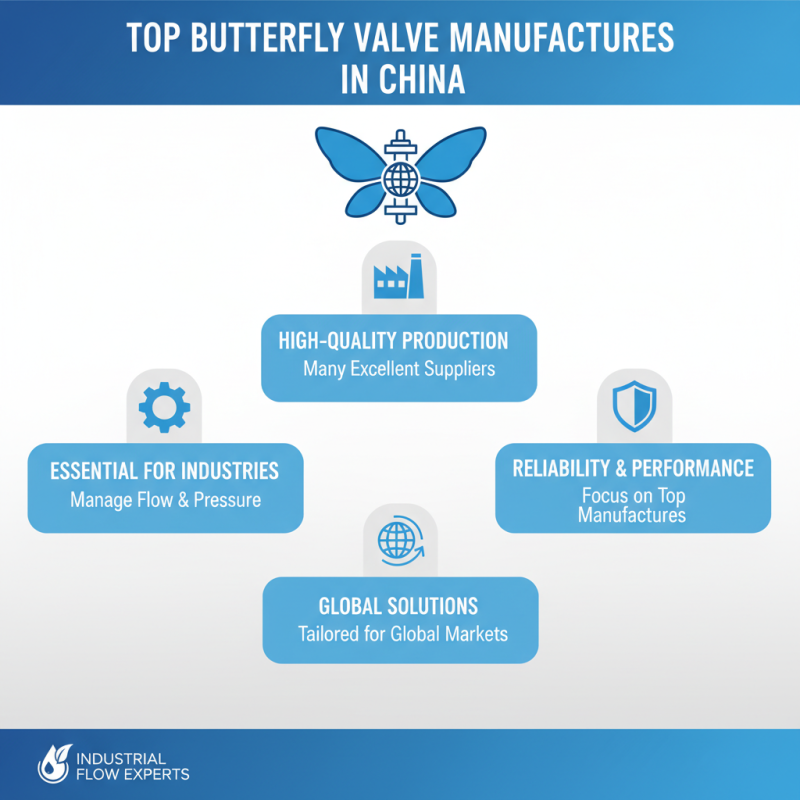
China emerges as a leading hub for these sophisticated valves. Manufacturers focus on innovation and stringent quality controls. They cultivate partnerships to ensure that their products meet international standards. This dedication enhances their reputation among buyers worldwide. Every single valve produced undergoes rigorous testing to guarantee zero leakage.
Despite advancements, challenges remain. Some suppliers struggle to maintain consistent quality. This can affect performance and reliability. Buyers must conduct thorough research before committing to any supplier. The future of zero leakage technology lies in continual improvement and adaptation to evolving market needs. Trust and transparency will be vital in this journey.
Overview of Butterfly Valves and Their Applications
Butterfly valves play a crucial role in fluid control across various industries. Their design allows for quick and efficient operation, making them ideal for applications involving water, oil, and gas. These valves are particularly beneficial in systems where space is limited. The quarter-turn mechanism provides ease of installation and maintenance.
One key advantage of butterfly valves is their lightweight structure. This feature reduces the overall burden on piping systems. However, selecting the right size and type of butterfly valve can be challenging. It requires careful consideration of the fluid characteristics and operating conditions.
Tips: Always consult with a professional when choosing butterfly valves. A wrong choice can lead to leaks and operational issues. Regular inspections can help detect wear and maintain performance.
In various sectors, including chemical and pharmaceutical, butterfly valves help improve process efficiency. Yet, they are not without flaws. Improper installation can result in reduced sealing capabilities. Such issues might demand additional maintenance, which can be costly. Careful evaluation remains critical for any project involving butterfly valves.
Key Features of Zero Leakage Butterfly Valves
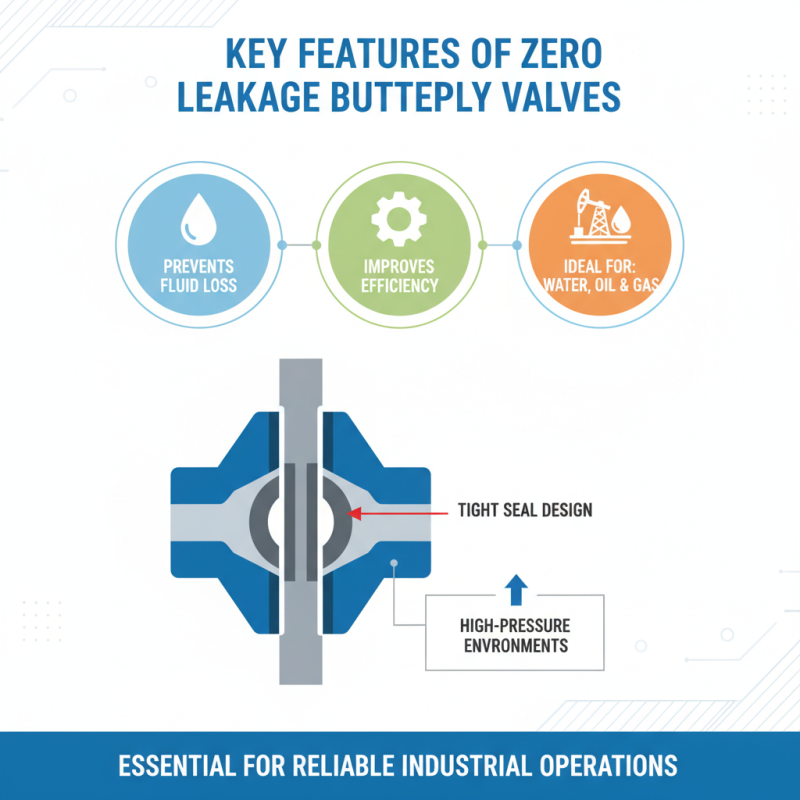
Zero leakage butterfly valves are becoming vital in various industries. These valves effectively prevent fluid loss, promoting efficiency. They are especially useful in water treatment, oil, and gas sectors. Their unique design ensures a tight seal, making it easier to handle high-pressure environments.
One key feature is the advanced sealing mechanism used in these valves. Materials like PTFE are common, enhancing durability. This reduces maintenance needs and prolongs valve life. A proper installation is crucial for achieving zero leakage. Improper fittings may lead to leaks, impacting overall performance.
Tips: Always ensure that the valve is compatible with your system. Check the manufacturer's specifications for optimal results. Regular inspections can also prevent potential issues.
Another aspect to consider is operational ease. These valves can be easily automated, increasing user control. Their light weight also enables easier handling during installation. However, not all butterfly valves offer the same performance. Researching and understanding different types is important. A mismatch can lead to operational inefficiencies.
Evaluation Criteria for Selecting Suppliers
When evaluating suppliers for zero leakage butterfly valves, consider several key factors. Experience in the industry is crucial. A supplier with a solid track record demonstrates reliability in their products. Look for companies that have been in operation for several years. They likely have refined their processes over time.
Next, assess the quality of the products offered. High-quality materials are essential for ensuring zero leakage. Inquire about the certification standards the supplier meets. This can serve as a reliable indicator of the product's performance. Additionally, review any testing methods used to validate their claims.
Tips: Don’t hesitate to ask for references or case studies. Real-world success stories can provide insights into a supplier's capabilities. Also, consider the flexibility in their operations. A supplier who can adapt to changing requirements is often more valuable.
Pricing is another important criteria. However, the lowest price may not indicate the best value. Evaluate the total cost of ownership, including maintenance and potential replacement costs. Sometimes, investing a bit more upfront ensures long-term savings.
China Top Zero Leakage Butterfly Valve Supplier for Global Buyers - Evaluation Criteria for Selecting Suppliers
| Criteria |
Weightage (%) |
Rating (1-5) |
Score |
| Quality of Products |
30 |
5 |
150 |
| Pricing Competitiveness |
25 |
4 |
100 |
| Delivery Timeliness |
20 |
5 |
100 |
| Customer Service |
15 |
3 |
45 |
| Certification and Compliance |
10 |
4 |
40 |
| Total |
100 |
|
435 |
Global Market Trends for Butterfly Valves and Sustainability
The global butterfly valve market is increasingly moving towards sustainability, responding to environmental concerns. A recent report indicates that the market is projected to grow from $4.5 billion in 2021 to over $6 billion by 2027. This shift highlights the need for high-efficiency valves with zero leakage capabilities, which significantly reduce waste and enhance process efficiency.
The rising demand for environmentally friendly solutions drives innovations in butterfly valve design. Manufacturers are focusing on materials and technologies that minimize leakage and extend the product life cycle. For instance, advanced sealing materials can reduce emissions and improve operational efficiency. Adopting automation in valve operations also improves performance and energy consumption.
However, achieving sustainability in butterfly valve production is not without challenges. The industry faces pressure to balance cost and environmental responsibility. Companies must invest in research and development while managing production costs effectively. This ongoing transition necessitates collaboration among stakeholders, including manufacturers, suppliers, and regulatory bodies. The drive for optimal solutions continues, revealing areas that need improvement and innovation.