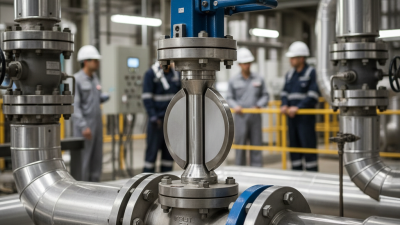
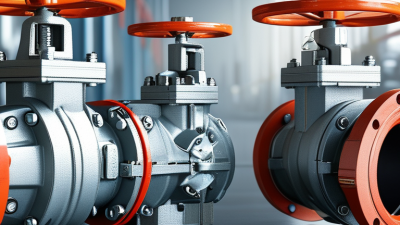
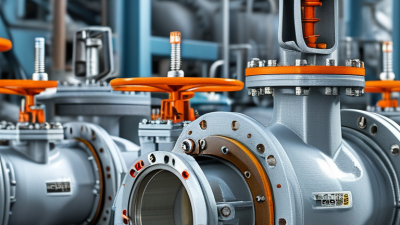
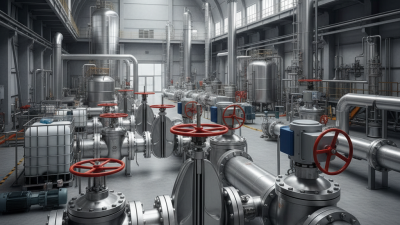
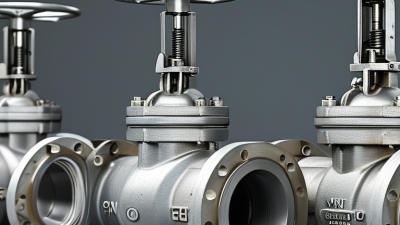
When selecting the best Zero Leakage Butterfly Valve, it’s essential to understand your specific requirements. Experts in the field emphasize the importance of quality and reliability. John Smith, a recognized valve specialist, once stated, "Choosing the right valve can significantly impact system performance." His experience highlights that not all Zero Leakage Butterfly Valves are created equal.
You must consider various factors when making a selection. These factors include pressure ratings, temperature variations, and fluid types. The valve’s materials and construction play a crucial role in ensuring zero leakage. Flawed choices can lead to operational failures and costly maintenance.
Evaluating performance and reliability is not just a checklist task; it's an ongoing reflection on your system needs. As you analyze options, consider how each product meets your long-term goals. In the end, the right Zero Leakage Butterfly Valve is more than a purchase—it's an investment in efficiency and safety.
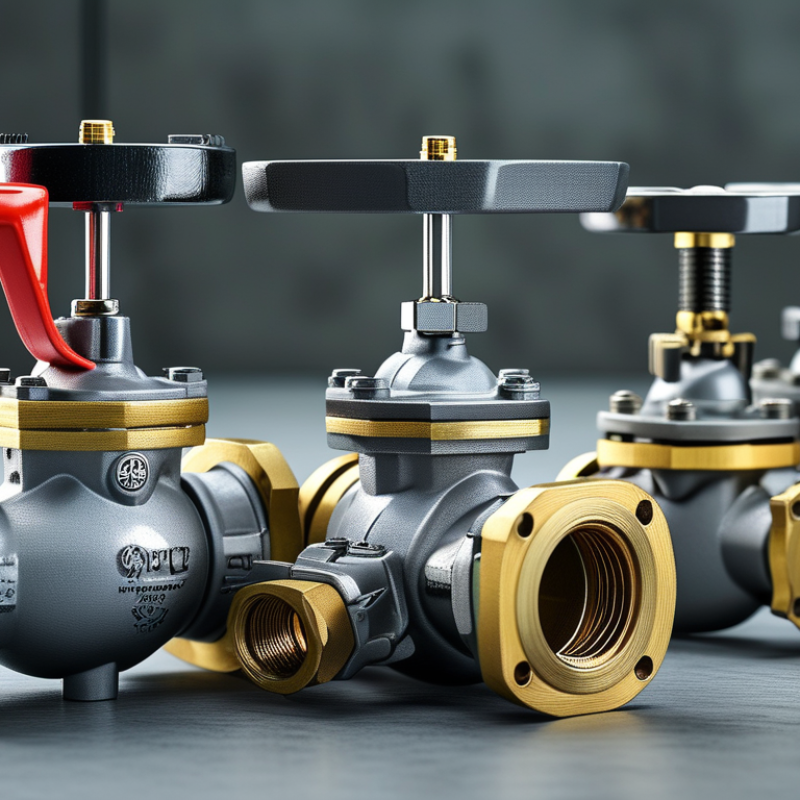
Zero leakage butterfly valves are designed to prevent any fluid or gas leakage. Their construction typically includes a disc that rotates around a fixed axis. This design helps create a tight seal when in the closed position. In various industries, leakage can result in significant losses or safety hazards. According to industry reports, valve leakage can account for up to 25% of operational costs in some plants.
These valves are often constructed using advanced materials that enhance their durability and operational efficiency. For example, many utilize elastomeric seals or advanced polymers to eliminate any leakage paths. It’s important to consider the specific application. The right valve can drastically affect system integrity. For instance, in the oil and gas sector, a single faulty valve can lead to severe environmental damage and costly penalties.
However, selecting the best zero leakage butterfly valve isn’t always straightforward. Understanding the pressure, temperature, and chemical compatibility required for your application is crucial. The wrong choice can lead to performance issues or premature failure. Experts recommend often conducting regular maintenance and inspections. This is sometimes overlooked, but it can be vital in ensuring long-term reliability.
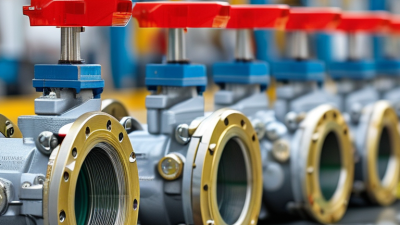
Zero leakage butterfly valves play a crucial role in various industries. Their design minimizes leakage, enhancing system efficiency and protecting the environment. In water treatment facilities, zero leakage valves help maintain water quality. Reports indicate that global demand for such valves will grow by 5% annually by 2027, driven by stringent environmental regulations.
In the oil and gas sector, these valves prevent spills, a critical requirement for safety and compliance. For instance, valve failure can lead to significant financial losses, sometimes exceeding $1 million per incident. The food and beverage industry also benefits from zero leakage valves, ensuring product safety and consistency. They are essential for maintaining hygiene standards, which are increasingly prioritized.
Installing zero leakage butterfly valves requires careful consideration. Ensure compatibility with existing systems. Analyze operational pressures and temperatures. Conduct regular maintenance checks. Such practices can enhance reliability and performance. While zero leakage is a key feature, it’s essential to note that installation errors can lead to leaks. Balancing quality with cost is vital. Evaluate supplier credentials and read reviews before purchasing.
Choosing the right size and pressure rating for a zero leakage butterfly valve is crucial. The valve size must align with the pipeline's diameter. An incorrect size can lead to inefficient flow or excess pressure drop. Measure the internal diameter carefully. Select a valve that fits well within the existing system. The ideal size helps maintain a balanced flow.
Pressure ratings are equally important. The valve must withstand the system’s maximum pressure without leaking. Understand the pressure conditions during peak operation. A standard pressure rating might not suffice for all applications. Consider safety factors in high-pressure environments. Always consult detailed specifications to match the valve's capacity with your requirements.
Reflecting on these parameters aids in making informed decisions. It's easy to overlook specifics like the medium being transported. Each fluid type can behave differently under varying conditions. A detailed assessment of these factors enhances reliability in valve performance. Proper choices not only enhance system efficiency but also prolong the lifespan of the valve.
| Criteria | Considerations | Recommended Values |
|---|---|---|
| Size | Based on the pipeline diameter | 2" - 36" |
| Pressure Rating | Operating pressure and service conditions | ANSI Class 150, 300, 600 |
| Material | Corrosion resistance and compatibility | Stainless Steel, PVC, Cast Iron |
| Seal Type | Effectiveness and leakage prevention | EPDM, PTFE, NBR |
| Actuation Type | Manual vs Automated control | Electric, Pneumatic, Manual |
| Flow Direction | Single-direction vs Bi-directional flow | Bi-directional preferred |
When selecting a zero leakage butterfly valve, material selection plays a crucial role in achieving optimal performance and durability. Common materials include stainless steel, cast iron, and plastic. Each material offers unique properties that can significantly affect valve performance. For instance, stainless steel is corrosion-resistant and ideal for harsh environments. Cast iron is robust, but it may not withstand extreme temperatures as well. Plastic valves, while lightweight, may lack durability under pressure.
Consider the application's specific requirements. For high-temperature applications, metals are more suitable. However, if weight is a concern, lighter materials could be advantageous. Evaluate how each material reacts to the fluids in your system. Compatibility with the media is vital to prevent degradation over time.
It's essential to reflect on these aspects thoroughly. Not all materials are equal, and the wrong choice can lead to leaks or failure. Cost is often a deciding factor, but compromising on material quality can lead to costly repairs. Strive for a balance between budget and performance. This thoughtful approach can ensure you select the best butterfly valve for your needs.
When selecting a zero leakage butterfly valve, understanding industry standards and certifications is crucial. These valves play a significant role in various applications, from water distribution to chemical processing. According to the American National Standards Institute (ANSI), a zero leakage classification ensures no fluid escapes during operation.
One widely recognized standard is API 609, which outlines the design and performance criteria. This certification indicates that the valve provides maximum sealing efficiency, crucial for maintaining system integrity. Many industries rely on these standards to minimize environmental impact and reduce operational risks. Research from the Valve Manufacturers Association suggests that adherence to these certifications can lead to a 30% decrease in maintenance costs over time.
While certifications are vital, the manufacturing process must also be scrutinized. Variations in materials and assembly methods can affect performance and longevity. A valve may meet certain standards yet still exhibit flaws under specific conditions. Testing protocols should be comprehensive, simulating real-world scenarios. Attention to detail in these processes can prevent potential failures and ensure reliability.