Why Choose Pn16 Butterfly Valve for Your Industrial Needs?
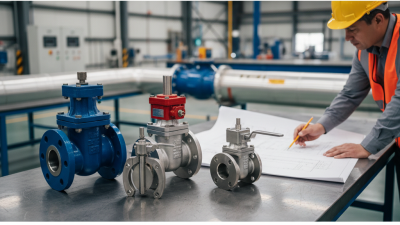
In industrial applications, valve selection is crucial for operational efficiency. Among various options, the Pn16 Butterfly Valve stands out as a preferred choice. Its design is specifically tailored to handle high flow rates with minimal pressure loss. This efficiency translates into significant energy savings over time.
The Pn16 Butterfly Valve is known for its durability. Constructed from robust materials, it can withstand harsh conditions common in industrial environments. However, relying solely on its advantages without proper maintenance can lead to failures. Regular inspections are essential to ensure optimal performance.
One must consider the specific needs of their system before making a choice. Not every situation may benefit from a Pn16 Butterfly Valve. Understanding the application, pressure requirements, and flow dynamics is fundamental. These factors can directly influence the valve's effectiveness and overall reliability.
Overview of Pn16 Butterfly Valves and Their Specifications
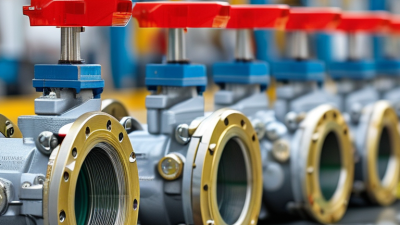
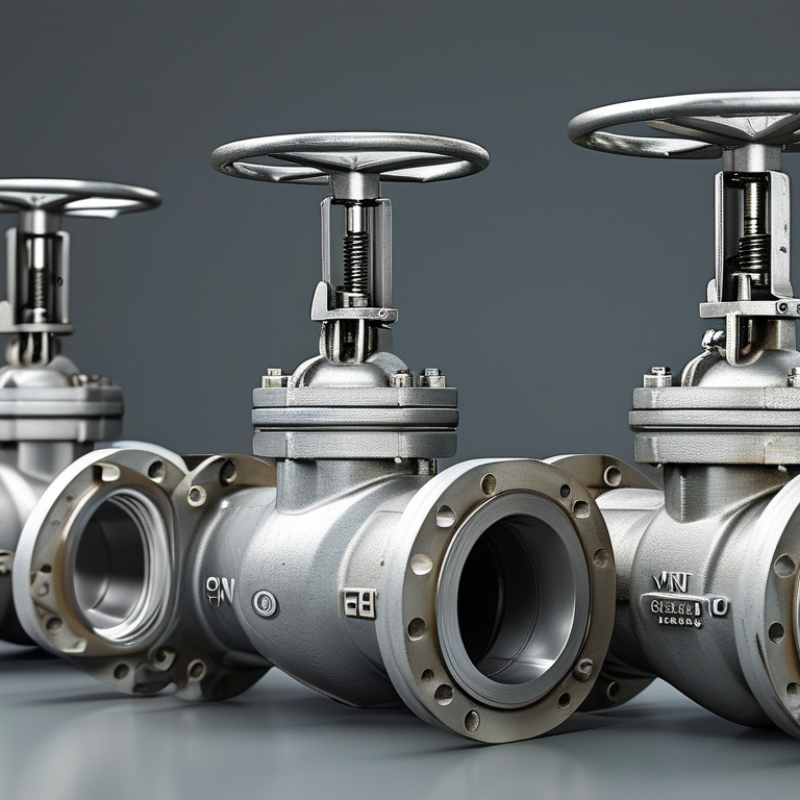
Pn16 butterfly valves are crucial for various industrial applications. These valves can handle a wide range of liquids and gases. Their design features a rotating disk, which allows for easy regulation of flow. Standard specifications include a pressure rating of 16 bar and a temperature tolerance that typically ranges between -10 to 80 degrees Celsius.
The versatility of Pn16 butterfly valves is evident in industries like water treatment, oil, and petrochemicals. According to recent market analysis, about 30% of these valves are used in the water sector alone. They offer a lightweight solution, which can reduce installation costs. Their compact design helps save space in piping systems, while their durability ensures long-term performance.
However, not all Pn16 butterfly valves perform equally across various environments. Some may exhibit wear over time, impacting efficiency. Regular maintenance is crucial to ensure optimal functionality. Users should be aware of compatibility issues with certain chemicals. Evaluating valve material and design is necessary for specific applications. Understanding these factors can lead to improved operational reliability and cost savings.
Key Advantages of Using Pn16 Butterfly Valves in Industry
When selecting valves for industrial processes, Pn16 butterfly valves stand out for several reasons. One of their main advantages is their simplicity in design. This design allows for efficient operation and easy maintenance. Users often praise how quickly they can be installed, making them a practical choice for many projects. The lightweight nature of these valves adds to their appeal, as they require less support than heavier alternatives.
Another key benefit is their ability to handle various media. Pn16 butterfly valves can manage both liquids and gases, ensuring versatility in different applications. Industries such as water treatment and chemical processing frequently rely on these valves for their reliability. However, users should remain cautious about the pressure and temperature limits. Ensuring that conditions are within the specified ranges can prevent failures.
Additionally, the cost-effectiveness of Pn16 butterfly valves cannot be overlooked. They typically provide a good balance between price and performance. This makes them an attractive option for budget-conscious projects. Nonetheless, it’s essential to assess the specific needs of your system. Every application has unique requirements, and what works for one may not work for another.
Applications of Pn16 Butterfly Valves in Various Sectors
Pn16 butterfly valves are essential in various industrial sectors, including water treatment, chemical processing, and HVAC systems. These valves provide efficient flow control and are known for their durability. They can handle high pressures and are particularly effective in large-scale operations.
In water treatment plants, Pn16 butterfly valves regulate the flow of water through filtration and distribution systems. Their design allows for quick operation, which is vital during emergencies or maintenance tasks. Similarly, in chemical processing, these valves are used to control corrosive fluids. The materials and construction ensure safety and longevity, but operators must regularly assess their condition to avoid leaks or failures.
In HVAC applications, Pn16 butterfly valves contribute to maintaining optimal temperature and air quality. They can modulate airflow effectively. However, improper installation can lead to inefficiencies, highlighting the need for skilled technicians. While robust, these valves require routine inspections to ensure optimal performance over time.
Comparison of Pn16 Butterfly Valves with Other Valve Types
When considering your industrial valve needs, Pn16 butterfly valves stand out compared to other types. These valves are versatile and can effectively manage a wide range of fluids. Their compact design makes them space-efficient, ideal for various installations.
Pn16 valves also excel in providing a tight seal, which is crucial for preventing leaks in high-pressure systems.
In contrast, other valve types, like gate and globe valves, often require more space and can be bulkier. Gate valves are more difficult to operate and can wear down faster. Globe valves, while effective for throttling, can restrict flow due to their design. Pn16 butterfly valves maintain an excellent balance between performance and efficiency.
It’s important to assess your specific needs. Consider the type of fluid, pressure levels, and installation environment. Testing different valve types can help reveal their strengths and weaknesses.
For optimal performance, ensure regular maintenance of your chosen valves. Overlooking maintenance can lead to unexpected failures or inefficiencies. Make informed choices based on real usage scenarios to understand how each valve type might perform over time. Evaluate options based on your unique application for better results.
Maintenance and Installation Considerations for Pn16 Butterfly Valves
When considering Pn16 butterfly valves, maintenance and installation are critical factors to address. These valves are widely used in various industrial applications due to their efficiency and ease of operation. However, neglecting proper installation can lead to performance issues. A common mistake is failing to align the valve correctly, which can cause unnecessary wear. The installation process should ensure that the valve is flush with the piping for optimal performance.
Regular maintenance is essential for longevity. A survey by the Valve Manufacturers Association indicates that poor maintenance can shorten valve life by up to 30%. This emphasizes the importance of routine checks and servicing. Inspect the seals and pressure ratings often. Small leaks may go unnoticed but can lead to bigger problems over time.
Consider monitoring valve performance periodically. This proactive approach helps identify issues before they escalate. Install a monitoring system for real-time data. Dive into maintenance guidelines provided by industry experts to develop a robust maintenance schedule. Address any anomalies immediately, as they could indicate larger mechanical issues ahead.
Why Choose Pn16 Butterfly Valve for Your Industrial Needs?
| Feature |
Details |
| Pressure Rating |
PN16 (16 bar) |
| Material Options |
Cast Iron, Stainless Steel, PVC |
| Applications |
Water supply, Wastewater treatment, HVAC systems |
| Installation Considerations |
Ensure proper alignment, Use appropriate gaskets, Follow torque specifications |
| Maintenance Frequency |
Annual inspection recommended |
| Advantages |
Low torque, Quick operation, Compact design |