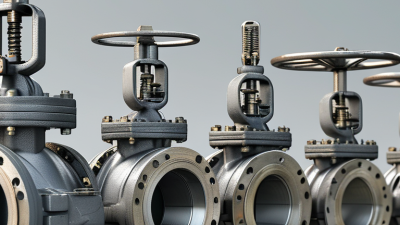
Top 10 Big Size Butterfly Valves for Global Buyers?
In today's industrial landscape, the demand for Big Size Butterfly Valves has surged. These valves are integral in various sectors, including oil and gas, water treatment, and power generation. As industry expert Mark Thompson emphasizes, "The reliability of a Big Size Butterfly Valve is paramount in ensuring operational efficiency." His insight reflects a growing recognition of the importance of these valves in safeguarding processes.
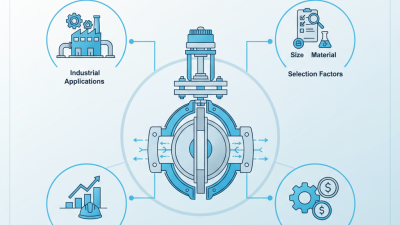
Manufacturers are now focused on creating robust designs that withstand high pressure. However, the selection of the right valve can be challenging. Buyers need to consider factors such as size, material, and application. While many options are available, not all meet the required standards. Inspection of valve specifications is critical, yet many overlook this vital step.
The increasing complexity of modern projects often leads to oversight. Buyers may hastily choose options without thorough evaluation. This could lead to long-term inefficiencies and unexpected costs. Investing time in selecting the appropriate Big Size Butterfly Valve is crucial. It can prevent headaches down the road and ensure smoother operations across systems. Clearly, the right choice matters significantly in today’s competitive market.
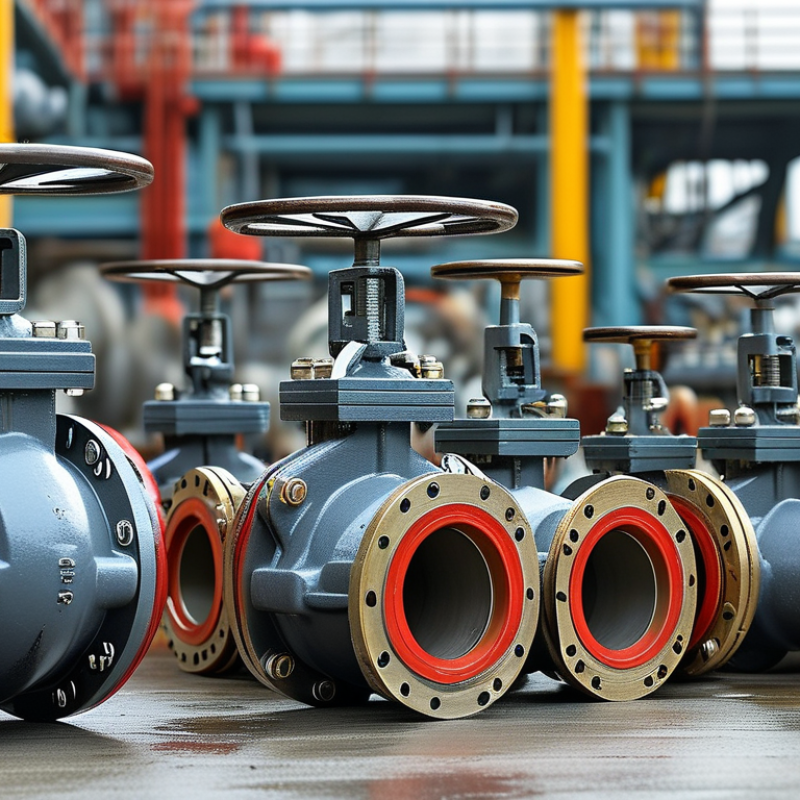
Overview of Big Size Butterfly Valves in the Global Market
Big size butterfly valves play a crucial role in various industries, including water treatment, oil, and gas. These valves are designed to control the flow of fluids with minimal pressure drop. They are characterized by a circular disc that rotates within a pipe. This design makes them efficient for large-scale applications. However, the selection of the right valve is often overlooked. Buyers must consider factors such as material and pressure ratings.
In the global market, the demand for reliable big size butterfly valves is increasing. Many industries require durable valves that can withstand extreme conditions. It is essential to choose valves that meet international standards. However, challenges exist. Some manufacturers may compromise on quality to lower costs. This can lead to reliability issues over time. Thus, buyers need to conduct thorough research. They should consult expert resources to ensure their choices are informed.
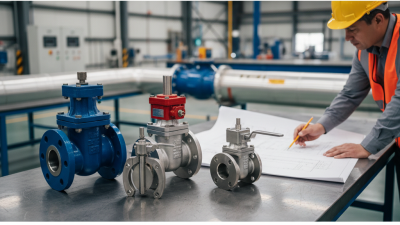
One common mistake is assuming all big size butterfly valves are suitable for every application. Each project has unique requirements. For example, the type of fluid, temperature, and pressure can vary greatly. This variability makes expertise critical in the selection process. Engaging with knowledgeable professionals can prevent costly missteps and enhance system performance.
Top 10 Big Size Butterfly Valves in the Global Market
Criteria for Selecting High-Quality Butterfly Valves
When selecting high-quality butterfly valves, durability and performance are crucial. Material composition plays a significant role. Commonly used materials include stainless steel, cast iron, and PVC. A report by the Global Valve Market suggests that stainless steel valves offer superior resistance to corrosion. This is vital in industries like oil and gas. Corrosion can lead to failure and costly downtime.
The sealing mechanism is another key criterion. It ensures tight shutoff and effective pressure control. A high-quality butterfly valve usually features resilient seating. These seats can handle fluctuations in temperature and pressure. This flexibility is essential in many applications. In fact, according to industry standards, a valve should maintain performance across a wide temperature range to prevent leaks.
Finally, consider the valve's design. A streamlined design facilitates better flow characteristics. The actuator type is equally significant. Electric and pneumatic actuators have distinct advantages. Proper actuator selection influences efficiency. Ultimately, quality butterfly valves should enhance system reliability while minimizing maintenance. These criteria provide a solid foundation for global buyers seeking the best choices in today’s market.
Top 10 Big Size Butterfly Valves for Global Buyers
| Valve Size (Inches) |
Material |
Pressure Rating (PSI) |
Temperature Range (°F) |
Operation Type |
Connection Type |
| 12 |
Cast Iron |
150 |
-4 to 200 |
Manual |
Flanged |
| 16 |
Stainless Steel |
300 |
-20 to 300 |
Electric |
Wafer |
| 20 |
Ductile Iron |
150 |
-20 to 250 |
Pneumatic |
Flanged |
| 24 |
PVC |
75 |
32 to 140 |
Manual |
Socket |
| 30 |
Carbon Steel |
150 |
-20 to 150 |
Electric |
Wafer |
| 36 |
Bronze |
200 |
0 to 180 |
Pneumatic |
Flanged |
| 48 |
Aluminum |
150 |
-20 to 120 |
Manual |
Socket |
| 60 |
CPVC |
75 |
-10 to 150 |
Pneumatic |
Flanged |
| 72 |
Wrought Iron |
200 |
-10 to 200 |
Electric |
Wafer |
Top 10 Manufacturers of Big Size Butterfly Valves Worldwide
When considering big size butterfly valves, manufacturers worldwide stand out for their expertise. Leading companies excel in producing valves that can handle various industrial applications. They focus on durability and performance, catering to sectors like water treatment and oil and gas.
These manufacturers prioritize quality control. They invest in advanced technology and skilled labor to ensure reliable products. However, some companies may still face challenges with consistency in their output. It’s crucial to assess the long-term performance of their valves, as market demands shift.
Choosing the right manufacturer can be daunting. Buyers should explore options and compare specifications. Some manufacturers might excel in specific industries, while others may lag in service support. It is beneficial to reach out for consultations and ask for case studies. This approach ensures informed decisions for critical applications, addressing any potential shortcomings.
Comparative Analysis of Features and Pricing
When considering butterfly valves, buyers must focus on features and pricing. Recent industry reports indicate that the global butterfly valve market is expanding, with an annual growth rate projected at around 5.2%. Customers increasingly demand durable materials and innovative designs. These aspects influence both performance and price.
Among the major features to consider are the valve size, body material, and seal configuration. Valves made from carbon steel tend to offer a lower initial cost but may require more frequent maintenance. In contrast, stainless steel options provide enhanced durability, often justifying a higher price point. Data shows that valves with ideal sealing technology can reduce leakage rates by up to 70%, making them more cost-effective over time.
Pricing varies significantly based on these features. Basic models may range from $50 to $150, while high-performance options exceed $500. Buyers should weigh these costs against their operational needs. Often, higher-priced valves offer better longevity and efficiency, which can lead to significant savings later. Making a choice without thorough comparison may lead to regrettable investments.
Future Trends in Big Size Butterfly Valve Technology
Butterfly valves are crucial in various industrial applications. The advancements in large-size butterfly valve technology demonstrate a shift toward improved efficiency and durability. As industries demand larger and more robust valves, manufacturers are innovating designs to address these needs. The inclusion of advanced materials enhances strength while reducing weight. New sealing technologies improve performance, ensuring a tighter shut-off in high-pressure situations.
Digitalization is also shaping the future of butterfly valves. Smart technology integration allows for better monitoring and control. Sensors can provide real-time data, which aids in predictive maintenance. This shift toward automation offers greater reliability and less downtime for systems relying on butterfly valves. As a result, industries can expect lower operational costs and increased productivity.
Yet, there are challenges to overcome. Ensuring compatibility with existing systems can be complex. The adoption of these technologies requires investment and retraining. Stakeholders must consider these factors carefully to make informed decisions. Despite these hurdles, the potential benefits of advanced butterfly valve technology are significant and cannot be ignored.