How to Choose the Best Large Size Butterfly Valve for Your Needs?
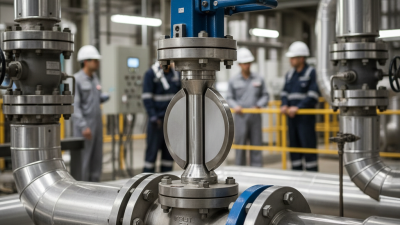
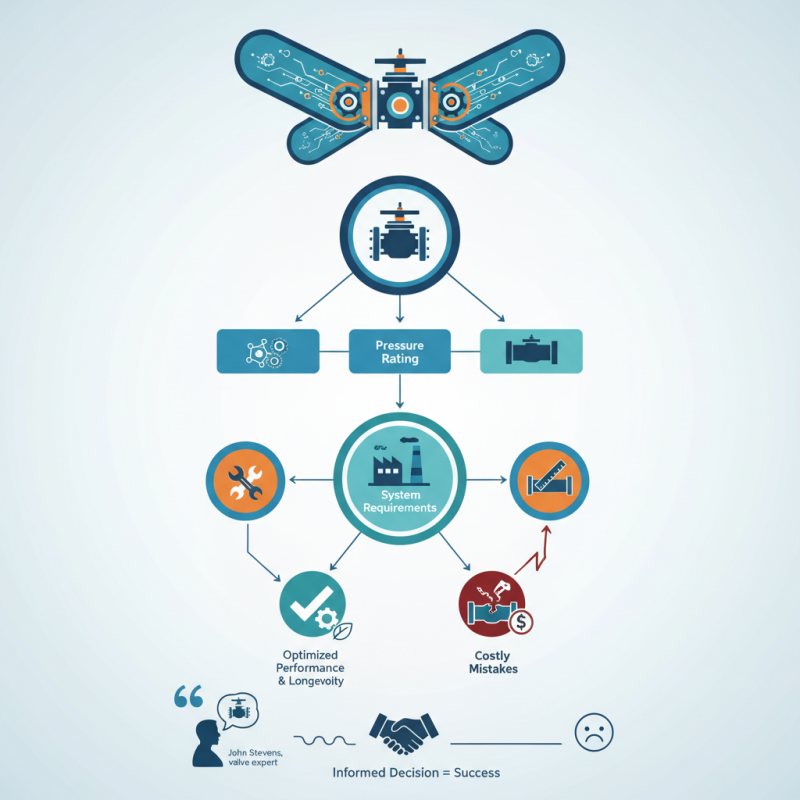
Choosing the right Large Size Butterfly Valve can be challenging. With various options available, making an informed decision is crucial. The importance of selecting the right valve cannot be understated. John Stevens, a renowned valve expert, once said, "The success of any fluid system often hinges on the valve chosen." His insight captures the essence of why this choice matters.
Large Size Butterfly Valves play a vital role in controlling flow. They are commonly used in large-scale industrial applications. Their efficiency and reliability are key features to consider. Many users overlook specific requirements that could significantly impact performance. This oversight can lead to costly mistakes.
When assessing options, consider factors like material, pressure rating, and size. Each of these elements contributes to the valve's functionality in your system. Ultimately, finding the best Large Size Butterfly Valve involves careful evaluation and sometimes trial and error. Embracing this complexity can lead to better system performance and longevity.
Understanding the Basics of Large Size Butterfly Valves
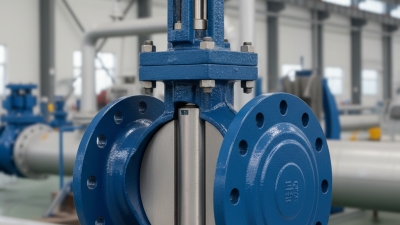
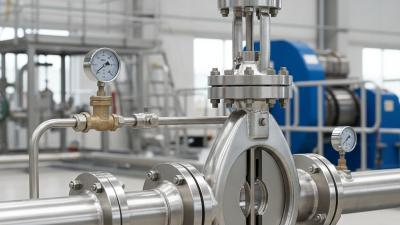
Large size butterfly valves are essential in various industrial applications. They control the flow of liquids and gases in large pipelines. Understanding their components is crucial for making informed decisions. A typical butterfly valve consists of a disc, stem, and seat. The disc rotates to open or close the valve. Reliable sources indicate that the disc must be designed to withstand pressure and corrosion. Valves should always be selected based on specific working conditions.
A report by the Valve Manufacturers Association highlights that the market for butterfly valves will grow by 5% annually. Such growth points to increasing industrial demand. Consider factors like valve size, material, and pressure rating. Correct sizing is vital, as a valve that is too small can lead to increased pressure losses. A mismatch between the valve and application can affect system efficiency.
Maintenance of large size butterfly valves is often overlooked. Regular inspections can prevent failures. Industry experts recommend a proactive approach to service. Consider the valve's lifespan and operational environment. Undoubtedly, this can be a complex decision-making process. The choice of a valve should not be taken lightly given the potential costs of downtime.
Key Factors to Consider When Choosing a Butterfly Valve
When selecting a large size butterfly valve, several factors merit careful consideration. The application is critical. Different industries require valves for unique environments, such as high temperatures or corrosive substances. Each requirement influences the valve's material and design.
Understanding flow characteristics is essential. A valve's flow rate can impact system performance. Too much resistance can lead to energy loss. It's beneficial to calculate the needed flow to find the right design and size. Knowledge of the pressure rating is also important. A valve's ability to withstand specific pressure levels will determine its longevity and reliability.
Tips:
Consider the valve's maintenance needs. Some models require frequent checks, while others are more self-sufficient. Assess the installation space. A butterfly valve might need adequate room for operation and maintenance.
Don’t overlook the actuator choice. Manual and automated options each have advantages. Choosing the right actuator influences operational efficiency. Reflect on your system’s specific needs before deciding.
Materials and Construction of Large Size Butterfly Valves
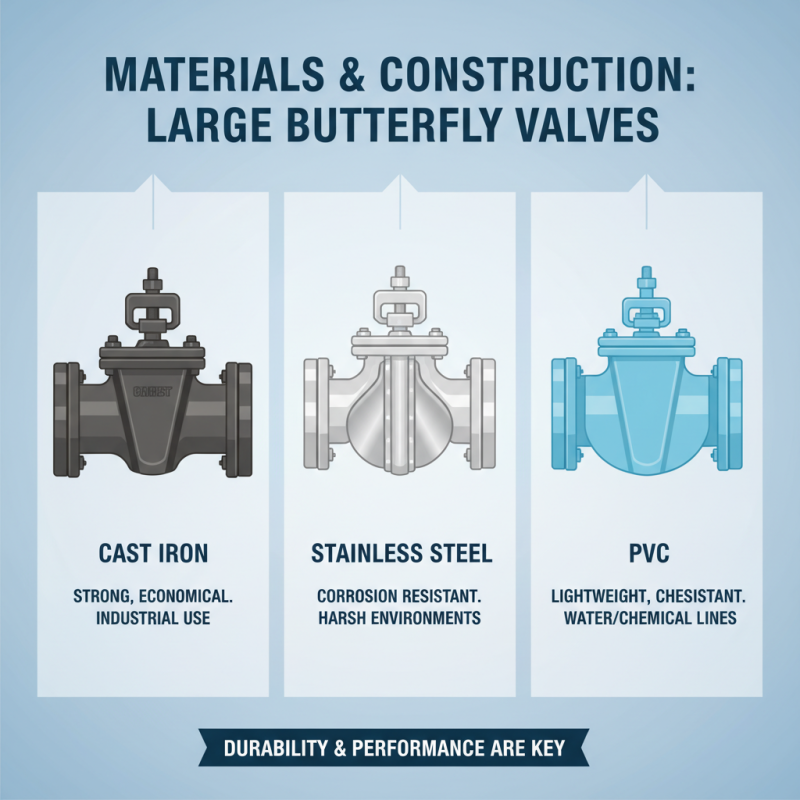
When selecting a large size butterfly valve, the materials used in its construction play a crucial role in performance and longevity. Typically, these valves are made from durable materials such as cast iron, stainless steel, or PVC. Each material has its unique advantages. For example, stainless steel offers excellent corrosion resistance, making it suitable for harsh environments. On the other hand, cast iron provides a strong, economical choice for many industrial applications.
The choice of seal material is equally important. Common options include rubber and PTFE. Rubber seals are often used for water and low-pressure applications. PTFE, however, is resistant to chemicals and high temperatures, providing a more versatile solution. Understanding the specific requirements of your system can guide you in picking the right material for the valve.
One common mistake is overlooking the impact of environmental factors. Extreme temperatures or corrosive substances can degrade valve materials over time. Regular assessment of valve condition is vital. It’s essential to balance cost with quality during the selection process. A few dollars saved today might lead to higher expenses in maintenance or replacement down the line. Proper reflection on these details can ultimately enhance the reliability of your valve systems.
Sizing and Selection Criteria for Optimal Performance
Choosing the right large size butterfly valve requires careful consideration of several factors. Sizing is critical. You must know the flow rate of your system. Measure the pipeline diameter accurately. This ensures the valve operates efficiently without pressure loss. If the valve is too large, it can lead to turbulence. If it’s too small, it restricts flow. Both scenarios may lead to system failures.
Material selection also plays an important role. The valve must endure the specific conditions of your application. Corrosive environments require special considerations. Also, temperature and pressure ratings need to match your system's requirements. Sometimes, the ideal valve might not be available off the shelf. You might need to adjust your specifications based on availability. This can be frustrating but is often necessary.
Installation practices can affect valve performance. Proper alignment and support are essential during installation. Misalignment can cause premature wear and tear. You may think you know how to install, but real-world conditions can differ. Testing your setup post-installation is vital to ensure reliability. Adjustments may be needed. Each detail matters in achieving optimal performance.
How to Choose the Best Large Size Butterfly Valve for Your Needs? - Sizing and Selection Criteria for Optimal Performance
| Valve Size |
Material |
Pressure Rating |
Temperature Range |
End Connection Type |
Applications |
| 6 inches |
Cast Iron |
150 PSI |
-20 to 250°F |
Flanged |
Water Treatment |
| 8 inches |
Stainless Steel |
300 PSI |
-20 to 400°F |
Welded |
Chemical Processing |
| 10 inches |
Ductile Iron |
150 PSI |
-10 to 300°F |
PPH |
HVAC Systems |
| 12 inches |
Plastic |
150 PSI |
0 to 140°F |
Threaded |
Wastewater Management |
Common Applications and Industry Use Cases for Butterfly Valves
Butterfly valves play a critical role in various industries. They are widely used in water treatment, chemical processing, and HVAC systems. According to a recent industry report, the global butterfly valve market is projected to reach $7.5 billion by 2030, with a compound annual growth rate (CAGR) of around 5.3% from 2022 to 2030. This reflects growing demand in sectors like oil and gas, where efficiency is paramount.
In the water treatment industry, butterfly valves help control flow rates and manage pressure. They are favored for their lightweight design and ease of installation. Additionally, in chemical processing, these valves withstand aggressive fluids, making them crucial for safety and operation efficiency. However, the selection process can be complex. Factors like pressure rating, temperature, and media type must be considered carefully.
Many industries face challenges when integrating butterfly valves into existing systems. Misalignment can lead to leaks or failures. The importance of precise sizing and compatibility with pipe systems cannot be overstated. Neglecting these aspects can lead to costly downtime. Monitoring and regular maintenance are essential to ensure their reliable performance.
Common Applications of Large Size Butterfly Valves