Why Choose a Dry Shaft Butterfly Valve for Your Industrial Needs?
In the dynamic world of industrial applications, selecting the right valve can significantly impact efficiency and performance. One often overlooked option is the Dry Shaft Butterfly Valve. Renowned expert in fluid mechanics, Dr. Emily Carter, emphasizes its importance, stating, "The Dry Shaft Butterfly Valve offers unparalleled reliability in demanding environments."
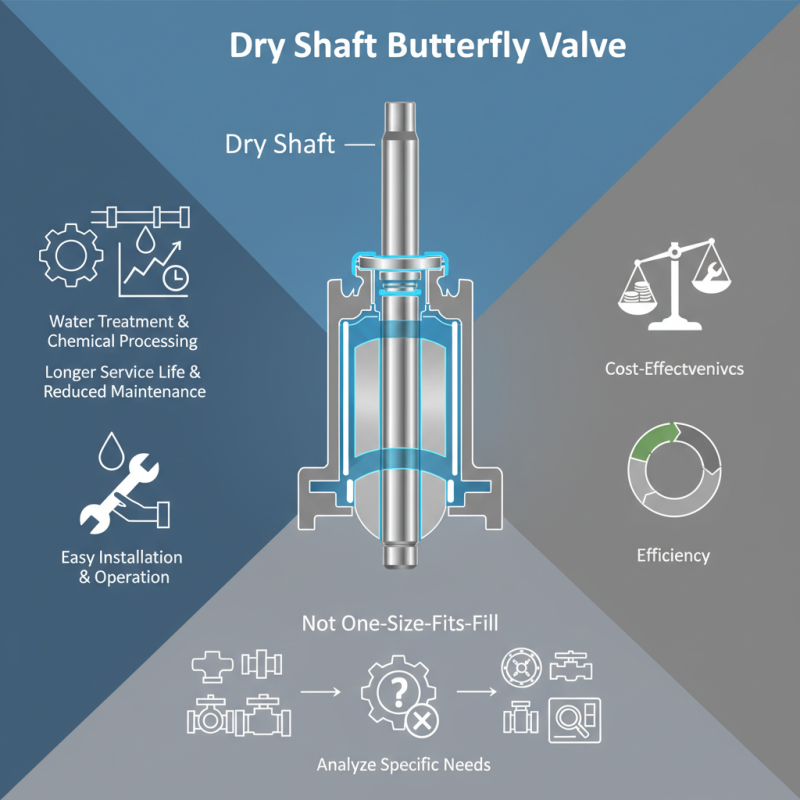
This valve combines durability with innovative design. Its dry shaft mechanism ensures minimal wear and tear, leading to longer service life. In industries such as water treatment and chemical processing, this reliability can save time and costs associated with maintenance. Moreover, its lightweight design allows for easy installation and operation, making it a preferred choice among engineers.
However, not every application may benefit from this valve type. Some systems might require more robust solutions. It's essential to analyze the specific needs of your operations before making a decision. The Dry Shaft Butterfly Valve stands out for its efficiency and cost-effectiveness, yet it might not be the one-size-fits-all solution for every industrial need.
Advantages of Dry Shaft Butterfly Valves in Industrial Applications
Dry shaft butterfly valves are increasingly popular in industrial applications due to their unique advantages. One significant benefit is their reliable performance in various operating conditions. These valves can handle different media, including liquids and gases, with ease. Their simple design allows for efficient flow control, resulting in reduced energy consumption.
Another advantage is their low maintenance requirements. Unlike traditional valves, dry shaft designs reduce the risk of leakage and facilitate easier inspections. This leads to less downtime and significant cost savings over time. Moreover, they can operate effectively in corrosive environments, which is vital for industries like chemical processing.
While dry shaft butterfly valves offer many benefits, it's important to consider their limitations. They may not suit all applications, especially where precision control is crucial. Additionally, wrong installation could lead to performance issues. Organizations should evaluate their specific needs before choosing a valve type.
Why Choose a Dry Shaft Butterfly Valve for Your Industrial Needs?
| Advantages |
Description |
| Corrosion Resistance |
Dry shaft butterfly valves are made from materials that resist corrosion, making them suitable for harsh environments. |
| Low Flow Resistance |
Their design allows for low pressure drop, ensuring efficient flow through the valve. |
| Compact Design |
The compact design reduces required space for installation, making them ideal for tight applications. |
| Low Maintenance Requirements |
They require less maintenance compared to other types of valves, saving time and costs. |
| Versatility |
Suitable for various applications including water, oil, and gas, making them very versatile. |
| Cost-Effective |
Generally more affordable than other valve types, providing a good balance of performance and price. |
Key Performance Metrics of Dry Shaft Butterfly Valves in Various Industries
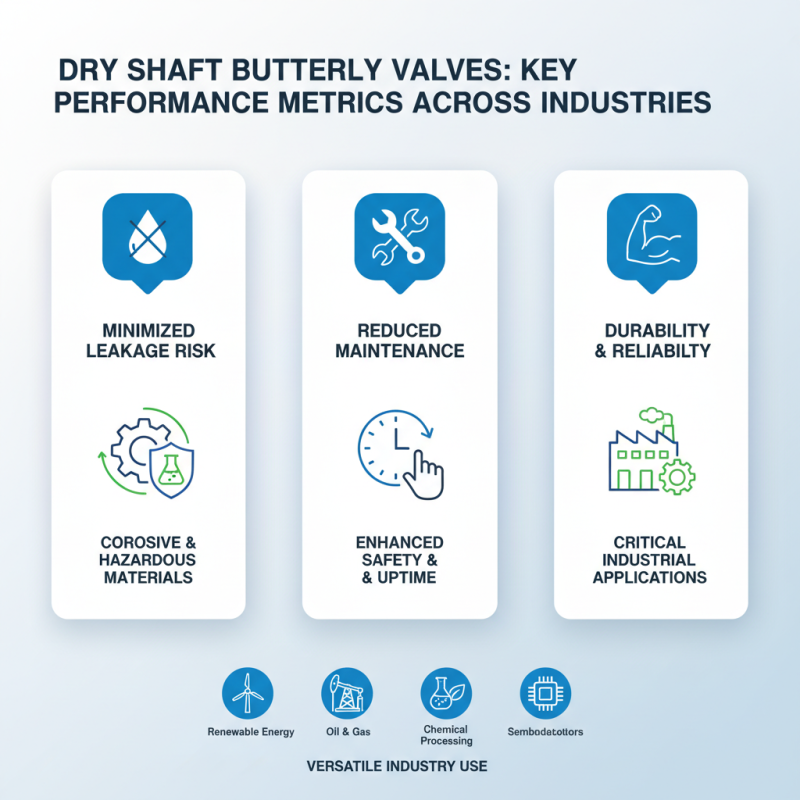
Dry shaft butterfly valves are increasingly recognized for their unique advantages across various industries. These valves excel in performance and durability, making them a popular choice for applications that require reliability. The dry shaft design minimizes the risk of leakage, which is critical in processes that involve corrosive or hazardous materials. This feature not only enhances safety but also reduces maintenance efforts.
In terms of performance metrics, these valves are praised for their quick operation and excellent flow control. They can handle a wide range of temperatures and pressures. Industrial environments, such as water treatment and chemical processing, benefit from these capabilities. Improved tightness under pressure ensures efficient operation, but installation must be done correctly to maximize these benefits. A poorly installed valve can lead to performance issues that undermine its advantages.
Tips for choosing the right valve include considering system compatibility and desired flow characteristics. Ensure that the valve meets specific industrial standards. Regular maintenance is essential, even for durable options like the dry shaft butterfly valve. It’s important to monitor their performance regularly to prevent unexpected breakdowns. Always consult with experts who understand your industry needs for optimal results.
Comparison of Dry Shaft Butterfly Valves with Traditional Valve Designs
When evaluating valve designs for industrial applications, the dry shaft butterfly valve stands out. Unlike traditional valves, it offers a simpler and more effective sealing mechanism. This design eliminates the need for lubrication and reduces maintenance times. Also, the dry shaft ensures that no contaminants enter the valve body, which enhances reliability and efficiency.
Traditional valve designs often face issues such as leaks and wear from constant friction. On the other hand, dry shaft butterfly valves minimize these risks. They provide a tighter seal and a smoother operation. The lightweight design also contributes to easier installation and less structural stress.
However, it's important to note that not all industrial settings require a dry shaft design. In some cases, the application might demand features offered by other valve types. Users must assess their specific needs carefully. Balancing efficiency with performance can lead to better decision-making.
Comparison of Dry Shaft Butterfly Valves with Traditional Valve Designs
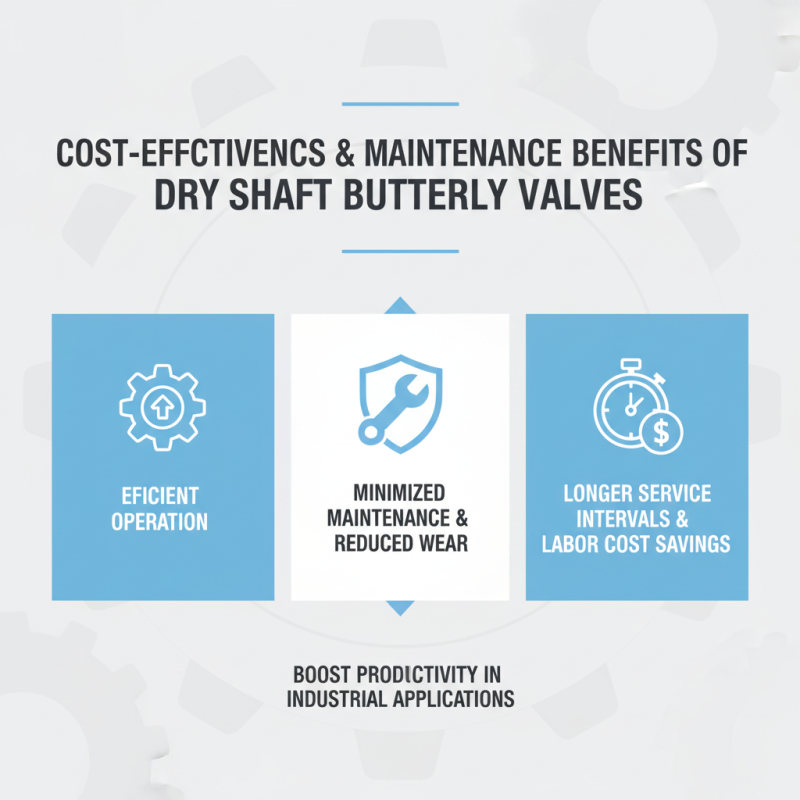
Cost-Effectiveness and Maintenance Benefits of Dry Shaft Butterfly Valves
When it comes to industrial applications, choosing a dry shaft butterfly valve can be a smart move. These valves are designed for efficient operation while minimizing maintenance. Their design reduces wear and tear, leading to longer intervals between servicing. This can save time and labor costs, which is essential for industries focused on productivity.
One significant advantage of dry shaft butterfly valves is their cost-effectiveness. Because they typically require less frequent maintenance, the overall operational costs decrease. In addition, their straightforward design simplifies installation and repairs. This leads to reduced downtime, which is a critical factor in many industries.
**Tip:** Regularly inspect the seals and gaskets within your valves. This can prevent small issues from becoming costly repairs.
Moreover, maintaining these valves requires minimal expertise. A trained technician can handle most maintenance tasks quickly. However, it’s vital to ensure that the installation is done correctly to avoid potential leaks or malfunctions. Investing in proper initial training can yield long-term benefits.
**Tip:** Consider a scheduled maintenance plan. This helps in addressing wear and tear before it escalates. It’s much easier to fix small problems rather than waiting for a complete valve failure.
Applications and Usage Statistics of Dry Shaft Butterfly Valves in Industry
Dry shaft butterfly valves are gaining traction in various industrial applications. These valves are known for their simplicity and effectiveness in controlling flow. They are particularly suited for on-off service, making them essential in systems requiring quick response. Users often report a notable decrease in maintenance time due to the design of dry shaft valves.
Industries such as water treatment, HVAC, and pharmaceuticals frequently utilize these valves. They handle liquids, gases, and even slurries effectively. A significant application is in handling wastewater, where durability and ease of operation matter. In HVAC systems, they control airflow, supporting efficiency in climate control.
However, these valves can face challenges in extreme conditions. Their performance might be compromised in highly corrosive environments. This limitation requires users to assess the operational landscape carefully. Regular reviews and preventative maintenance are crucial to extend the lifespan of these valves.