How to Choose the Right Eccentric Butterfly Valve for Your Needs?
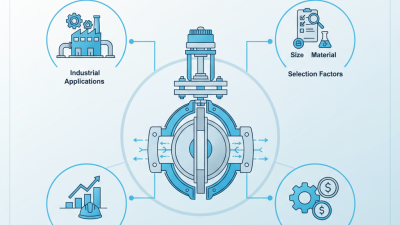
Choosing the right eccentric butterfly valve is crucial for various industrial applications. As John Smith, a leading expert in valve technology, once stated, "The right valve can greatly enhance system efficiency." Eccentric butterfly valves stand out due to their unique design and operational advantages. They are often favored for their ability to handle high flow rates and maintain excellent sealing performance.
When selecting an eccentric butterfly valve, it's essential to consider several factors. These include the size, material, and pressure rating. The right choice can lead to significant improvements in system reliability. However, an incorrect selection might result in costly downtime and maintenance issues. Ensure you understand the specific requirements of your application.
Even experienced professionals can overlook details. The valve's operating environment plays a critical role in its performance. Pay attention to factors like temperature and fluid type. Make informed choices based on comprehensive research. This approach will help you find an eccentric butterfly valve that meets your needs effectively.
Understanding Eccentric Butterfly Valve Configurations and Designs
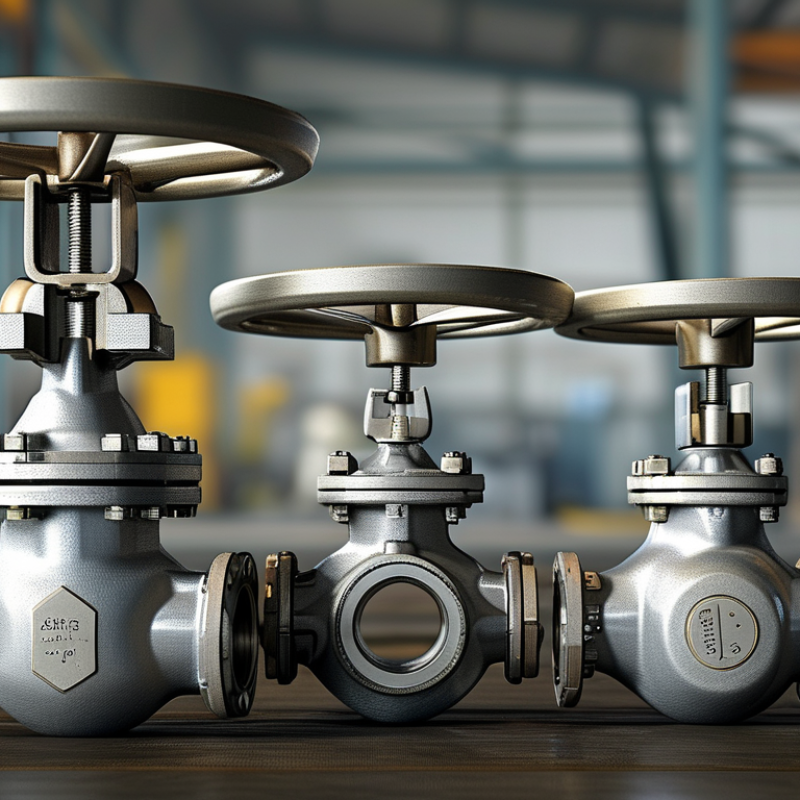
Eccentric butterfly valves are critical in various industrial applications. Understanding their configurations and designs can significantly influence performance and efficiency. The choice of a specific design impacts how effectively the valve operates under varying conditions. Key factors include flow characteristics, pressure requirements, and material selection.
One common configuration is the concentric design. This type offers good control but may struggle under high differential pressures. Alternatively, eccentric designs are more suited for such challenges. They reduce the torque needed to operate the valve, making them ideal for larger systems. According to industry reports, eccentric butterfly valves can improve flow performance by up to 30% compared to their concentric counterparts.
Material choice also plays a vital role. Stainless steel and plastic are popular options, but they come with trade-offs in terms of cost and durability. A thorough understanding of these materials helps in selecting the right valve. Some configurations might not withstand harsh environments, leading to leaks or failures. Regular assessments are essential to ensure continued performance and reliability.
Key Specifications and Standards for Eccentric Butterfly Valves
When selecting an eccentric butterfly valve, understanding key specifications is crucial. These valves come with different sizes and materials. The valve's size directly impacts its flow capacity. Larger valves can handle higher volumes, which is essential in industrial applications. In contrast, smaller valves fit well in tight spaces.
Pressure ratings are another vital consideration. They indicate the maximum pressure the valve can withstand. Ensure the chosen valve complies with relevant standards, such as ASME or API. These certifications ensure reliable performance and safety. Manufacturers often provide detailed specifications. These can guide your decision-making process.
Another factor to consider is the valve's seat material. The seat prevents leaks and withstands corrosive substances. Common materials include EPDM, NBR, and Viton. Each has its unique properties and limitations. Evaluating the operating environment is vital. It helps to select the most suitable seat material. Understanding these specifications may require time and effort, but the right choice leads to efficient operations.
Evaluating Material Selection for Eccentric Butterfly Valves in Various Applications
When evaluating materials for eccentric butterfly valves, various factors come into play. The selection often hinges on the fluid medium the valve will control. For instance, corrosive substances may require materials like stainless steel or other resistant alloys. These materials withstand harsh environments better than others. On the other hand, for water applications, more economical choices like PVC could suffice.
Temperature and pressure ratings are also critical in material selection. Higher pressures demand stronger materials. A failure in this aspect could lead to significant operational issues. Additionally, improper material can result in increased wear and tear, leading to costly repairs. It’s essential to consider the valve’s lifespan and maintenance needs.
The compatibility of the valve material with the fluid is paramount. Failure to evaluate this can result in leaks or structural damage. Remember, not all materials perform equally across different applications. Balancing durability, cost, and compatibility requires thorough analysis. It’s a challenging process, and overlooking these aspects can result in undesired outcomes. Always consult with experts for tailored advice to meet specific operational requirements.
Impact of Pressure and Temperature Ratings on Valve Performance
When selecting an eccentric butterfly valve, understanding
pressure and temperature ratings is essential.
These ratings directly influence valve performance and longevity. Higher pressure ratings
typically indicate better durability but can also increase costs. If the valve operates at
elevated temperatures, material selection becomes critical. High temperatures may weaken
certain materials over time, leading to potential failures.
It's vital to consider application specifics. For instance, if working in high-pressure
systems, choose a valve designed for such environments. Look into the material properties
under stress. Some materials deform under pressure, affecting valve function.
Tips for choosing wisely: Always verify the pressure
ratings against your system's needs. Understanding your operational environment helps in
decision-making. Never overlook temperature effects, as they can dramatically alter performance.
Regular inspections will help catch early signs of wear or failure, ensuring reliability
and safety in your operations.
Maintenance Considerations for Long-term Efficiency of Eccentric Butterfly Valves
Eccentric butterfly valves are crucial in many industrial applications. Their design allows for efficient flow control. However, long-term efficiency hinges on proper maintenance. Regular inspections help identify wear and tear. Look for signs of corrosion or damage. Neglecting these issues can lead to costly repairs and downtime.
Lubrication is key to keeping these valves functioning smoothly. Regularly apply appropriate lubricants to moving parts. This minimizes friction and prevents premature failure. Additionally, keeping the valve seats clean is essential. Dirt and debris can cause leaks or operational issues. Ensure that cleaning schedules are in place to tackle this problem.
It's important to monitor the operating environment. Extreme temperatures or corrosive substances can affect valve performance. Document any changes in usage patterns. When adjustments are needed, consult with industry experts. They can provide insights into best practices for maintenance. By focusing on these details, you can enhance the longevity and efficiency of your eccentric butterfly valves.