Choosing a Ductile Iron Butterfly Valve is not simply a matter of selecting a low-cost body. The decision affects flow control, maintenance, leakage risk, and pipeline life. MarketsandMarkets’ Industrial Valves Market report projected the global market to reach approximately USD 99.6 billion by 2027. That growth reflects expanding water, wastewater, energy, and process infrastructure.
Peter Smith, a recognized valve-selection author, offers a practical reminder: “Select the valve as part of the system, not in isolation.” This principle matters on site. A valve may fit the flange yet fail under abrasive water, repeated cycling, or poor alignment. Check pressure class, temperature, fluid chemistry, disc material, seat compound, and actuator torque. Also confirm face-to-face dimensions and installation standards. Small details matter.
Look closely at the body grade. Ductile iron, such as EN-GJS-400-15 or ASTM A536 material, provides useful strength for many municipal applications. However, it is not automatically suitable for every medium. Epoxy coating quality, internal lining, and corrosion protection deserve equal attention. AWWA and ISO requirements can support a more reliable specification, but certification alone does not replace engineering judgment.
Field experience teaches an uncomfortable lesson: the cheapest valve often becomes the most expensive component later. Still, premium construction is not always necessary. That assumption deserves review. A properly sized Ductile Iron Butterfly Valve should match actual operating conditions, not an imagined worst case. This guide examines the evidence, common mistakes, and selection checks that help engineers choose with greater confidence.
How to Choose a Ductile Iron Butterfly Valve?
Understanding Ductile Iron Butterfly Valve Structure and Function
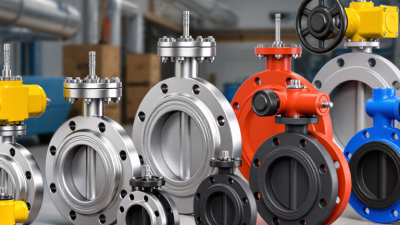
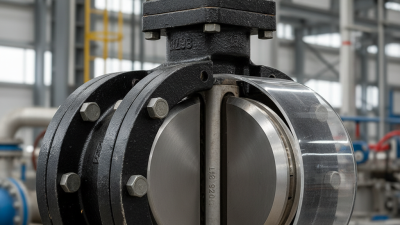
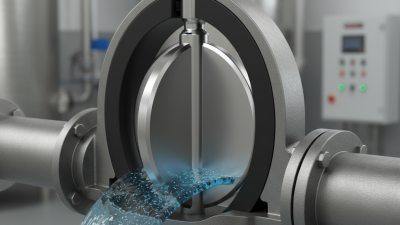
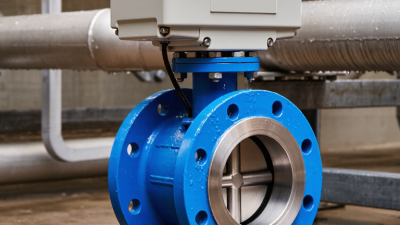
A ductile iron butterfly valve uses a strong body, rotating disc, stem, and sealing seat. The body connects to the pipeline, while the disc controls flow through a quarter-turn movement. Ductile iron provides good strength and impact resistance for water, air, and many industrial services. However, it is not suitable for every chemical or temperature. Seat material matters greatly. EPDM may suit water, while other fluids may require a different elastomer. The stem transfers handle or actuator movement to the disc. Poor alignment can create uneven sealing and early wear.
Tips: Check pressure, temperature, fluid chemistry, and pipe size before choosing. Inspect the seat and disc clearance during installation. A valve that looks strong can still fail when compatibility is ignored.
In practical selection, consider lug or wafer construction, connection standards, operating frequency, and maintenance access. The disc should move freely without touching nearby pipe surfaces. Allow space for the handle or actuator. I have seen installation plans overlook this small detail. It later made inspection difficult. Choose a valve with a pressure rating above the actual working condition, including possible surges. Corrosive surroundings may also require protective coatings. Selection is not always obvious. Recheck the fluid data before approval.
When selecting a ductile iron butterfly valve, size the opening for actual flow, not pipe diameter alone. Designers usually check flow velocity, pressure loss, and shutoff torque together. An oversized valve can control poorly near its seat. An undersized valve creates avoidable head loss. Use the project’s flow range, fluid temperature, and solids content. Then verify the manufacturer’s Cv data at the real operating position. Published data matters, but it is not always complete.
Pressure rating deserves equal attention. AWWA C504 lists waterworks pressure classes of 25, 75, 100, 150, and 250 psi. These equal approximately 172, 517, 689, 1,034, and 1,724 kPa. Select the class using maximum working pressure, surge, vacuum exposure, and temperature. Do not confuse a class rating with a test pressure. ISO 5208 leakage testing also helps confirm acceptable seat performance. A neat spreadsheet can still mislead.
Connection type affects installation and maintenance. Wafer, lug, and double-flanged designs suit different layouts. ISO 5752 provides face-to-face dimensions, while ASME B16.5 defines flange dimensions and pressure classes. Standards do not guarantee compatibility. Check flange drilling, gasket material, bolt clearance, and actuator space on the approved drawing. Also confirm end-of-line service and one-sided pressure capability. A field measurement may reveal a mismatch that a catalog table misses. That small check prevents an expensive rethink.
How to Choose a Ductile Iron Butterfly Valve?
Selecting suitable materials begins with the body. Ductile iron, specified under ISO 1083 or EN 1563, provides strong pressure resistance and practical cost control. However, it is not corrosion-proof. For buried or humid installations, use a tested fusion-bonded epoxy coating and verify coating thickness. The U.S. EPA’s 7th Drinking Water Infrastructure Needs Survey estimates a 20-year investment need of $625 billion. That figure highlights why long service life matters in water networks.
The disc must match the fluid, velocity, and operating temperature. Ductile iron suits clean water, while stainless steel offers better resistance to chlorides and aggressive treatment chemicals. Seat selection is equally important. EPDM commonly serves potable water, whereas NBR suits many oil-containing fluids. PTFE handles higher chemical demands, but its installation and compression limits require attention. AWWA C504 emphasizes pressure-rated butterfly valve performance, yet the standard cannot replace a media compatibility review.
The stem should resist torque, wear, and corrosion. Stainless steel grades such as 316 are often preferred in saline environments. Sealed stem designs also reduce moisture entry. Small details matter. I have seen otherwise sound valves fail because the seat was chosen by temperature alone. That approach is incomplete. Check pressure class, cycling frequency, water chemistry, coating records, and applicable NSF/ANSI/CAN 61 requirements. A datasheet can look convincing, but field conditions usually expose its weak assumptions.
Selecting suitable materials for the body, disc, seat, and stem requires matching temperature, media compatibility, corrosion resistance, and mechanical strength.
The chart shows typical upper continuous service-temperature guidance for commonly used valve materials. Actual limits depend on pressure, fluid concentration, cycling frequency, valve design, and applicable standards. The seat material often determines the practical temperature limit of the complete butterfly valve.
Matching a ductile iron butterfly valve to fluid conditions starts with the medium, not the pipe diameter. Water, seawater, wastewater, and abrasive slurry impose different demands. The 2024 UNESCO World Water Development Report notes that agriculture accounts for about 70% of global freshwater withdrawals. Irrigation systems therefore need reliable shutoff, frequent cycling, and seals compatible with treated or mildly contaminated water. For wastewater, inspect solids, hydrogen sulfide exposure, and potential scaling. A valve suitable for clean water may perform poorly in grit-filled flow.
Pressure and temperature also require careful verification. AWWA C504 defines pressure classes for rubber-seated butterfly valves, but the selected class must exceed normal pressure, surge pressure, and installation conditions. Do not match the valve only to the pump’s rated pressure.
The U.S. Environmental Protection Agency’s 7th Drinking Water Infrastructure Needs Survey estimates more than 625 billion dollars will be needed over 20 years. That figure makes lifecycle reliability more important than a low purchase price. Check torque, actuator duty, flange standard, and emergency operation before approval.
I have seen specifications miss water hammer.
That mistake is expensive.
Use corrosion-resistant shaft materials when chemistry demands them. Confirm lining compatibility from documented test data, not assumptions. ISO 5208 provides leakage-testing principles, yet field performance still depends on alignment, debris control, and commissioning. This is where selection becomes less tidy. A technically compliant valve can still fail when operators cycle it rarely, install it sideways, or ignore changing fluid conditions. The final choice should reflect actual service history, maintenance access, and credible test records.
Choosing a ductile iron butterfly valve starts with actuation, not catalog diameter. Confirm operating torque at maximum differential pressure, then add a documented safety margin. Electric, pneumatic, and manual actuators behave differently during emergency closure. A slow pneumatic closure can reduce water hammer. An oversized actuator may damage the seat. I have seen torque assumptions fail when rust or infrequent cycling was ignored.
Standards provide a useful checkpoint. EN 593 covers industrial butterfly valves, while AWWA C504 addresses rubber-seated valves for water systems. ISO 5208 defines pressure-testing and leakage-rate procedures. Ask for test records, not only compliance statements. The U.S. EPA’s 7th Drinking Water Infrastructure Needs Survey estimates $625 billion in investment needs over 20 years. That figure makes leakage control and maintainability practical priorities, not paperwork. Yet standards do not replace application judgment.
Maintenance planning should specify cycle frequency, stem inspection, bolt checks, and corrosion monitoring. Keep the valve accessible. Record torque changes after each service visit. For supplier quality, request ductile iron material certificates, EN 10204 3.1 documentation, coating records, and witnessed pressure tests. ISO 9001 certification supports process control, but it does not prove every valve is suitable. Supplier audits should examine traceability from casting heat to final inspection. Small details matter. A missing test certificate can delay commissioning and weaken later warranty decisions. My own caution is simple: a perfect checklist still misses poor site storage, misalignment, or an actuator installed under tension.
| Selection Dimension | What to Check | Typical / Relevant Requirements | Why It Matters |
|---|---|---|---|
| Valve Body Material | Confirm the ductile iron grade, casting quality, corrosion protection, and compatibility with the operating medium. | Common grades include EN-GJS-400-15 under EN 1563 and 65-45-12 ductile iron under ASTM A536. Epoxy coating is commonly used for external corrosion protection. | The body must withstand pressure, temperature, installation loads, and the chemical conditions of the service. |
| Disc and Shaft | Check disc material, shaft design, shaft-to-disc connection, and resistance to corrosion and wear. | Disc materials may include coated ductile iron, stainless steel, or other alloys selected for the fluid. Stainless or corrosion-resistant shafts are commonly specified for water service. | These components transfer actuator torque and are exposed to fluid contact, repeated cycling, and possible abrasion. |
| Seat and Liner | Verify elastomer type, temperature range, chemical compatibility, and whether the seat is replaceable. | EPDM is widely used for many water applications; NBR is often selected for certain oil-containing services. The actual selection must follow the fluid and temperature data. | The seat is critical for shut-off performance and may be the component most affected by temperature, chemicals, and contamination. |
| Pressure Rating | Match the pressure class to the maximum operating pressure, test pressure, temperature, and piping system. | Common designations include PN10, PN16, and Class 150. PN16 corresponds to a nominal pressure designation of 16 bar at reference conditions; the allowable working pressure can vary with temperature and design. | A nominal rating is not automatically the allowable pressure under every operating condition. |
| Connection and Dimensions | Check flange drilling, nominal diameter, face-to-face length, installation space, and pipe alignment. | EN 1092-2 is commonly referenced for cast iron flange dimensions; EN 558 and ISO 5752 cover face-to-face dimensions for many industrial valve configurations. | Correct dimensions prevent misalignment, leakage, excessive installation stress, and costly field modifications. |
| Manual Actuation | Determine whether the valve will use a lever, gearbox, chain wheel, or another manual arrangement. | Levers are generally used on smaller sizes or lower operating torques. Gearboxes are commonly used when valve torque, size, or access requirements make direct operation impractical. | The operating device must provide adequate torque without creating unsafe manual effort or damaging the valve. |
| Pneumatic Actuation | Check required torque, air pressure, fail position, operating frequency, solenoid voltage, and available instrument air quality. | Choose double-acting or spring-return operation according to the safety function. Actuator torque should cover breakaway, running, and seating torque with an appropriate engineering margin. | Insufficient torque can prevent full closure, while excessive torque can accelerate seat, shaft, or gearbox damage. |
| Electric Actuation | Confirm supply voltage, control mode, duty cycle, enclosure protection, travel limits, torque switches, and emergency operation requirements. | The actuator should be compatible with the valve mounting interface, commonly checked against ISO 5211. Select local, remote, modulating, or on-off control as required. | Electrical and mechanical compatibility is necessary for reliable commissioning and safe automated operation. |
| Required Standards | Ask for the exact standards applied to design, dimensions, pressure testing, marking, and actuation interfaces. | Relevant examples include EN 593 for industrial butterfly valves, API 609 for butterfly valves, ISO 5208 or EN 12266-1 for pressure testing, and ISO 5211 for actuator attachment. | A clear standard reference makes technical comparisons and acceptance criteria more objective. |
| Pressure and Functional Testing | Review shell test, seat leakage test, test medium, test duration, acceptance criteria, and recorded results. | Testing should follow the specified standard and valve pressure class. Test certificates should identify the valve, test pressure, duration, leakage result, and inspection date. | Documented testing confirms pressure integrity and shut-off performance before shipment. |
| Operating Conditions | Provide fluid type, solids content, temperature, pressure, flow direction, cycling frequency, and expected service life. | Water, wastewater, air, gas, chemicals, and abrasive slurries may require different seat, disc, coating, and actuator selections. | A valve suitable for clean water may not be suitable for abrasive, high-temperature, or chemically aggressive media. |
| Maintenance Access | Check whether the seat, shaft seals, gearbox, actuator, and fasteners can be inspected or replaced in the installed position. | Prefer documented maintenance procedures, available replacement parts, accessible adjustment points, and clearly identified wear components. | Good maintainability reduces downtime and supports predictable lifecycle costs. |
| Installation and Commissioning | Verify flange cleanliness, gasket selection, bolt tightening sequence, disc clearance, flow direction, and actuator limit settings. | The disc should be checked for unobstructed movement before pressurization. The actuator should be calibrated to the actual fully open and fully closed positions. | Incorrect installation can cause seat damage, high operating torque, leakage, or premature failure. |
| Supplier Quality System | Assess quality procedures, traceability, inspection equipment, nonconformance control, and final inspection records. | Request evidence of a documented quality management system, calibrated test equipment, material traceability, and batch-level inspection records. | A controlled production process is more reliable than relying only on a product brochure or visual inspection. |
| Material Traceability | Check heat numbers, casting records, material certificates, coating records, and the relationship between documents and valve identification. | Traceability should cover the body, disc, shaft, seat, pressure test, and final inspection where required by the purchase specification. | Traceable records support quality verification, regulatory compliance, and later failure investigation. |
| Documentation Package | Confirm the supplier can provide drawings, datasheets, installation instructions, certificates, test reports, and spare-parts information. | The documentation should state size, pressure rating, materials, standards, actuator details, coating system, test results, and serial or batch identification. | Complete documentation simplifies approval, installation, maintenance, and future replacement. |
| Supplier Technical Support | Evaluate response quality, engineering support, spare-parts availability, warranty terms, and after-sales service process. | A capable supplier should be able to review application data, calculate or confirm operating torque, clarify standards, and support commissioning issues. | Technical support can prevent selection errors and reduce the time required to resolve operating problems. |