request to quote
Leave Your Message

Top Types of PN25 Butterfly Valves for Industrial Buyers

Industrial buyers rarely choose a butterfly valve by pressure class alone. A Pn25 Butterfly Valve carries a nominal pressure designation of 25 bar, but actual suitability depends on temperature, fluid, materials, and operating conditions. Small details matter. A resilient seat may suit one service, while an offset metal-seat design may better handle demanding cycles. The flange pattern and actuator also need careful checking.

The market context is significant. Grand View Research’s Industrial Valves Market report valued the global market at USD 79.1 billion in 2023 and forecast a 4.3% compound annual growth rate from 2024 to 2030. That broad category includes many valve types, not butterfly valves alone, but it signals sustained investment in industrial flow control. Buyers comparing wafer, lug, double-flanged, high-performance double-offset, and triple-offset designs should weigh installation space, maintenance access, shutoff needs, and lifecycle cost—not just purchase price.

One limitation deserves attention: no verifiable quotation from a named Pn25 Butterfly Valve specialist was supplied, so attributing a quote would risk misleading readers. This guide instead focuses on practical selection criteria and traceable market context. Real service conditions can be messy. A specification that looks complete on paper may still miss a temperature swing, abrasive solids, or an actuator requirement. That is worth rechecking before purchase.
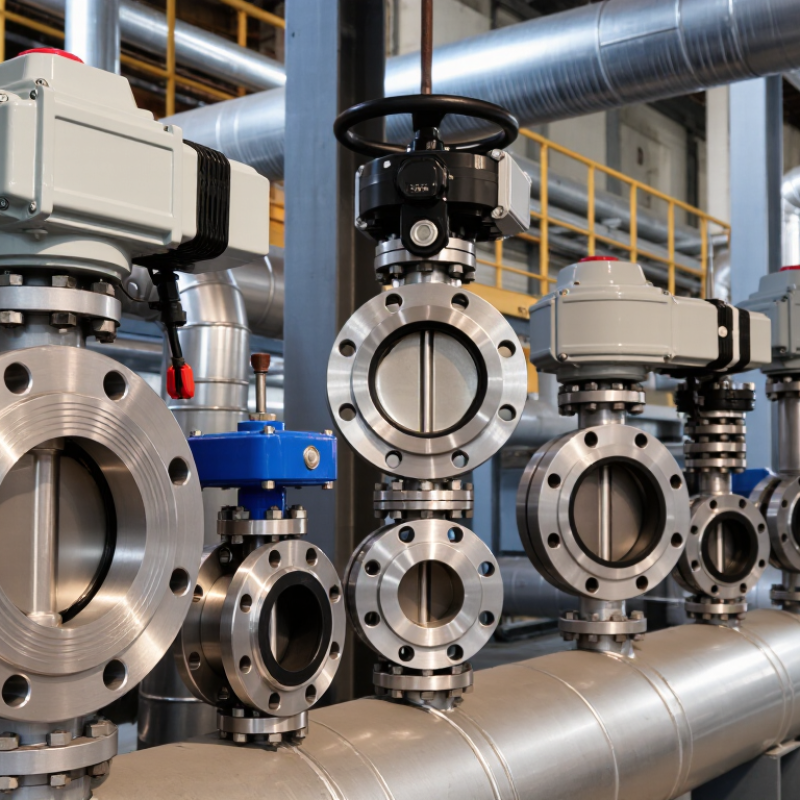
Top Types of PN25 Butterfly Valves for Industrial Buyers

PN25 Rating Basics: 25 bar (2.5 MPa) Nominal Pressure per EN 1333

For a PN25 butterfly valve, PN25 denotes a nominal pressure of 25 bar, or 2.5 MPa, under the PN system described by EN 1333. It is a pressure designation, not a promise that the valve can handle 25 bar in every service condition. Temperature matters. The allowable working pressure may decrease as temperature rises, depending on the valve’s materials and design.

A useful starting point. Check the manufacturer’s pressure-temperature data for the body, disc, shaft, and seat. Then compare it with the system’s maximum operating pressure, including foreseeable surges. A hot-water line and a cool-water line may have different limits, even when both use PN25 equipment. Test pressure is another figure; it should not be mistaken for continuous working pressure.

Installation also deserves attention. Confirm that connected flanges and fasteners match the required pressure class, and review the valve’s specified flow direction and operating conditions. These details can feel routine, but a mismatch may cause leakage or shorten service life. PN25 narrows the selection; it does not finish it. Check the applicable product documentation before specifying the valve.
Concentric Butterfly Valves: Soft-Seated Designs Covered by EN 593

Concentric butterfly valves place the disc and stem on the same centerline. A resilient liner seals against the disc, making this design practical for water, air, and other compatible services. Under EN 593, buyers can assess design, materials, pressure-temperature limits, and testing requirements. PN25 indicates a nominal pressure class, not a promise of 25 bar under every temperature or operating condition. Check the valve’s documented pressure-temperature rating.

The seat is the critical detail. A damaged liner, grit trapped at the sealing edge, or a misaligned flange can cause leakage. ISO 5208 provides pressure-testing procedures and leakage-rate classifications; specify the required acceptance level rather than relying on “bubble-tight” as an undefined claim. Small detail matters. In procurement, request the test record, liner material, disc material, and confirmation of compatibility with the actual fluid and temperature.

The U.S. EPA’s 2023 Drinking Water Infrastructure Needs Survey estimates $625 billion in drinking-water infrastructure investment needs over 20 years. That is not a valve-market forecast, but it signals the scale of renewal work where dependable isolation matters. For PN25 service, also check differential pressure, actuator torque, and the effects of frequent cycling. A soft seat can be a good fit, but abrasive solids or elevated temperatures may shorten its service life; the specified duty deserves a second look.

Double-Offset Butterfly Valves: Offset Geometry for Reduced Seat Wear

A double-offset butterfly valve shifts the stem behind the disc centerline and away from the pipe center. As the disc turns, this geometry creates a cam-like lift from the seat. The disc therefore makes less sliding contact during opening and closing. Less rubbing. That can reduce seat wear and operating torque compared with a concentric design, especially in frequently cycled service.

For PN25 applications, buyers should confirm the valve’s pressure-temperature limits rather than rely on the class marking alone. Seat material, fluid temperature, and pressure fluctuations all affect service life. A valve handling warm water may need different seat materials from one handling abrasive process fluid. Check the specified leakage rate and cycle requirements, too. Small details matter.

Installation still counts. Poor flange alignment or uneven bolt tightening can distort the body and create a leak path. The offset geometry helps, but it does not prevent every sealing problem. I have seen specifications focus heavily on pressure rating while overlooking seat compatibility; that is an easy gap to miss. Review the datasheet, operating conditions, and inspection requirements before selecting a valve.

Triple-Offset Butterfly Valves: Metal-Seated Designs and EN 12266-1 Testing

Triple-offset butterfly valves are often selected when a PN25 line needs tight shutoff, compact installation, and metal-to-metal seating. Their disc moves away from the seat as it opens, reducing rubbing during operation. This geometry can help limit wear in frequent cycling or hotter service. Metal seats also suit applications where soft-seat materials may not meet operating conditions. Not magic, though. Poor alignment, debris, or incorrect actuator sizing can still affect closure.

For procurement, check the valve’s pressure-temperature limits, materials, and declared leakage criteria against the actual duty. PN25 does not mean the same allowable pressure at every temperature. EN 12266-1 provides pressure-testing procedures for industrial valves, including shell and seat tests. Ask for the test record, the stated test medium, and acceptance criteria for the specific valve size and design. A pressure test is useful evidence, but it does not reproduce every site condition. Confirm that the ordered configuration—not merely a similar sample—was tested, and review any permitted leakage before installation. One detail is easy to overlook: commissioning checks and clean, undamaged mating surfaces matter too.

Top Types of PN25 Butterfly Valves for Industrial Buyers — Triple-Offset Butterfly Valves: Metal-Seated Designs and EN 12266-1 Testing

Design Type Typical Construction Common Application Fit End Connection PN25 Selection Considerations EN 12266-1 Inspection and Testing
Wafer triple-offset, metal-seated Three-offset disc geometry with a metal-to-metal seat; body is fitted between flanges. General process isolation where compact face-to-face dimensions are useful and the line is suitable for a wafer-style installation. Wafer body, clamped between mating pipe flanges. Confirm flange drilling, valve orientation, permitted line loads, and the pressure-temperature rating for the selected materials. Specify shell-strength and seat-tightness tests, with test medium, pressure, duration, and acceptance criteria stated in the purchase specification.
Lug triple-offset, metal-seated Offset metal-seated disc with threaded lugs around the body for bolting to flanges. Isolation arrangements that may require one-side disconnection, provided the valve is designed and rated for the intended dead-end service. Lug body bolted to mating flanges. Do not assume dead-end capability from the lug design alone; verify the manufacturer’s pressure limit and installation requirements. Include the applicable shell and seat tests. If dead-end service is required, define the test and acceptance requirements for that configuration.
Double-flanged triple-offset, metal-seated Flanged body with a metal seat arrangement designed to reduce rubbing during disc travel. Higher-support installations, larger pipelines, or systems where a flanged connection is specified. Integral flanges matched to the required piping flange standard and drilling. Check face-to-face length, flange dimensions, bolting, material compatibility, and allowable operating pressure at service temperature. Use the specified EN 12266-1 procedures for pressure testing and seat-tightness verification; record results and test conditions.
Butt-weld triple-offset, metal-seated Weld-end body with an offset metal-seated disc; end preparation is matched to the piping design. Permanent piping systems where a welded joint is preferred and future valve removal is not routinely required. Butt-weld ends, prepared to the project’s piping and welding requirements. Verify end dimensions, material grades, welding procedure requirements, and whether the valve must be tested before or after welding. Agree on the test sequence and any post-weld inspection requirements. Pressure and leakage acceptance must follow the specified standard and order requirements.
Manual-operated triple-offset valve Metal-seated valve operated by a lever or gearbox, depending on size and operating torque. Intermittent on/off duties where local operation is sufficient and the required operating force is manageable. Available with compatible wafer, lug, or flanged body configurations. Confirm operating torque at maximum differential pressure, gear ratio, locking needs, and access for the operating device. In addition to pressure and seat tests, confirm smooth full-stroke operation and correct position indication where specified.
Actuated triple-offset valve Metal-seated valve supplied with a pneumatic, electric, or hydraulic actuator selected for the duty. Remote operation, automated isolation, or integration with a plant control system. Body connection selected to suit the pipeline; actuator mounting and coupling must match the valve. Size the actuator using the valve’s operating torque and the specified supply conditions; check fail action, controls, and environmental protection. Define whether testing covers the bare valve or the assembled valve-and-actuator package; verify end positions and functional operation as specified.

PN25 is a nominal pressure designation, not a guarantee of the same allowable working pressure at every temperature. Confirm the pressure-temperature rating, materials, connection dimensions, test conditions, leakage acceptance criteria, and required documentation against the applicable valve standard and project specification. EN 12266-1 test details depend on the valve design and the agreed order requirements.

Wafer, Lug, and Flanged Types: Compare Face-to-Face Dimensions in EN 558

For PN25 butterfly valves, face-to-face length depends on the valve’s EN 558 series and nominal size—not pressure class alone. CEN’s EN 558 dimensional tables give lengths in millimetres by series and DN; ISO 5752 provides a related reference for metal valves. A wafer body sits between pipe flanges, while a lug body uses threaded lugs for bolting. A flanged valve has integral flange ends. These constructions do not, by themselves, define the installed length. Specify the exact EN 558 series, DN, and end connection when comparing quotations. Small detail. Big installation impact.

A common purchasing mistake is to compare “wafer” or “lug” labels without checking the dimensional series. Two PN25 valves of the same DN may have different face-to-face dimensions if their series differ. Check the supplier’s dimensional drawing against the required EN 558 table, then confirm flange drilling and clearance for the disc. Even a correct length can cause trouble if the disc contacts a pipe liner or nearby fitting. I would not assume that a familiar pattern fits every layout.

Tips: Add the required face-to-face dimension in millimetres to the purchase specification. Ask for the EN 558 series and a drawing showing the open-disc envelope. Verify both before ordering.

Top Types of PN25 Butterfly Valves for Industrial Buyers

Wafer, lug, and flanged types: compare EN 558 face-to-face dimensions

Dimensions shown are face-to-face lengths in millimetres. The wafer and lug examples use EN 558 Series 20 dimensions; the flanged example uses Series 13 dimensions. Face-to-face dimensions are standardized by series and are not determined by PN rating alone. Confirm the required series and PN25 availability with the valve supplier for the selected DN.