Top Tips for Choosing Ggg40 Butterfly Valve for Your Needs?
Choosing the right Ggg40 Butterfly Valve is crucial for various applications. This valve type is often used in industries such as water treatment, oil and gas, and chemical processing. With its unique design, the Ggg40 Butterfly Valve offers efficient performance and ease of use. However, selecting the best option can be overwhelming due to the wide range of products available.
Many factors influence your choice, including material, size, and pressure ratings. It's essential to understand your specific requirements and the environment where the valve will be used. Additionally, quality matters. Not all Ggg40 Butterfly Valves are created equal. Some may not meet industry standards, leading to potential failures. Investing time in research can pay off significantly.
Several manufacturers claim to offer premium products. However, it’s vital to verify their credibility. Look for certifications or industry experience. While you may feel tempted to choose based solely on price, remember that a lower cost may compromise reliability. Finding the right balance between cost and quality is key. Ultimately, your decision will impact the efficiency and safety of your operations.
Understanding GGG40 Butterfly Valves and Their Applications
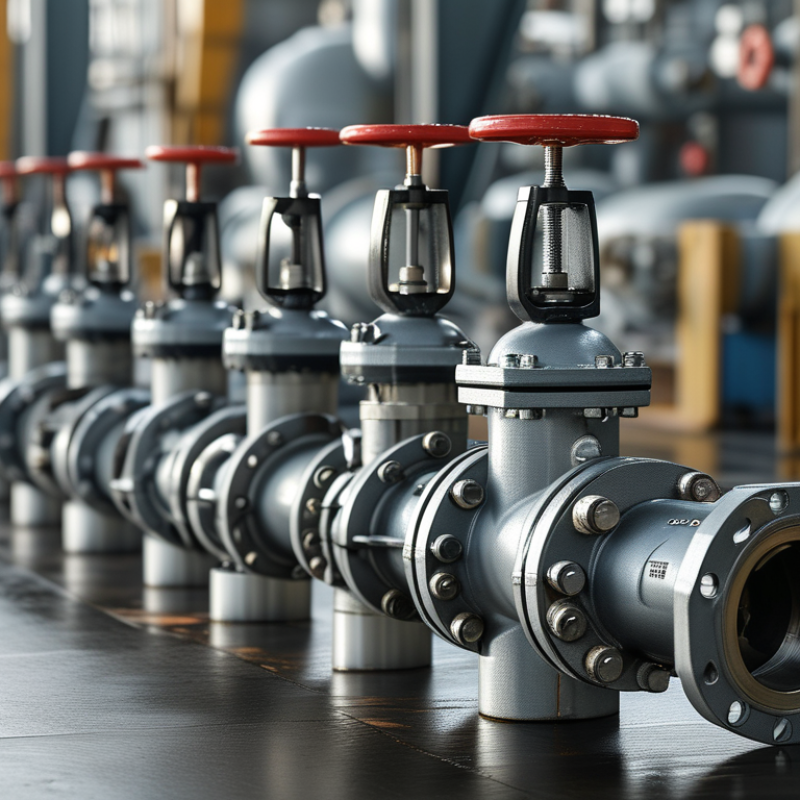
GGG40 butterfly valves are known for their robust construction and reliability. Made from ductile iron, GGG40 offers excellent corrosion resistance and strength. This material is ideal for various applications, including water treatment and chemical processing. The durability of GGG40 valves ensures a longer lifespan, reducing the frequency of replacements.
When considering their application, think about the operating conditions. These valves can handle high pressure and temperature variations. However, if used improperly, they may not perform well. It's essential to assess the medium being controlled, as corrosive substances can affect valve integrity. Compatibility is crucial for optimal performance.
Installation and maintenance are other factors to consider. Proper installation can prevent leaks and ensure functionality. Regular maintenance is important for extending the valve’s life. Neglecting these aspects may lead to costly repairs. Understanding the full range of GGG40 butterfly valves can guide you in making informed decisions for your specific needs.
Key Factors to Consider When Selecting a GGG40 Butterfly Valve
When selecting a GGG40 butterfly valve, several key factors deserve attention. Material selection is crucial. GGG40 refers to a specific grade of ductile iron, known for its strength and corrosion resistance. According to industry reports, this material can withstand pressures up to 16 bar, making it ideal for various applications. Additionally, GGG40 valves often feature improved wear resistance, extending their lifespan in harsh environments.
Size and design should be tailored to specific needs. The diameter of the valve impacts flow rates significantly. A report by the Flow Control Association highlights that a properly sized butterfly valve can enhance efficiency by 30% in fluid systems. The valve's sealing mechanism must be considered as well; reliable sealing directly impacts leak prevention and energy loss.
Installation and maintenance are vital aspects too. GGG40 valves may require specific tools and training for proper setup. Maintenance practices should be established, as neglect can lead to reduced performance over time. Regular inspections help identify wear and replacement needs. Addressing these factors can enhance overall system reliability and longevity.
Top Tips for Choosing GGG40 Butterfly Valve for Your Needs
| Factor |
Description |
Importance |
| Material |
GGG40 cast iron is known for its strength and resistance to wear. |
High |
| Size |
Choose the size based on the pipe diameter and flow requirements. |
Critical |
| Pressure Rating |
Ensure the valve can handle the maximum pressure in your system. |
High |
| Temperature Range |
Check the operating temperature to avoid material degradation. |
Important |
| Actuation Type |
Consider manual, electric, or pneumatic actuation based on usage. |
Moderate |
| End Connection Type |
Match the valve connection type with your pipeline system. |
High |
| Maintenance Requirements |
Assess ease of maintenance based on operational needs. |
Moderate |
Comparing Different Brands and Models of GGG40 Butterfly Valves
When selecting GGG40 butterfly valves, understanding brand and model differences is key. Various manufacturers offer distinct features that can impact performance. It's essential to compare materials, design, and durability. GGG40 refers to a specific ductile iron grade, known for its strength and corrosion resistance. Therefore, assessing how each brand utilizes this material is crucial.
Different valve designs can affect flow characteristics. Some models may have a more streamlined construction, reducing turbulence and pressure drop. Others might offer enhanced sealing features, which are vital for preventing leaks. Knowledge of these specifications can empower buyers to make the right choice.
Pricing can reflect the quality of design as well. Sometimes, a higher cost indicates better materials or innovative engineering. Yet, there are also budget-friendly options that perform adequately. Always consider long-term maintenance costs and warranty options. This approach can enhance reliability and reduce unexpected expenses.
Maintenance Tips to Ensure Longevity of GGG40 Butterfly Valves
When it comes to maintaining GGG40 butterfly valves, regular inspections are crucial. These valves, made from ductile iron, exhibit excellent corrosion resistance and strength. Industry reports indicate that proper maintenance can extend their service life significantly, achieving upwards of 20 years when cared for effectively. This longevity translates into reduced replacement costs and improved system reliability.
Routine checks should focus on the seals and actuation systems. Over time, seals can wear, leading to leaks. Monitoring these components ensures that issues are detected early. Additionally, lubricating moving parts can prevent wear and tear. A study by the Valve Manufacturers Association highlights that neglecting routine maintenance could reduce a valve's operational efficiency by as much as 30%. It's essential to strike a balance between maintenance frequency and cost, as excessive checks might not be justifiable.
Understanding the operational environment is also necessary. High temperatures or corrosive substances can adversely affect valve performance. Periodic assessment in these conditions can reveal hidden vulnerabilities. While many assume that ductile iron is impervious, regular evaluations might expose unexpected degradation, prompting preemptive actions. This proactive approach fortifies the system's integrity and ensures the butterfly valves perform optimally throughout their lifespan.
Top Tips for Choosing GGG40 Butterfly Valve for Your Needs
This bar chart represents the maintenance tips and their effectiveness scores for ensuring the longevity of GGG40 butterfly valves. Each maintenance practice is scored based on its importance and common effectiveness in prolonging valve lifespan.
Cost Considerations for GGG40 Butterfly Valves in Various Projects
When selecting GGG40 butterfly valves for different projects, cost considerations play a crucial role. These valves are known for their durability and resistance to harsh conditions, but prices can vary widely. Understanding the factors that influence the cost is essential. Material, design complexity, and size can all impact pricing significantly. For instance, larger valves designed for high-pressure applications typically command higher prices.
It's important to evaluate the project's specific requirements. Sometimes, a more expensive valve offers long-term savings. For example, robust designs can reduce maintenance costs over time. However, some projects may not require top-tier materials. In these cases, opting for standard valves may be more practical. This is where careful analysis comes into play.
Budgeting effectively requires a balanced approach. Contractors and project managers often face pressure to cut costs. Yet, sacrificing quality for a lower price can lead to issues down the line. It’s vital to weigh immediate expenses against potential future repair costs. Ensuring that the valve meets project specifications without overspending is a challenge that demands careful consideration.