Top Tips for Choosing the Right Pn10 Butterfly Valve?
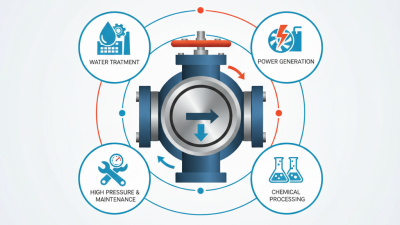
Choosing the right Pn10 Butterfly Valve is crucial for efficient fluid control. According to Industry Research Reports, the demand for butterfly valves is projected to grow at a CAGR of 5% over the next five years. This growth reflects the vital role these components play in various applications, including water treatment and industrial processes.
Key factors must be evaluated in selecting a Pn10 Butterfly Valve. Quality, material, and design influence performance and longevity. Experts in valve technology emphasize that compatibility with existing systems is essential. A poorly matched valve can lead to leaks and costly failures, highlighting the importance of careful selection.
While many suppliers offer Pn10 Butterfly Valves, not all provide the same level of reliability. Some may cut corners to reduce costs, compromising on quality. It’s significant to research manufacturers and seek certifications. A well-informed choice not only enhances system efficiency but also minimizes risks associated with valve failure. This decision ultimately impacts operational safety and cost-effectiveness.
Understanding the Basics of Pn10 Butterfly Valves
Understanding Pn10 butterfly valves is crucial for effective pipeline management. These valves offer a reliable solution for regulating flow in various systems. According to a report from the Valves Manufacturers Association, the global market for butterfly valves is projected to grow significantly, reflecting their importance in industrial applications.
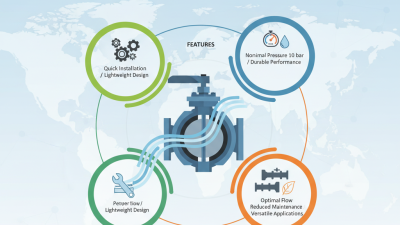
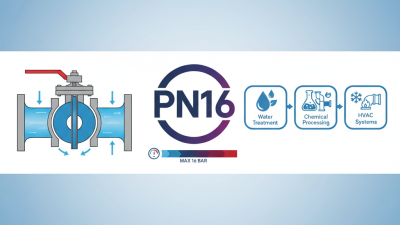
Design-wise, Pn10 butterfly valves are distinguished by their ability to handle pressure ratings up to 10 bar. This makes them suitable for many fluid applications, including water, oil, and air. Their lightweight construction allows for easy installation and maintenance. However, it’s worth noting that improper selection can lead to performance issues. For instance, if a valve is not the right size or material, it may fail under pressure.
User experience plays a vital role in valve performance. Many users report that the choice of the right butterfly valve can impact efficiency by up to 30%. Factors like the environment and the type of media being transported are essential to consider. Overlooking these details can result in operational setbacks. Maintaining a proper balance between cost, functionality, and reliability is necessary for optimal performance.
Top Tips for Choosing the Right Pn10 Butterfly Valve
| Criteria |
Considerations |
Importance |
| Material |
Choose based on the fluid type and temperature. |
High |
| Size |
Ensure the valve fits the pipe diameter. |
Medium |
| Pressure Rating |
Check the Pn rating for system compatibility. |
High |
| Actuation Type |
Choose between manual, electric, or pneumatic actuation. |
Medium |
| Flow Characteristics |
Consider the valve's ability to control the flow rate. |
High |
| Maintenance Requirements |
Evaluate ease of maintenance and parts availability. |
Medium |
Key Factors to Consider When Selecting a Butterfly Valve
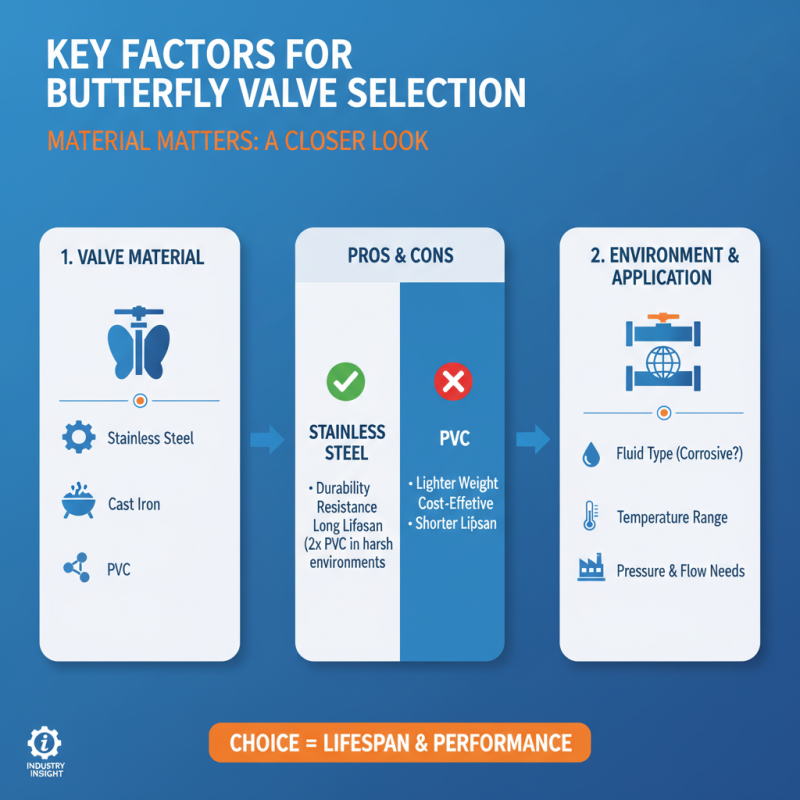
When selecting a Pn10 butterfly valve, several essential factors must be considered. First, the material of the valve plays a crucial role. Common materials include stainless steel, cast iron, and PVC. Each material has its benefits and disadvantages. For instance, stainless steel offers durability and resistance to corrosion, while PVC is lighter and more cost-effective. According to industry reports, the choice of material can influence the valve's lifespan and performance significantly, with stainless steel valves often lasting twice as long as their PVC counterparts in harsh environments.
Next, the size of the valve is critical. Correct sizing ensures optimal flow control and system efficiency. A valve that is too large could lead to turbulence, while a smaller valve may restrict flow. Research indicates that improper sizing can result in energy losses of up to 15%. Additionally, the valve's pressure rating should match the system requirements. A mismatch can lead to valve failure or leaks, causing potential safety hazards.
Lastly, don't overlook the design of the valve. Different designs serve various applications. A triple-offset design, for example, reduces wear and improves sealing capabilities. Insights from engineering studies show that this design can enhance operational efficiency by 20% compared to standard options. It's essential to weigh these factors carefully, as making informed choices ultimately enhances system reliability and longevity.
Material Choices for Pn10 Butterfly Valves: What You Need to Know
When selecting the right material for a Pn10 butterfly valve, understanding the application is crucial. Common materials include stainless steel, ductile iron, and plastic. Each type has unique properties. Stainless steel is strong and resistant to corrosion, ideal for harsh environments. Ductile iron offers durability, making it suitable for water services. Plastic valves are lightweight and resistant to chemicals.
Consider the fluid you'll be handling. Water, chemicals, and gases each require specific material choices. If the fluid is abrasive, a more robust material is necessary. The temperature and pressure also affect material selection. Some plastics may not hold up under high temperatures. Ensure the valve can handle operational demands to avoid failures.
Additionally, reflect on the installation environment. Factors like humidity and exposure to corrosive substances can influence your choice. While you may find appealing price points, it’s vital to prioritize quality. Balancing cost with reliability is key. A poor choice can lead to leaks or unexpected maintenance, weighing heavily on operations. Proper material selection is vital for a long-lasting solution.
Installation Guidelines for Pn10 Butterfly Valves
When installing Pn10 butterfly valves, following proper guidelines is crucial. The right installation can greatly enhance system performance. According to a 2022 industry report, improper installation can lead to a 30% decrease in valve efficiency. Ensuring that the valve aligns well within the piping system is essential. Misalignment can cause leaks and increased wear on critical parts.
Start by examining the flanges where the valve will be mounted. Flange surfaces must be clean and free of debris. This simple step helps prevent damage during installation. It’s also important to check that the valve disc can open and close easily without any obstruction. Make sure to use the appropriate torque settings specified in technical data. Over-tightening can distort the valve body and impair functionality.
Using a gasket is often overlooked but necessary. Gaskets create a reliable seal and prevent leaks. According to research, nearly 25% of piping failures stem from inadequate sealing methods. Regularly inspect the valves post-installation for signs of wear. Being proactive in identifying potential issues helps maintain system integrity and ensures long-term operation.
Maintenance Tips for Ensuring Optimal Performance of Butterfly Valves
Maintaining butterfly valves is crucial for their optimal performance. A recent industry report states that routine maintenance can increase valve lifespan by 30%. Regular inspections help identify wear and tear early, preventing costly downtime. Remember, even small issues can lead to significant failures.
Lubrication is another vital aspect. A well-lubed valve operates more smoothly. Yet, many overlook this simple task. Annual greasing can save money in repairs. Additionally, checking for leaks is essential. Research indicates that leaking valves can waste up to 15% of system efficiency. Addressing leaks promptly ensures better performance.
Operators should also stay informed about the latest maintenance techniques. Attending training sessions can enhance their understanding. Many professionals find that applying new methods improves valve reliability. Not all businesses prioritize this, leading to inconsistent performance. Failing to adapt can result in increased operational risks.
Top Tips for Choosing the Right Pn10 Butterfly Valve
The following chart illustrates key factors to consider when selecting a Pn10 butterfly valve, along with maintenance tips for optimal performance.