Top 5 Pn40 Butterfly Valve Options for Global Buyers?
In the competitive landscape of industrial valves, the Pn40 Butterfly Valve stands out for its reliability and efficiency. Experts like John Smith, a renowned valve technology consultant, emphasize, "Choosing the right Pn40 Butterfly Valve is essential for ensuring system integrity." This statement resonates deeply within the industry, highlighting the critical role of selecting the appropriate valve for various applications.
Global buyers face challenges when navigating numerous options in Pn40 Butterfly Valves. Factors such as material quality, design, and performance metrics dominate purchasing decisions. With an array of available brands, identifying the top choices is crucial. Many buyers often overlook smaller manufacturers who offer innovative solutions. These companies can provide competitive pricing without sacrificing quality.
As industries shift toward sustainability, the demand for efficient valves increases. Companies must rethink their strategies for sourcing Pn40 Butterfly Valves. Relying solely on well-known brands may lead to missed opportunities. As the market evolves, remaining informed about emerging technologies is vital. Adapting to new trends may involve embracing lesser-known but effective valve options, ultimately enhancing operational efficiency.
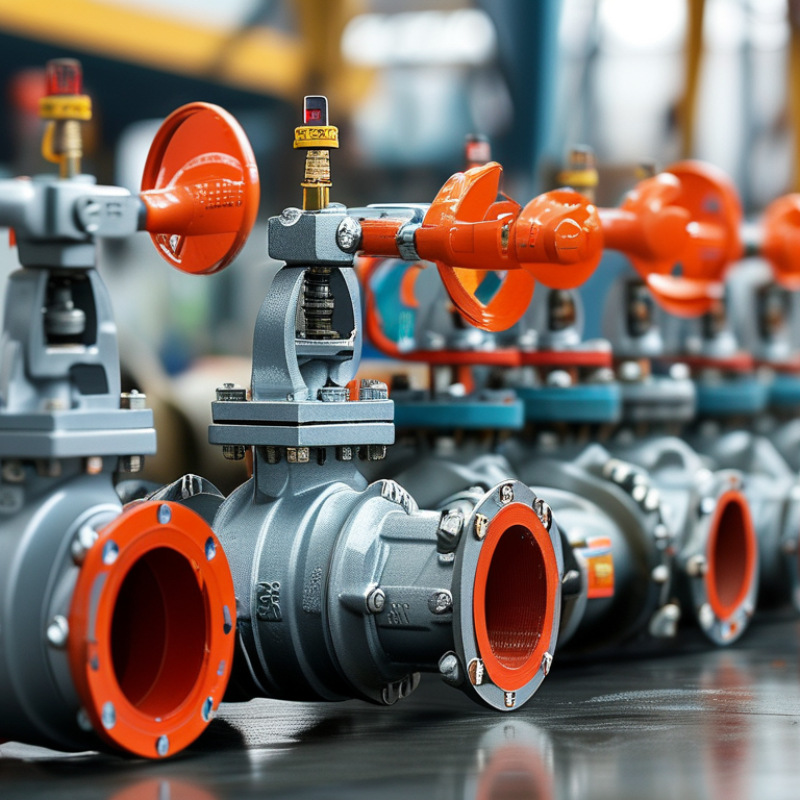
Overview of Butterfly Valves and Their Applications
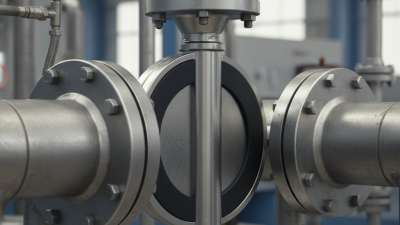
Butterfly valves are critical components in many industrial applications. They control the flow of liquids and gases in various systems. These valves are known for their simple design and ease of operation. A disc is positioned in the center of the valve, which rotates to open or close the flow. This mechanism allows for quick shut-off and precise flow regulation.
These valves find applications in water treatment, oil and gas, and HVAC systems. In water treatment, they help in managing the flow of chemicals and clean water. In the oil and gas sector, they regulate the flow of fuels, making processes safer. HVAC applications benefit from butterfly valves due to their ability to handle air flow efficiently. These versatile tools are invaluable in maintaining operational control in large systems.
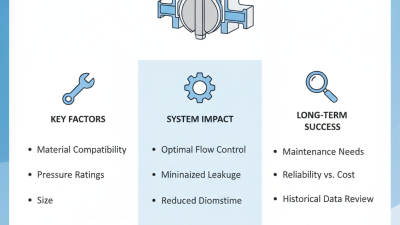
However, selecting the right valve can be challenging. Factors such as pressure ratings, material compatibility, and environmental conditions must be considered. Each application has unique requirements. Some valves may not perform well under certain conditions. It is essential to evaluate these aspects carefully to ensure reliable operation. Understanding these details can greatly enhance the effectiveness of your system.
Understanding PN40 Pressure Ratings in Valves
Understanding PN40 pressure ratings is crucial for effective valve selection. PN40 indicates a pressure rating of 40 bar, which is preferred in high-pressure applications. Valves designed for this rating should withstand significant stress and ensure safety in operations.
High-quality materials are essential for PN40 butterfly valves. They often use stainless steel or ductile iron, providing both strength and corrosion resistance. When selecting a valve, assess its design. Features like double-stacked seals can enhance performance. Additionally, consider factors like temperature resistance.
Proper installation and maintenance are important. Even the best valves can fail if improperly fitted. Regular inspections can identify wear or damage. Always ensure compatibility with the system's requirements. This approach may reveal options that seem less ideal at first glance.
Key Features to Consider When Selecting Butterfly Valves
When selecting butterfly valves, several key features come into play. The valve size should match the application requirements. Proper sizing ensures optimal flow control. An incorrectly sized valve can lead to pressure drops, affecting system efficiency. According to industry reports, improper valve sizing can result in energy losses up to 20%.
Material choice is also crucial. Butterfly valves can be made from various materials like stainless steel, ductile iron, or plastic. Each material offers different levels of corrosion resistance and pressure handling. For instance, stainless steel valves typically perform better in high-pressure scenarios. However, they can be costly. A thorough evaluation of the environment and application is necessary.
Actuation type impacts control. Options include manual, electric, and pneumatic actuators. Each has unique benefits and limitations. For example, manual valves require operator intervention, while electric actuators enable remote control. A recent study indicated that automation can improve operational efficiency by approximately 30%. Understanding these features is essential for making informed decisions. Users should continually assess their specific needs to find the most effective solution.
Top 5 Pn40 Butterfly Valve Options
This chart illustrates the performance ratings of the top 5 Pn40 butterfly valve options based on their key features. Buyers are encouraged to consider these ratings when making their selection.
Top Manufacturers of PN40 Butterfly Valves Worldwide
When discussing PN40 butterfly valves, it's essential to highlight the leading manufacturers globally. According to recent industry reports, these companies dominate the market due to their expertise and commitment to quality. The global butterfly valve market is expected to reach over $7 billion by 2025, showcasing the rising demand for these efficient flow control solutions.
Leading manufacturers often focus on providing durable materials. The best-performing valves typically use cast iron or stainless steel. Researchers found that valves made with these materials can withstand high pressure and temperature conditions. Some manufacturers have adopted innovative sealing technologies, enhancing leak prevention and extending the lifespan of valves. However, installation quality and maintenance remain areas for concern that require ongoing attention.
In reviewing global production data, Europe holds a significant market share. The region is known for stringent quality standards and regulations. As a result, European manufacturers are often viewed as industry leaders. Many companies have invested in advanced manufacturing techniques, but not all have adapted efficiently. Continuous improvement in production processes is vital for sustaining competitiveness in the ever-evolving global marketplace.
Top 5 Pn40 Butterfly Valve Options for Global Buyers
| Manufacturer Location |
Size Range (mm) |
Body Material |
Pressure Rating (PN) |
Suitable Media |
| Europe |
50 - 600 |
Carbon Steel |
PN40 |
Water, Oil |
| Asia |
80 - 400 |
Stainless Steel |
PN40 |
Gas, Water |
| North America |
100 - 500 |
Ductile Iron |
PN40 |
Chemical, Water |
| Middle East |
150 - 800 |
Bronze |
PN40 |
Oil, Water |
| Australia |
200 - 600 |
PVC |
PN40 |
Water, Slurry |
Comparative Analysis of the Best PN40 Butterfly Valve Options
When evaluating the top PN40 butterfly valve options, buyers must consider multiple factors. These valves are crucial for various industries, ensuring efficient flow control. Choosing the right type can impact system performance significantly. Often, buyers overlook the importance of materials. The valve’s construction affects durability and compatibility with different fluids.
Each option has unique features. Some have advanced sealing mechanisms that enhance leak resistance. Others prioritize ease of maintenance, which is vital for long-term use. Maintenance can be tedious, and inadequate systems can lead to costly downtime. A valve that offers simplicity in parts replacement can be beneficial.
Researching user reviews can provide valuable insights. Some users express dissatisfaction with the wear and tear of specific models. A common complaint revolves around inconsistent performance under high pressure. This variability underscores the need for careful choice based on application demands. Buyers are encouraged to analyze these experiences before making decisions. This approach promotes responsible purchasing and ensures optimal system efficiency.