What is Wras Butterfly Valve and How Does it Work?
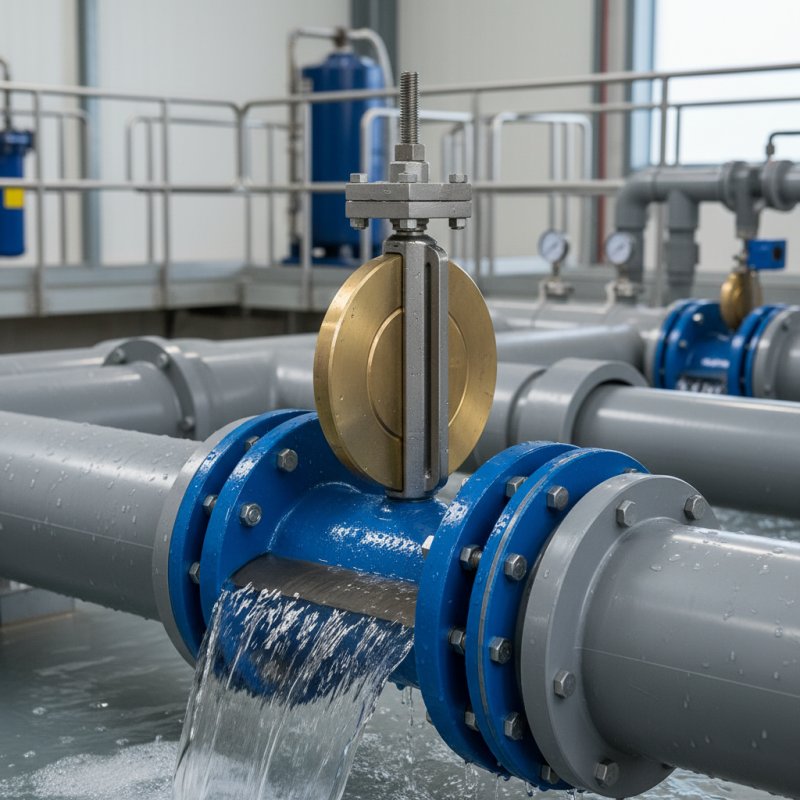
The WRAS Butterfly Valve is a critical component in many water and wastewater systems. As explained by industry expert John Smith, “The WRAS Butterfly Valve ensures effective flow control with minimal pressure loss.” This statement emphasizes its importance and efficiency in various applications.
WRAS Butterfly Valves operate through a simple yet effective mechanism. The valve's disc rotates to open or close the flow path. This design provides an effective solution for various flow requirements. However, installation and maintenance can sometimes pose challenges. Proper understanding is essential for optimal performance.
While WRAS Butterfly Valves are efficient, they still require scrutiny. Users must ensure that the valves meet specific standards. Over time, operational inefficiencies can occur if neglected. Regular checks can prevent costly issues down the line. A proactive approach is vital for reliable performance.
What is a Wras Butterfly Valve?
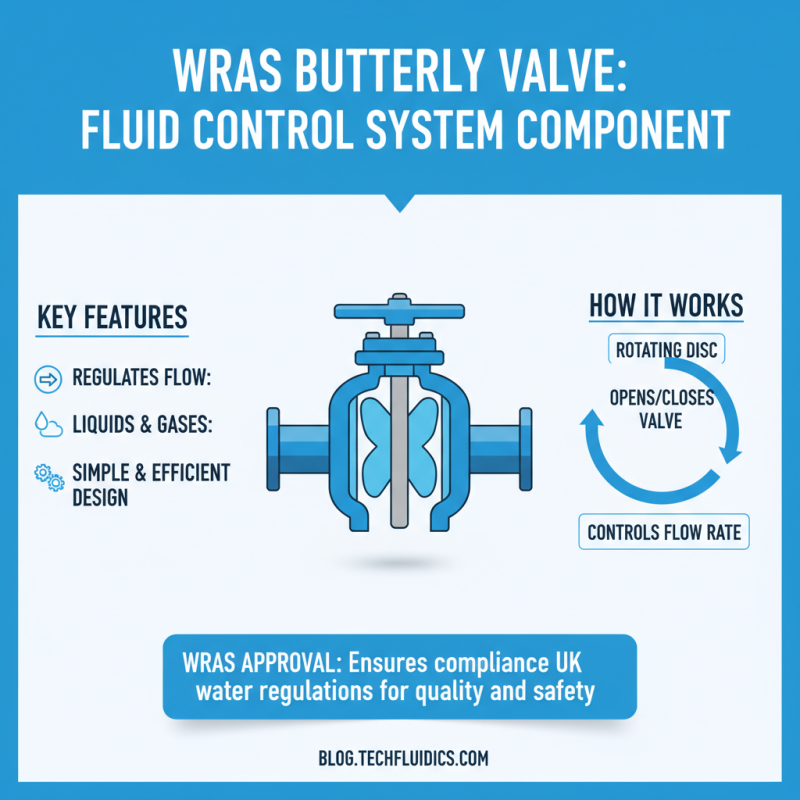
A WRAS butterfly valve is a crucial component in fluid control systems. It is designed to regulate the flow of liquids and gases through pipes. The name "butterfly" comes from the disc element that rotates within the valve body, much like a butterfly's wings. These valves are particularly favored for their simplicity and efficiency.
According to industry reports, the global butterfly valve market was valued at approximately $3 billion in 2022. The demand is projected to grow by 5.2% annually. This growth is driven by the increasing need for efficient fluid management in various sectors, including water treatment and chemical processing. When properly installed, a WRAS butterfly valve can achieve a flow coefficient (Cv) of up to 500, indicating excellent flow performance.
However, not all installations are flawless. Misalignment during installation can lead to operational issues. Moreover, improper maintenance may result in leaks, which pose safety risks and environmental concerns. Statistical data suggests that 10-15% of valve failures are due to inadequate care. Addressing these challenges is crucial for ensuring the longevity and reliability of WRAS butterfly valves in any application.
Key Features and Specifications of Wras Butterfly Valves
Wras butterfly valves are essential components in fluid control systems. They offer a simple and efficient way to manage flow. These valves consist of a circular disc that rotates to open or close the flow. Their lightweight design makes them easy to install and maintain. The construction typically includes durable materials that resist wear and corrosion. This feature extends their lifespan, but improper installation can lead to frequent failures.
One of the notable specifications is their versatility. They can be used for various applications, from water supply to industrial processes. They have a low torque requirement, making them energy-efficient. However, users must be careful about sizing. An incorrectly sized valve can result in poor flow characteristics. This can lead to unexpected pressure drops or inefficiencies in the system.
Another key feature is their ease of operation. Most models are designed for manual or automated control. A simple turn is all it takes to adjust the flow. Yet, regular maintenance checks are essential to ensure proper function. Neglecting this can result in jammed valves or leaks. Attention to detail in installation and operation is crucial for optimal performance.
Wras Butterfly Valve: Key Features and Specifications
This chart illustrates the various key features and specifications of Wras Butterfly Valves categorized by their diameter sizes and their respective flow capacities. The values represent an estimated flow capacity in liters per minute (L/min) based on standard specifications.
Understanding the Operating Mechanism of Wras Butterfly Valves
Wras butterfly valves are vital in controlling fluid flow. They have a simple yet effective design. The valve consists of a circular disc, which pivots around a central axis. When the valve is closed, the disc blocks the flow. The design allows for quick operation, ensuring efficiency in various systems.
The operating mechanism is straightforward. When the handle is turned, the disc rotates. A quarter turn can fully open or close the valve. This means less effort is needed to control the flow compared to other types of valves. Proper installation is crucial for optimal performance. A poorly installed valve may leak or be difficult to operate.
Wras butterfly valves also need regular maintenance. Dirt and debris can affect their performance. Performing checks periodically can prevent issues down the line. An overlooked valve can lead to malfunctions. Understanding this simple mechanism helps in making informed decisions for fluid control systems.
Applications of Wras Butterfly Valves in Various Industries
Wras butterfly valves are widely used in various industries. Their design allows for effective flow regulation. These valves can be found in water treatment plants, oil and gas systems, and food processing facilities. In each of these applications, the valves play a crucial role. They help control water flow and ensure safety.
In water treatment, these valves manage the intake and discharge of water. They offer excellent sealing capabilities. However, they can face issues like wear and tear over time. In oil and gas industries, the valves must withstand high pressures. This requires careful monitoring and regular maintenance. It’s easy to overlook, but neglecting small issues can lead to significant failures.
Food processing relies on hygiene. Wras butterfly valves are designed to meet these standards, but there are always risks. Any contamination can harm health. Regular inspections are essential to mitigate these risks. Industries must remain vigilant. If not, small oversights can result in costly errors.
Benefits and Limitations of Using Wras Butterfly Valves
Wras butterfly valves are known for their efficient flow control in various systems. They are popular in
water treatment, HVAC, and industrial applications. Their design features a circular disc that rotates on a shaft.
This mechanism allows quick opening and closing actions. While these valves offer
significant advantages, there are notable limitations to consider.
One key benefit of Wras butterfly valves is their lightweight construction. According to industry reports,
they can weigh 50% less than comparable valve types. This feature simplifies
installation and reduces shipping costs. Furthermore, these valves provide a low-pressure drop, which enhances system
efficiency. However, they may not be suitable for highly viscous fluids. The flow restrictions in such systems can
lead to operational inefficiencies.
Another point to reflect on is the longevity of seal materials.
Some seal options can degrade over time, particularly in corrosive environments. Industry studies show that
valves with advanced seal technologies exhibit a lifespan reduction of up to 15% when exposed to
harsh conditions. This requires regular maintenance checks and potential
replacements, which adds to operational costs. A balance between benefits and limitations
is essential for optimal use.