



Y Type Strainer: Working Principle and Key Advantages
When it comes to keeping a piping system clean, reliable, and free from unwanted debris, the Y type strainer is one of the most widely used solutions. Simple in design yet highly effective in performance, it plays a crucial role in protecting downstream equipment, reducing maintenance costs, and ensuring smooth operation across industries like chemical processing, oil and gas, pharmaceuticals, water treatment, and even HVAC systems in residential buildings.
In this article, We’ll take a deep dive into the working principle of Y type strainers and explore their advantages, showing why they have become such an indispensable component in modern fluid-handling systems.
What Is a Y Type Strainer?
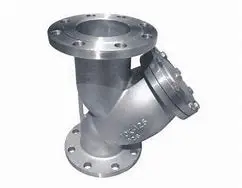
A Y type strainer, sometimes called a Y strainer, is a mechanical device installed in pipelines to filter out solid particles and other impurities from liquids or gases. Its name comes from the distinct “Y” shaped body design, where the main pipeline continues in one direction while the strainer basket is angled off the side.
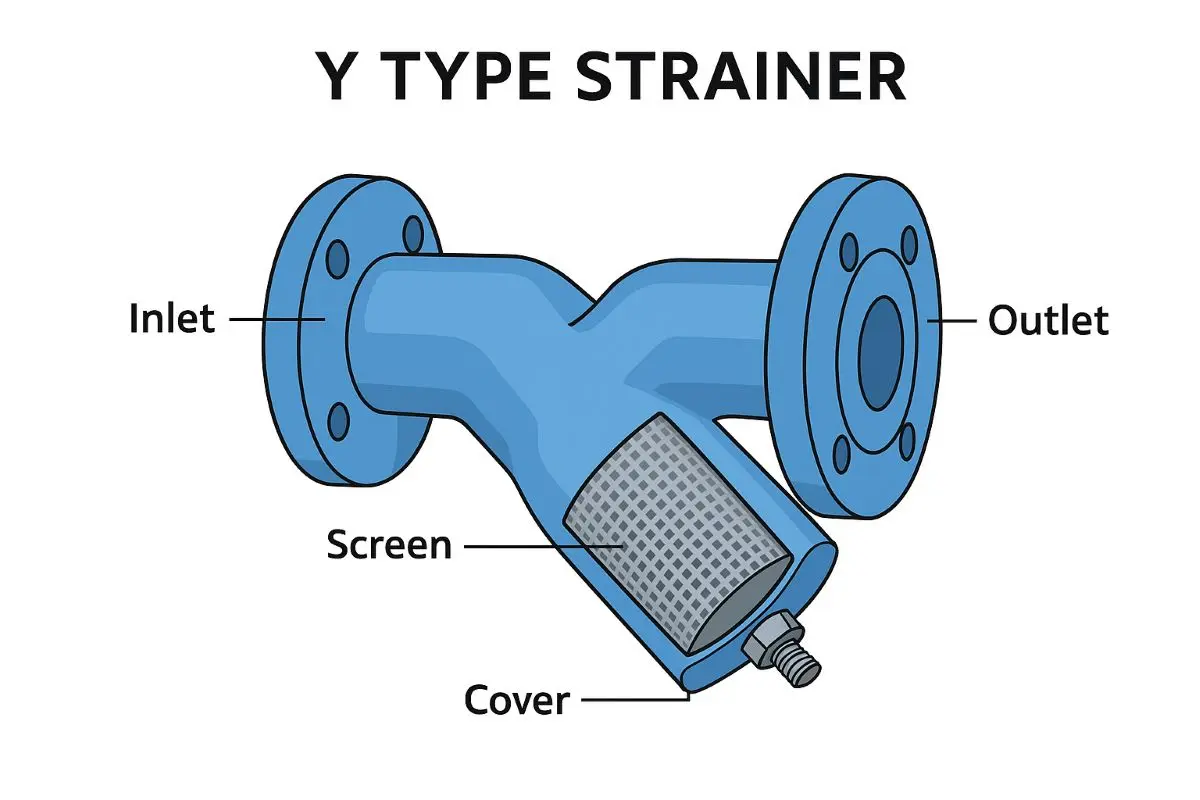
The device typically consists of:
Body – made of carbon steel, stainless steel, or other corrosion-resistant materials.
Screen or mesh (the filter element)– the heart of the strainer, usually a perforated metal mesh, wire screen, or sometimes synthetic material.
Cover or cap – provides access to the filter element for cleaning.
Bolts and gaskets – ensure the filter is tightly sealed during operation.
The combination of these parts creates a compact yet efficient unit that prevents unwanted particles from entering pumps, compressors, valves, or other sensitive downstream equipment.
How Does a Y Type Strainer Work?
The working principle of a Y type strainer is straightforward, but highly effective
Fluid entry – Liquid or gas flows into the strainer through the inlet
Filtration process – As the fluid passes through the filter screen, solid particles and debris are trapped.
Clean fluid exit– Only purified fluid flows out through the outlet, continuing down the pipeline.
The process relies on two forces:
Flow dynamics – The angled chamber reduces flow velocity, allowing heavier particles to settle.
Gravity– Larger debris falls into the “pocket” of the Y chamber, while smaller particles are caught by the mesh.
Over time, particles accumulate inside the filter element, which leads to higher flow resistance. When the differential pressure becomes significant, the filter requires cleaning or replacement. Fortunately, Y strainers are designed for quick disassembly, making maintenance simple and efficient.
Why Screen Size Matters
One of the most important features of a Y type strainer is its filter mesh. Screens come in various sizes, defined by mesh count (number of openings per inch) or perforation size.
Large openings → capture bigger particles, minimize pressure drop.
Fine mesh → trap smaller particles, improve fluid purity, but may clog faster.
Choosing the right mesh size depends on the specific application. For example:
A water treatment plant may use fine mesh to remove sand or sediment.
An oil refinery might opt for coarser mesh to catch scale, rust, or larger debris.
By tailoring the screen size to the system’s needs, operators can strike the right balance between efficiency and maintenance frequency.
Key Advantages of Y Type Strainers
Now that we understand how they work, let’s explore why Y strainers are so popular in industrial and commercial piping systems.
1.Simple Structure
The Y type strainer has a very straightforward design: an inlet, outlet, and angled filter basket. This simplicity makes it easy to install, operate, and maintain, even in complex systems
2.High Filtration Efficiency
With interchangeable mesh sizes, Y strainers can handle particles of different diameters, from coarse solids to fine sediments. This flexibility allows them to adapt to a wide range of fluids, including water, oil, steam, and even corrosive chemicals.
3.High Pressure Resistance
Unlike some other strainers, Y strainers are suitable for high-pressure environments. Their robust construction enables them to withstand harsh operating conditions without losing integrity.
4.Easy Maintenance
The filter basket can be removed for cleaning without dismantling the entire unit. This feature reduces downtime, saves labor costs, and ensures long-term stability in operation.
5.Wide Range of Applications
Y strainers are versatile enough to be used in:
Chemical industry – protecting heat exchangers, pumps, and reactors.
Oil & gas pipelines – preventing scale or sand from damaging compressors.
Pharmaceutical manufacturing – ensuring product purity by removing contaminants.
Water treatment – filtering suspended solids to improve water quality.
HVAC systems – protecting chillers, boilers, and pumps in residential and commercial buildings.
Practical Considerations When Using Y Type Strainers
While Y strainers are highly reliable, proper use and maintenance are essential for maximizing their performance.
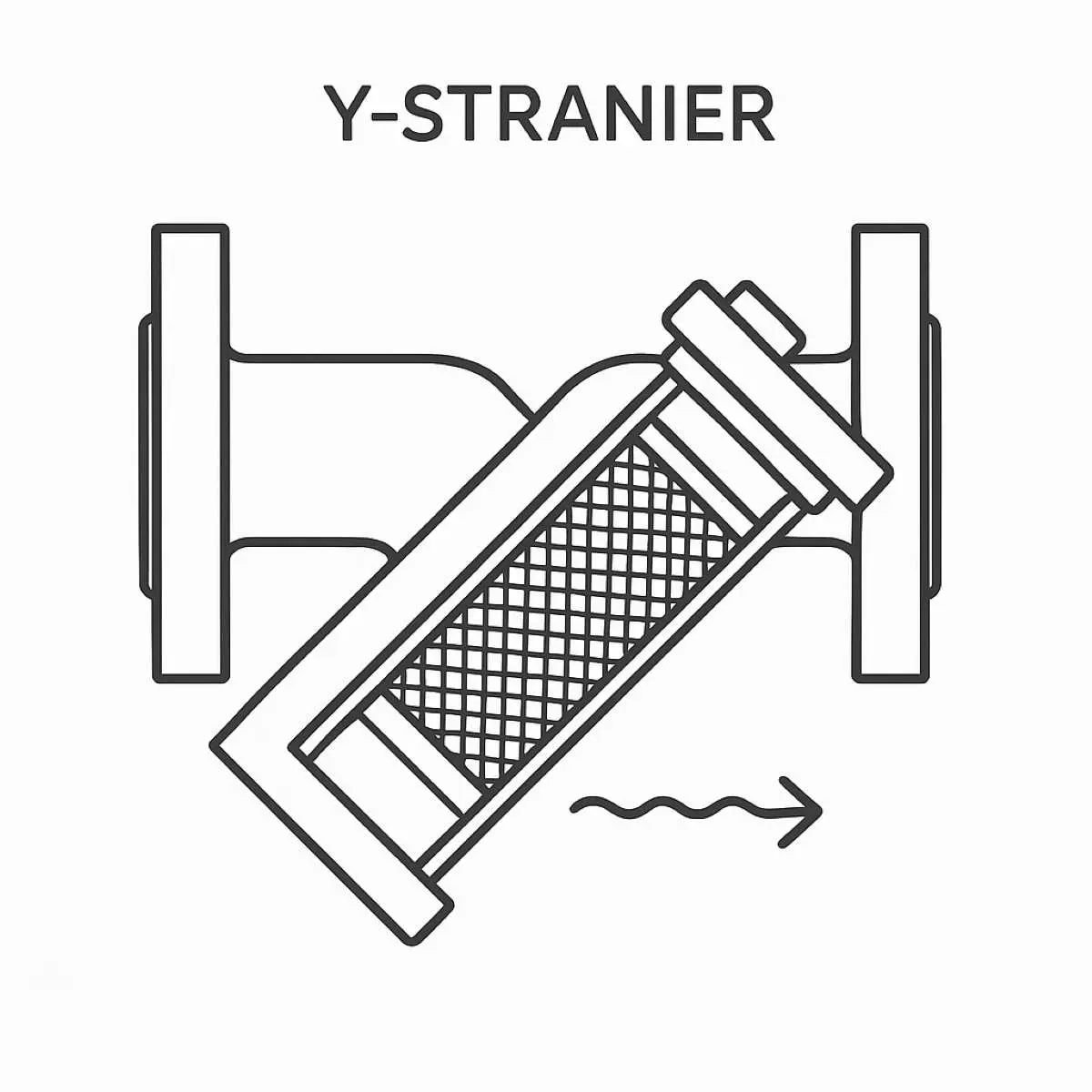
Installation position matters – In liquid systems, they are usually installed horizontally, with the filter pocket pointing downwards to collect debris. In gas systems, they may be installed vertically.
Regular cleaning- Periodic inspection and cleaning of the screen prevents clogging and maintains smooth flow.
Pressure drop monitoring – A sudden increase in pressure drop indicates that the strainer is clogged and needs maintenance.
Correct sizing- Choosing the right strainer size and mesh specification is critical for optimal results.
Y Type Strainer vs. Other Strainers
You may wonder, why choose a Y type strainer over other options like Basket Strainers or T strainers?
Y strainer – compact, cost-effective, suitable for both high and low flow rates, ideal for continuous operation.
Basket Strainer– larger in size, handles higher flow volumes, better for applications requiring infrequent cleaning.
T strainer– more specialized, often used in large-scale industrial applications.
For most general purposes, especially where space and budget are limited, the Y type strainer strikes the best balance.
Conclusion
The Y type strainer is more than just a simple filter—it’s a guardian of your piping system. By removing unwanted particles, it protects downstream equipment, improves system reliability, reduces maintenance costs, and enhances overall safety.
Its simple structure, high efficiency, pressure resistance, and wide applicability make it an irreplaceable part of both industrial and residential setups. Whether you’re managing a high-pressure oil pipeline, a pharmaceutical plant, or even a household heating system, the Y type strainer provides a cost-effective and efficient solution.
With proper selection, installation, and maintenance, this small device delivers significant long-term benefits, ensuring that fluid systems continue to run smoothly for years to come.